Water-Main Breaks Across Cary and Raleigh Highlight Aging Pipes, Funding Needs
Frigid weather and shifting soils caused water-main breaks in Cary and Raleigh, leaving about 120 homes without water and spotlighting aging pipes and funding shortfalls.
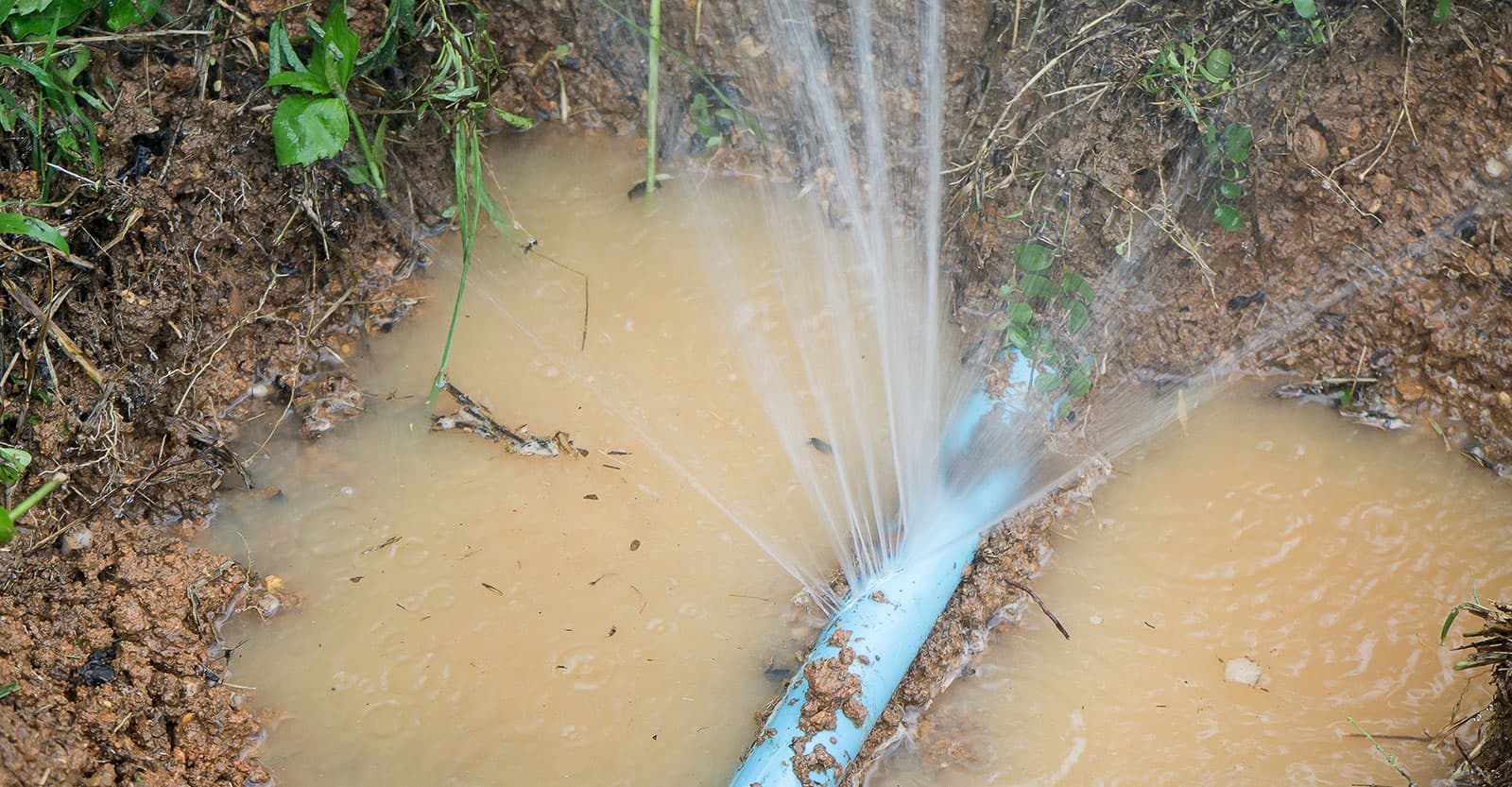
Frigid temperatures and shifting soils strained aging water infrastructure across the Triangle, producing multiple water-main breaks that left roughly 120 Cary homes without water while crews worked to repair lines. Cary utilities reported two breaks on Northwest Cary Parkway, and officials said the incidents were likely tied to aging pipes, ground movement and long-term corrosion.
The Cary breaks fit into a broader regional pattern. Raleigh officials have reported an uptick in water-main failures since 2019 and say proactive pipeline replacement carries steep costs, forcing local governments to weigh competing priorities as they plan long-term investments. Many distribution mains installed in the 1970s through the 1990s are currently under review for replacement, creating a multidecade backlog of work across Wake County municipalities.
For residents the consequences are immediate. Service outages disrupt daily routines, complicate heating and hygiene during subzero weather and increase reliance on emergency crews. Utility crews typically isolate and repair ruptured mains as quickly as conditions allow, but the repairs can take hours to complete and may leave neighborhoods without water while work is underway.
Local officials have emphasized basic winter plumbing precautions for homeowners. Open cabinet doors beneath sinks to let warm air circulate around plumbing and run a pencil-thin drip of water from faucets to reduce the risk of freezing in exposed pipes. Those simple steps can prevent additional household emergencies while crews focus on main-line repairs.

Municipalities are making capital investments to replace priority sections of pipe, but officials stress that comprehensive renewal is costly. Decisions about which corridors to replace first tend to reflect a mix of break history, pipe age, material type and the potential public-health or economic impacts of failure. That means some neighborhoods see upgrades earlier, while others remain vulnerable until funding and scheduling align.
The pattern of breaks during cold snaps also highlights an equity question for Wake County communities. Systems built to serve past waves of growth are now reaching the end of their service lives, and replacing them requires sustained funding streams and political choices about rates, bonds and capital budgets. Officials are likely to face renewed pressure to accelerate replacement plans if cold-weather breaks continue.
For now, residents should monitor municipal alerts, follow winter plumbing guidance and expect crews to continue prioritizing emergency repairs and targeted pipe replacements. The recent string of breaks underscores a simple reality for the Triangle: maintaining decades-old water systems is expensive and complex, and resolving it will take long-term planning and steady investment.
Sources:
Know something we missed? Have a correction or additional information?
Submit a Tip