Wall Street futures slip as Powell probe and Trump credit cap rattle financials
U.S. equity futures fell and financial stocks weakened as investors absorbed a DOJ criminal probe into Fed Chair Powell and President Trump’s credit proposals. Markets awaited inflation data and bank earnings.
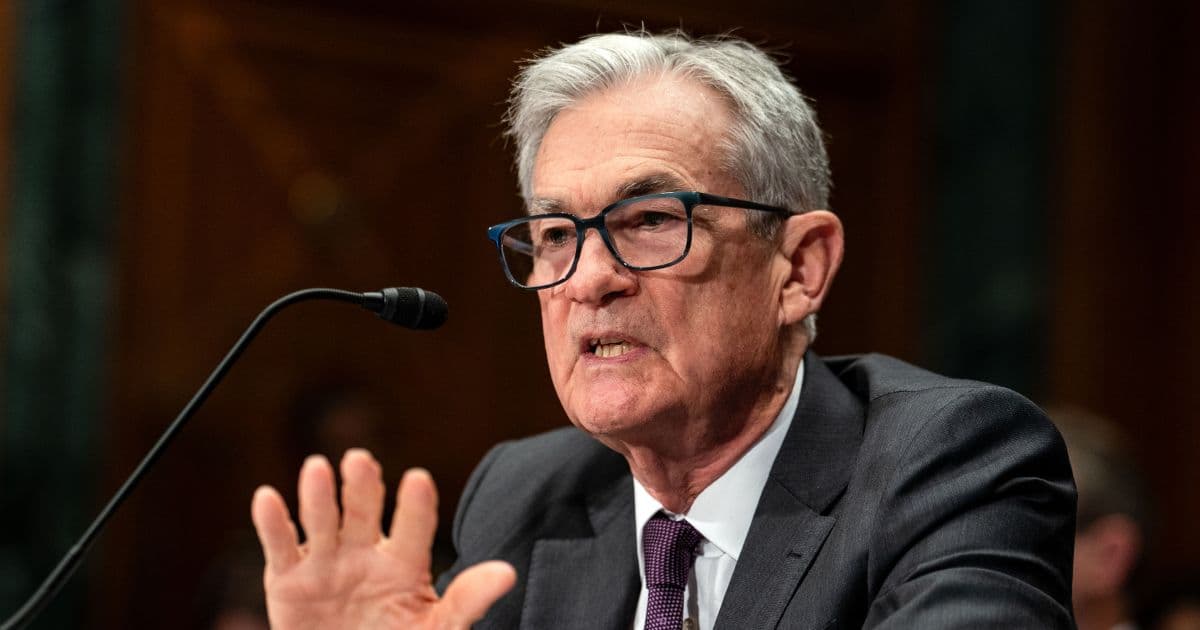
U.S. equity futures eased on Jan. 12 as market participants parsed two politically charged developments that touched the heart of the financial system: a Justice Department criminal probe involving Federal Reserve Chair Jerome Powell and President Donald Trump’s policy proposals that include a temporary cap on credit. Futures for the Nasdaq 100, S&P 500 and Dow Jones Industrial Average each pointed about 0.2% lower in the morning trade, while financial-sector stocks showed outsized weakness amid concern about potential regulatory and policy spillovers.
The pullback followed a strong session on Jan. 11, when the S&P 500 and the Dow reached fresh intraday and closing record highs and the Nasdaq also closed higher. Traders described the Jan. 12 move as a cautious reassessment rather than a broad market sell-off, with attention concentrated on the political headlines and an array of near-term economic and corporate data that could still reshape the outlook.
The Justice Department’s opening of a criminal probe into the Fed chair was an unusual development coming weeks before the Federal Reserve’s next policy decision scheduled for Jan. 28. While the probe has clear political and reputational significance, market-implied interest-rate expectations were little changed. Futures pricing still put the probability of a January rate cut at roughly 5%, essentially where it stood before the probe became public. That stability signaled investors expect the central bank’s policy path to be governed primarily by economic data rather than legal or political headlines in the near term.
At the same time, President Trump’s proposals affecting credit markets, most notably a proposed temporary cap on credit, introduced a fresh layer of uncertainty for banks, lenders and other financial intermediaries. Market participants flagged the potential for such measures to alter lending conditions and pricing, heightening sensitivity around bank balance sheets as the industry prepared to report earnings. The upcoming bank earnings season, together with a consumer inflation reading due in the near term, were cited by traders as the next tangible catalysts that could move markets ahead of the Fed meeting.
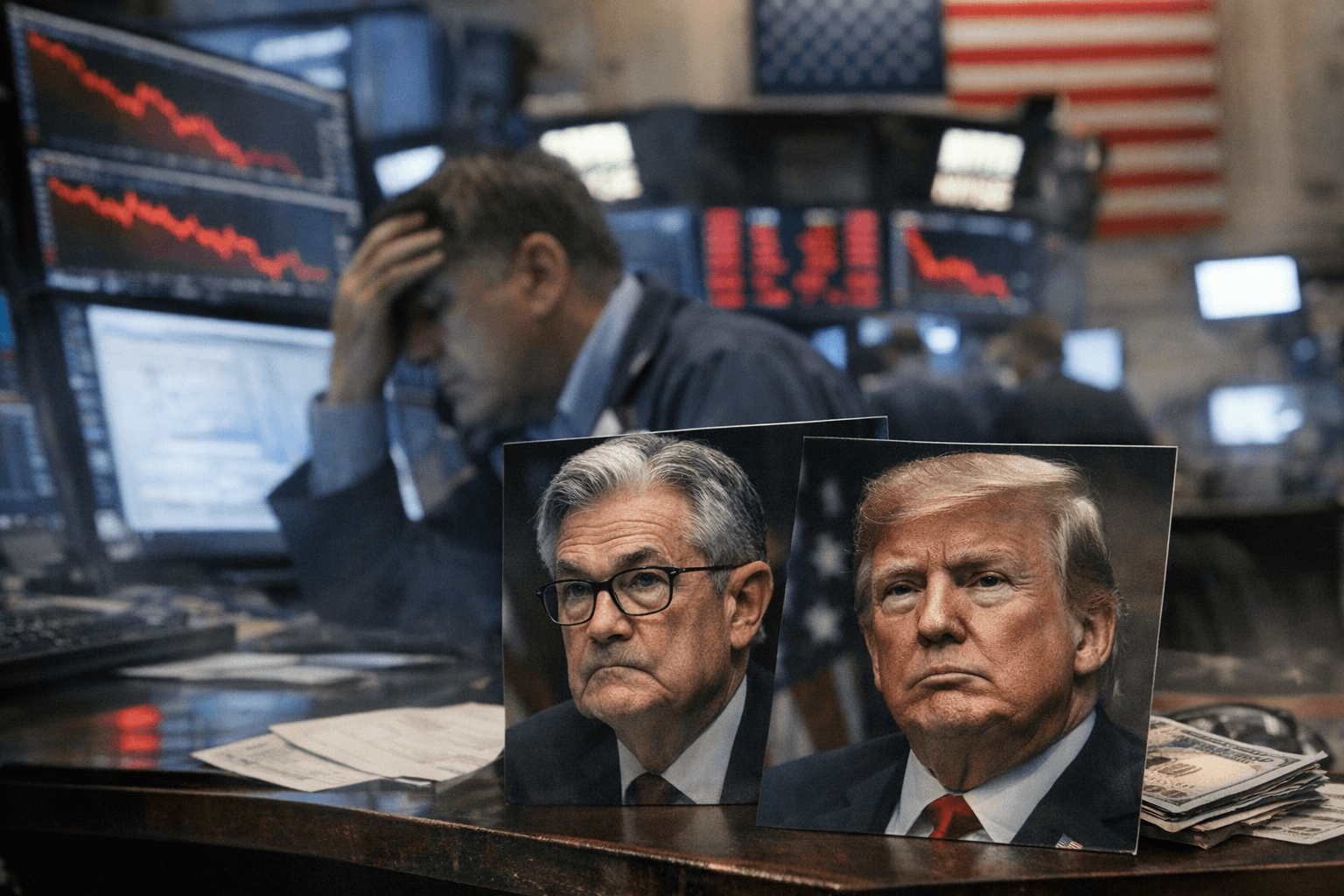
The combination of legal scrutiny of the Fed’s leader and prospective policy interventions in credit markets has implications beyond the immediate price moves. Even if near-term rate expectations remain anchored, political interference and regulatory uncertainty can raise risk premia for financial firms, increase funding costs for some borrowers and add volatility to credit-sensitive sectors. For investors, that translates into a need to monitor not only macroeconomic indicators but also evolving policy signals and legal developments that could reshape the operating environment for banks and markets.
Looking ahead, the Jan. 28 Fed decision remains a key date for removing uncertainty about the near-term policy path, while the consumer inflation report and the first burst of bank earnings will provide fresh data to test market assumptions. For now, the modest retreat in futures reflected caution as investors weighed how political and policy risks might intersect with the economic facts that ultimately drive central-bank decisions.
This article was produced by Prism’s automated news system from verified source data, official records, and press releases, then run through automated quality and moderation checks before publishing. The system is built and supervised by the people who set the standards it runs under. Read our full AI policy.
Did this article answer your question?

