Wallowa Mountains Hells Canyon Trails Association Exceeds Fundraising Goal After Anonymous $500K
An anonymous Union County donor increased a match to $500,000, boosting the Wallowa Mountains Hells Canyon Trails Association to about $666,000 for trail maintenance and repairs.
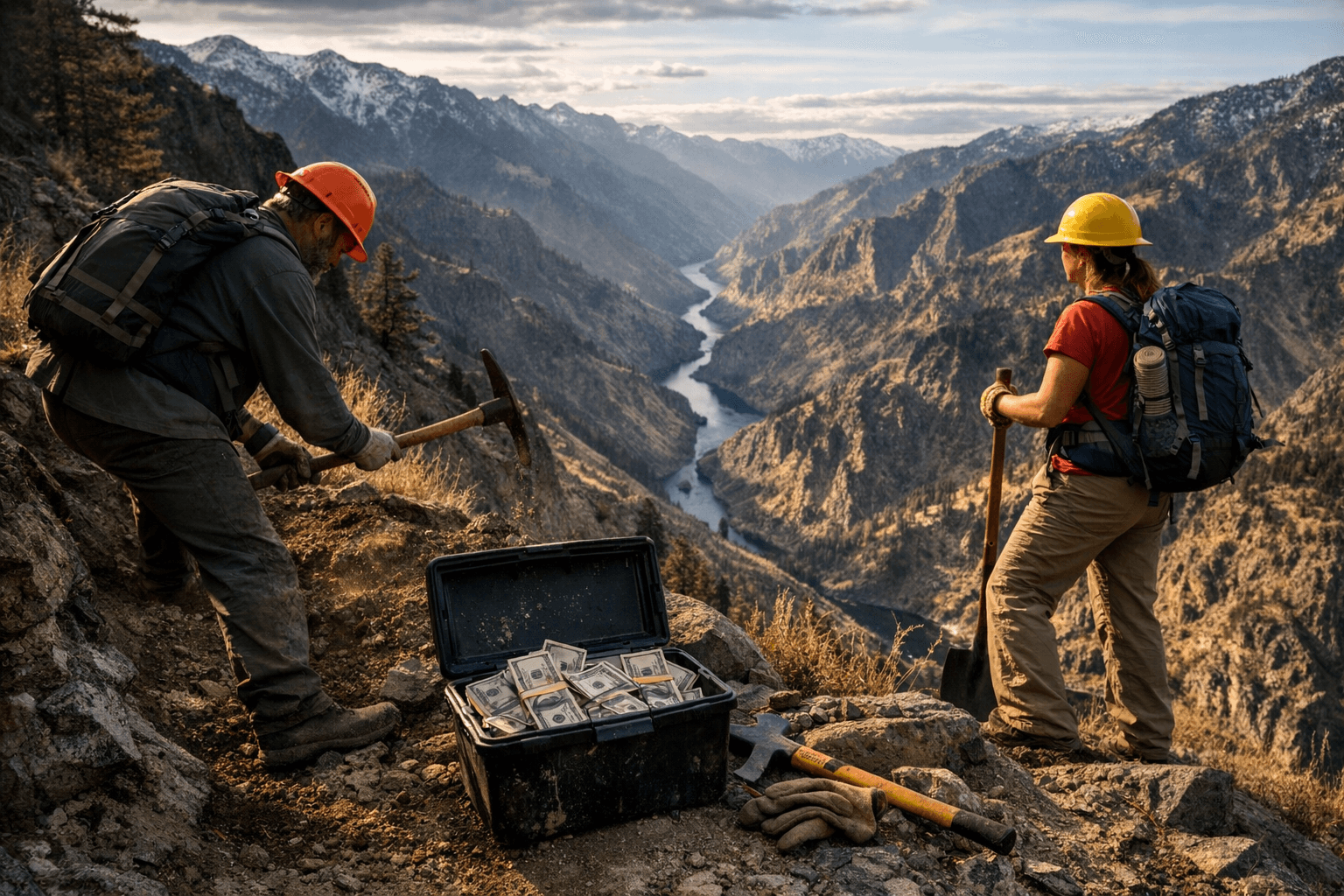
An anonymous philanthropist from Union County increased a matching gift that helped the Wallowa Mountains Hells Canyon Trails Association finish its largest fundraising drive with roughly $666,000 in combined support. The campaign, which ran from Nov. 15, 2025 through Jan. 31, 2026, used a $3-for-$1 matching pledge and exceeded the association’s expectations, officials said.
The match originally promised $3 for every $1 the association raised through Jan. 31, 2026, with an initial cap of up to $400,000. To unlock the full $400,000 under that formula the association needed to raise about $133,000. Donations during the matching window rose to about $166,000, surpassing the required threshold. After the association’s treasurer spoke with the philanthropist, the donor offered to increase the contribution to $500,000, producing a final total of about $666,000.
The result arrives as a practical response to documented maintenance needs on local trails. Winter windstorms left trees toppled across the Bear Creek Trail south of Wallowa, where a volunteer crew cut through 23 trees on 3 miles of trail on Jan. 31, 2026. On the west side of the Eagle Cap Wilderness, volunteers counted 450 down trees in 10 miles on Lackey’s Hole Trail during a visit four years ago, underscoring the backlog that volunteers confront.
“We exceeded our expectations,” Hansen said. “It’s huge.” Hansen has described a goal of hiking every trail about once every three years so that maintenance does not become overwhelming. As of September 2025 the association was close to meeting that goal.
For Union County and neighboring communities, the financial boost promises more reliable access to public lands that serve as important spaces for exercise, stress relief, and community gathering. Well-maintained trails lower the risk of injury by removing hazardous blowdown and improving route clarity, and they reduce pressure on volunteer crews who already shoulder much of the labor to keep trails passable.
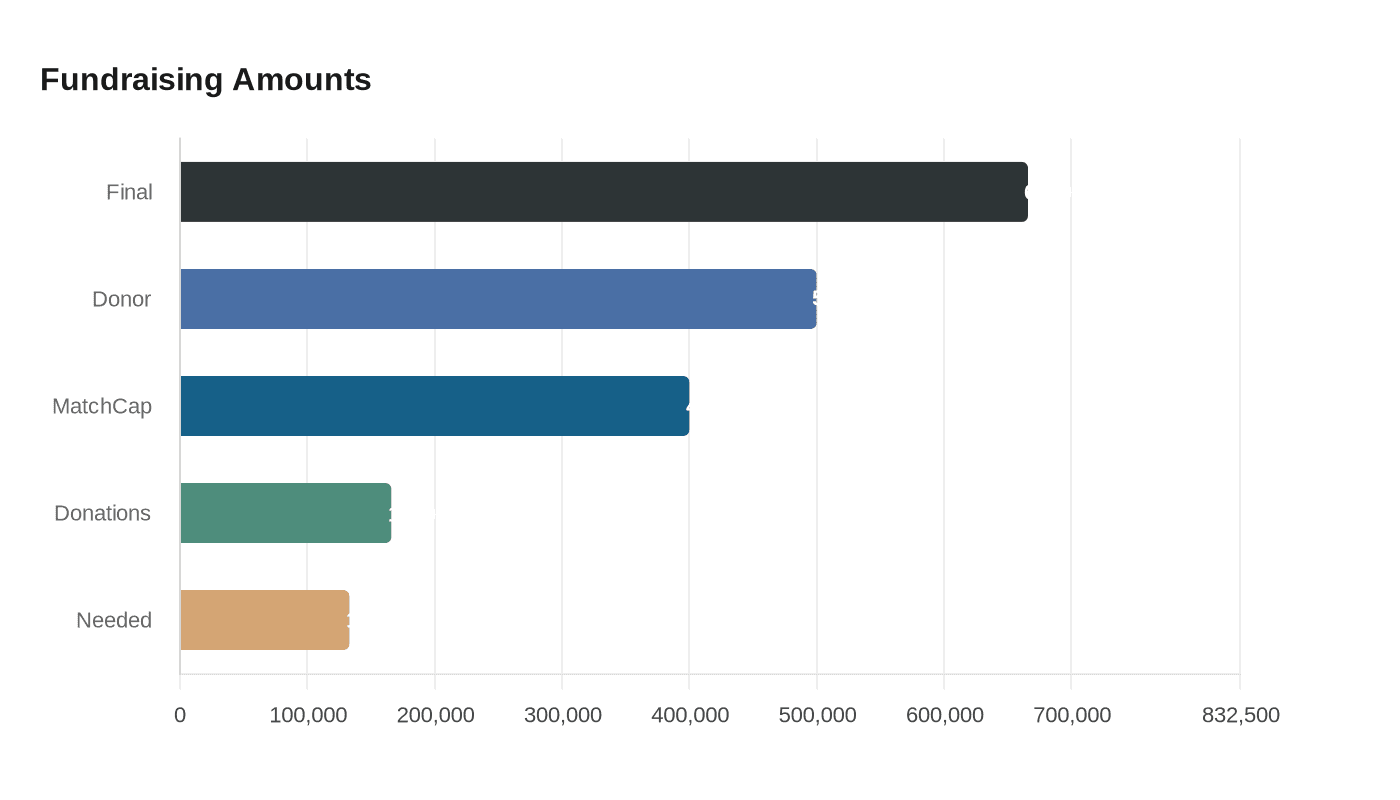
The campaign was the biggest in the association’s history. The matching mechanics and the treasurer’s outreach illustrate how local philanthropy and grassroots giving can move quickly to meet urgent infrastructure needs in a rural region where federal and state resources for trail work are often limited.
What comes next is a period of planning and prioritization. Association leaders will need to decide which projects and stretches of trail get attention first, coordinate volunteer crews and land managers, and translate the unexpected funding into cleared miles, safer routes, and more frequent maintenance cycles. For residents who hike, hunt, guide, or simply walk nearby trails, the windfall should mean fewer clogged treadways and more dependable access to the Eagle Cap, Bear Creek, and other local routes in the months and years ahead.
Know something we missed? Have a correction or additional information?
Submit a Tip