Walmart sales rise as low-price shoppers cut back on spending
Walmart’s sales rose, but fuel-stressed shoppers bought less gasoline and cheaper goods, a fresh sign that inflation fatigue is still reshaping household budgets.

Walmart’s latest quarter showed the two faces of the U.S. consumer at once: sales kept rising, but shoppers leaned harder into low-price items and pulled back in some categories, a pattern that suggests household budgets are still under strain. The world’s biggest retailer said the quarter ended April 30, 2026, with revenue of about $177.75 billion and earnings per share of $0.66, slightly ahead of the $0.65 consensus estimate.
Investors focused instead on the warning signs embedded in the outlook. Walmart shares fell about 7% after the company signaled a more cautious view, reviving concern that slowing spending could spread beyond one retailer. The company’s global reach gives it unusual visibility into consumer behavior, with more than 10,750 stores and about 270 million weekly customers and members across its stores and e-commerce sites.

Fuel costs emerged as one of the clearest pressure points. Chief financial officer John David Rainey said Walmart absorbed about $175 million in added fuel costs during the quarter, and average gasoline purchases at Walmart U.S. stations fell below 10 gallons for the first time since 2022. That drop mattered because it pointed to more cautious driving and tighter household cash flow, even as tax refunds had helped cushion spending earlier in the year. Walmart also said higher-income shoppers were spending with more confidence, while lower-income consumers remained more budget-conscious.
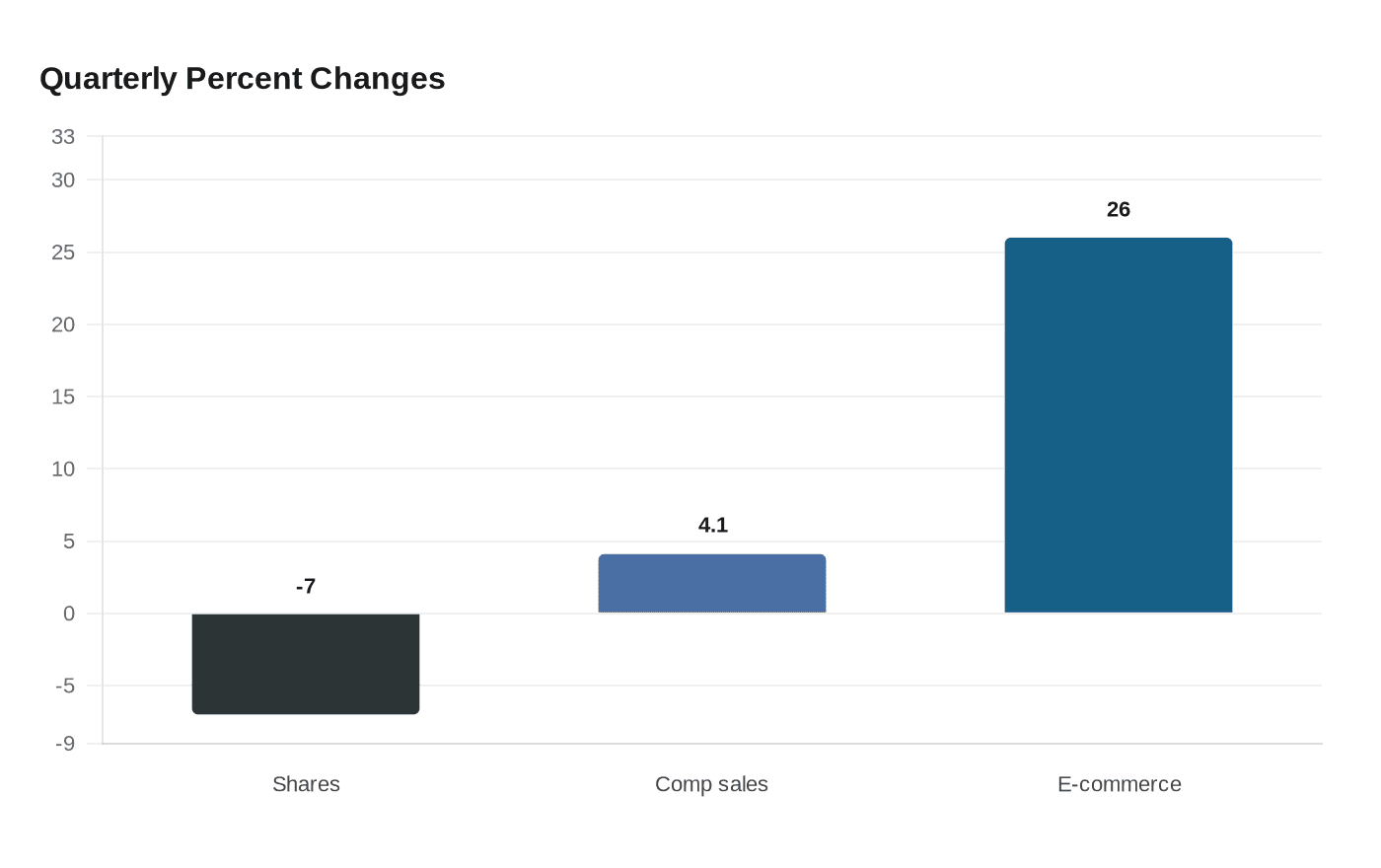
The retailer still found strength in its value proposition. Customers kept gravitating toward rollbacks and cheaper goods, and third-party earnings summaries showed U.S. comparable sales excluding fuel rising 4.1% in the latest quarter. E-commerce climbed 26%, adding another sign that price-sensitive shoppers are still hunting for deals wherever they can find them. Walmart also said it may use tariff refunds to lower store prices, tying trade policy directly to shelf prices at a time when inflation, fuel costs and import expenses are still shaping shopping behavior.
For economists and investors, Walmart’s numbers matter well beyond Bentonville. When the company’s mix shifts toward cheaper items and discretionary categories soften, it often arrives early as a warning that the consumer is finally feeling the cumulative effect of years of inflation. This quarter suggested that many households are still spending, but increasingly on offense, not comfort.
This article was produced by Prism’s automated news system from verified source data, official records, and press releases, then run through automated quality and moderation checks before publishing. The system is built and supervised by the people who set the standards it runs under. Read our full AI policy.
Did this article answer your question?

%3Amax_bytes(150000)%3Astrip_icc()%2FCertificate-of-deposit-2301f2164ceb4e91b100cb92aa6f868a.jpg&w=1920&q=75)
