War Adds New Damage to Chernobyl, 40 Years After Meltdown
A drone strike in February tore into Chernobyl’s new steel shield, adding wartime damage to a site still defined by the 1986 reactor blast.
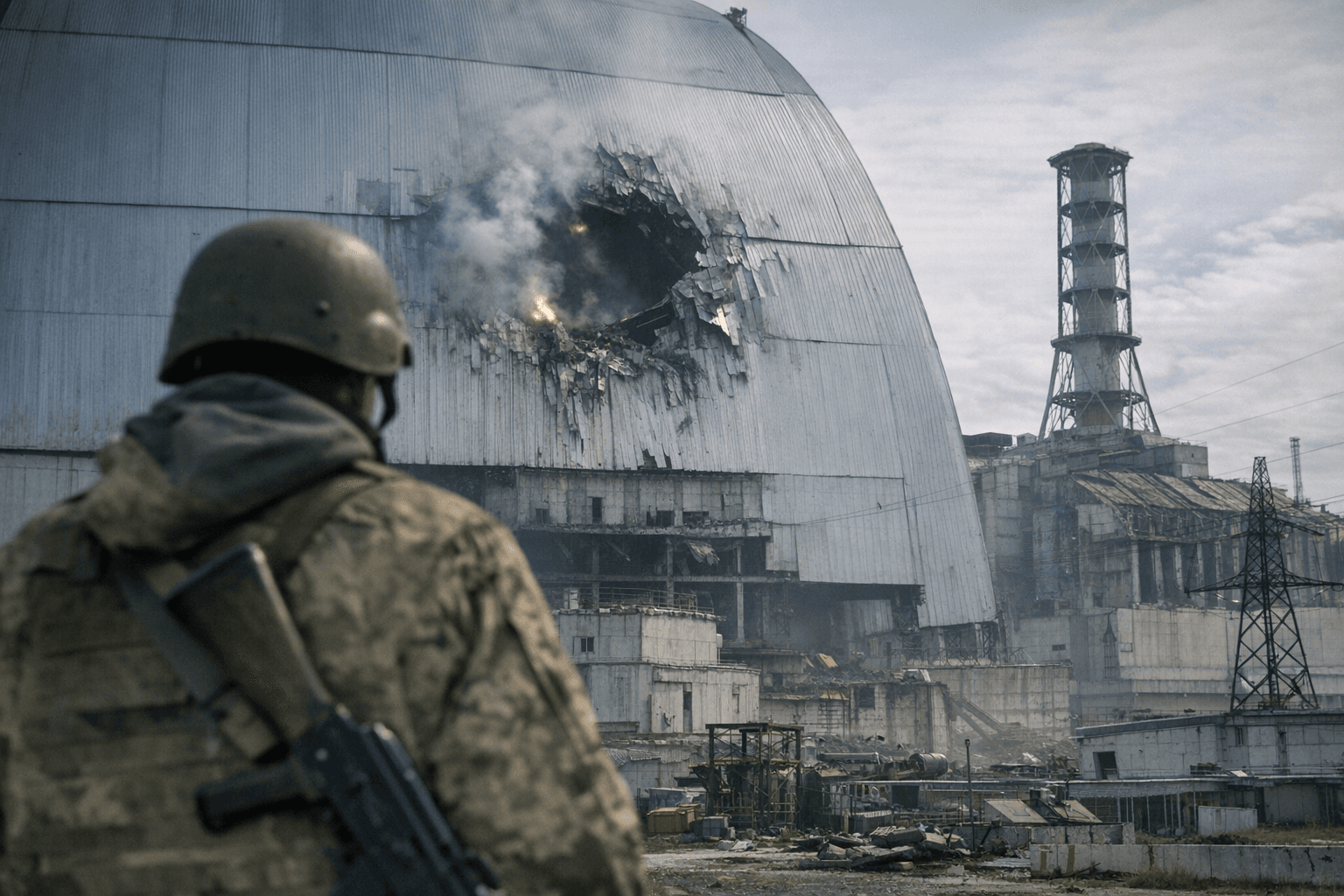
A drone strike ripped into Chernobyl’s New Safe Confinement and set off fires that took weeks to fully smother, adding a fresh layer of danger to a site built to lock away the wreckage of Reactor 4 for generations. The International Atomic Energy Agency said the strike pierced the roof of the massive steel arch, but radiation readings at the plant did not increase.
The damage revived attention to the disaster that began on April 26, 1986, when the Number Four reactor at the Chernobyl Nuclear Power Plant exploded and burned. In the immediate aftermath, about 115,000 to 116,000 people were evacuated from the most heavily contaminated areas, and another 220,000 were relocated later. A 30-kilometer exclusion zone was carved out around the plant and the nearby city of Pripyat, a permanent reminder of the scale of the release.
International assessments have long treated Chernobyl as the worst nuclear accident in history. The World Health Organization and other UN-linked studies have estimated that up to 4,000 people could eventually die from radiation exposure among the most exposed populations, though estimates vary. The long shadow of that toll has made the reactor site a symbol not only of Soviet-era failure, but of how difficult it is to contain nuclear damage once a plant is breached.
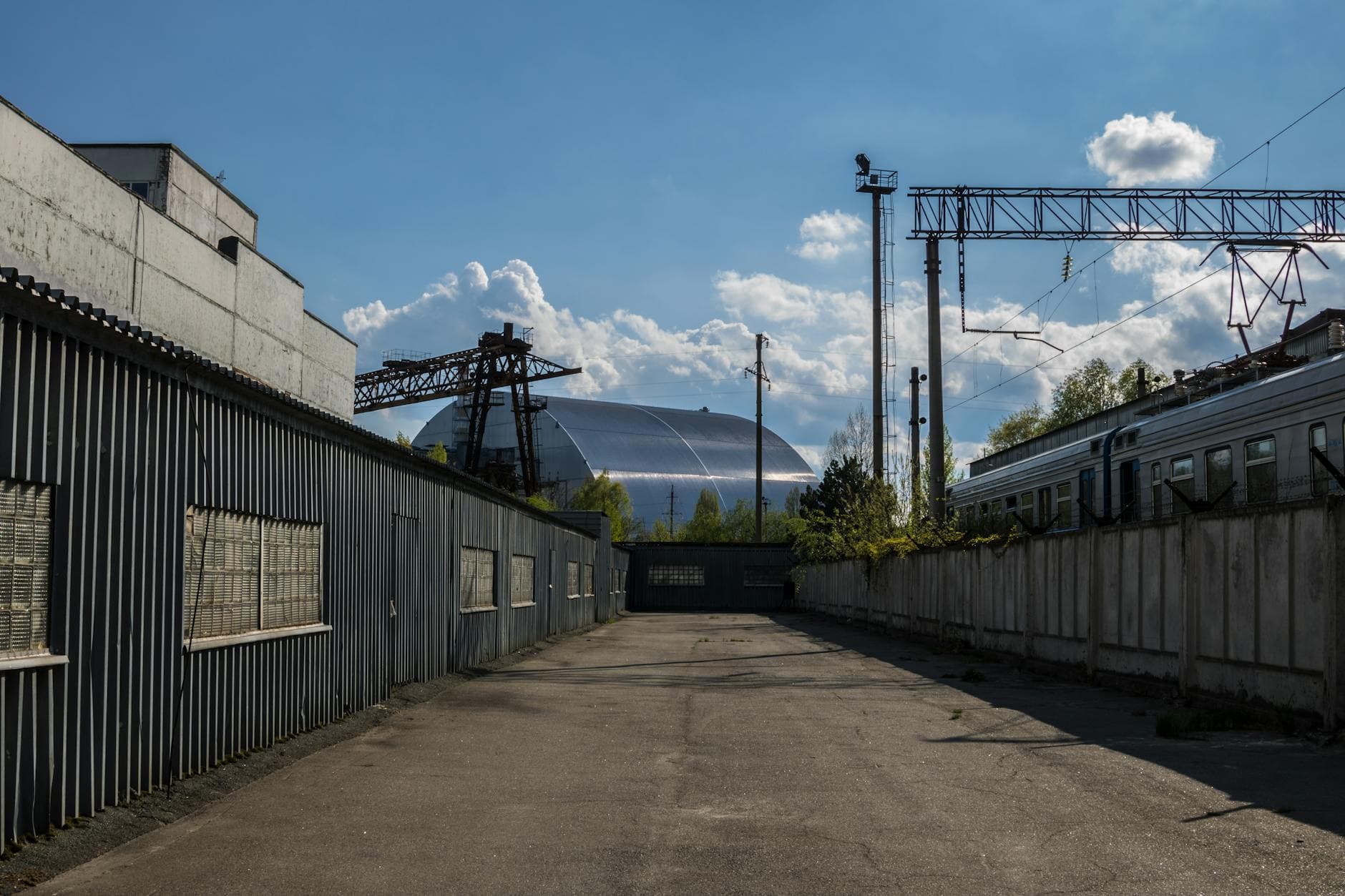
The New Safe Confinement was meant to solve part of that problem. Built over years, slid into place in 2016 and formally commissioned in 2019, it is one of the world’s largest moveable structures. Designed to contain the destroyed reactor for about 100 years, it was supposed to buy time against decay, weather and human error. Instead, the war in Ukraine has made the shelter itself vulnerable.
Rafael Mariano Grossi, the IAEA chief, said after the February 14, 2025 strike that the agency remained concerned about the safety of the site. Ukrainian firefighters worked around the clock to extinguish small fires that kept smouldering after the attack, and by November 2025 the IAEA had deployed additional staff to assess the damage. Forty years after the meltdown, Chernobyl remains not a closed chapter, but a compounding disaster in which memory, infrastructure and wartime risk now collide.
This article was produced by Prism’s automated news system from verified source data, official records, and press releases, then run through automated quality and moderation checks before publishing. The system is built and supervised by the people who set the standards it runs under. Read our full AI policy.
Did this article answer your question?


