Warm Winter Provokes Early Bud Break, Stressing Lewis and Clark County Trees
Warm, low-snow winter conditions have prompted early bud break and root activity in local trees, raising dehydration and frost-damage risks for Lewis and Clark County homeowners.
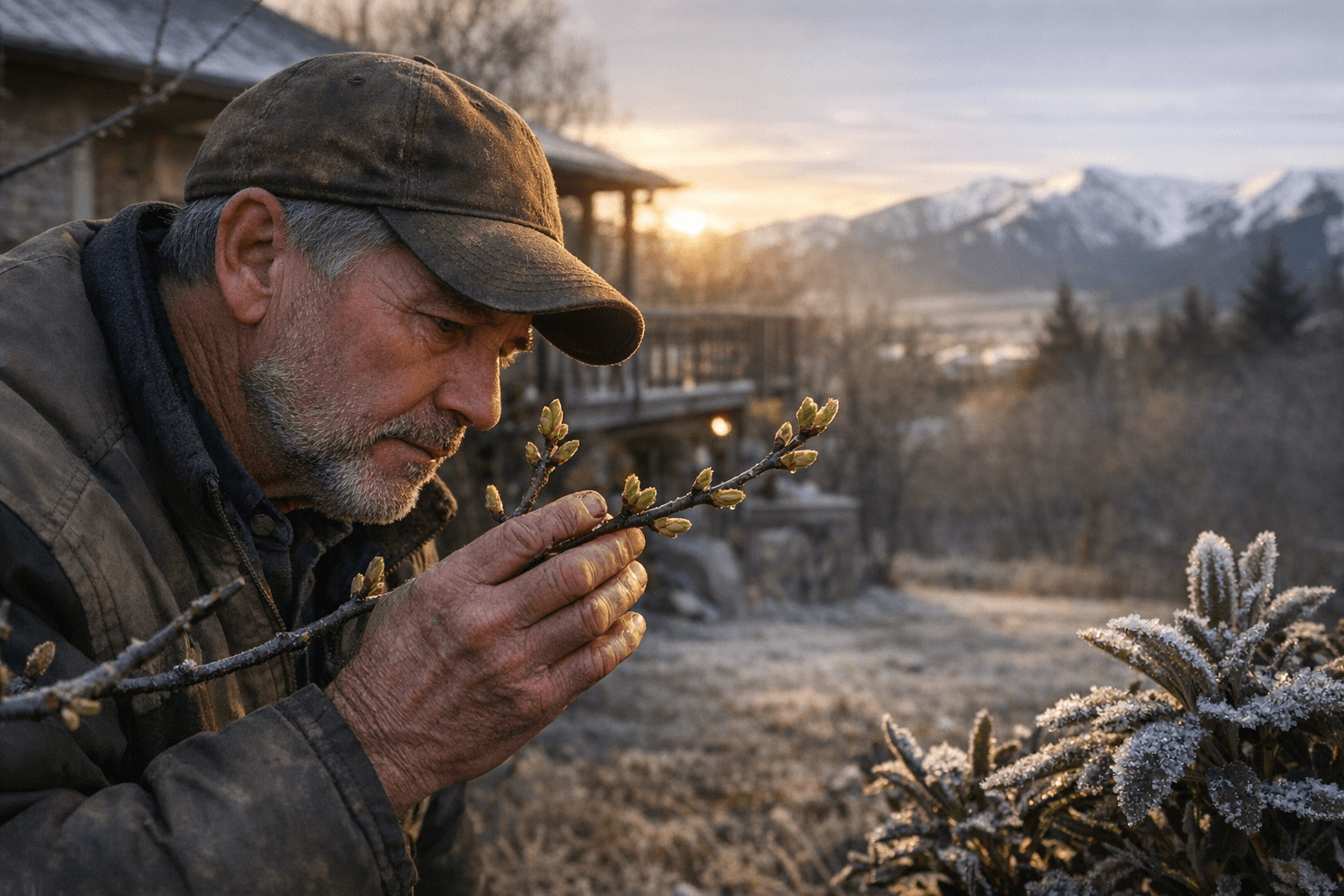
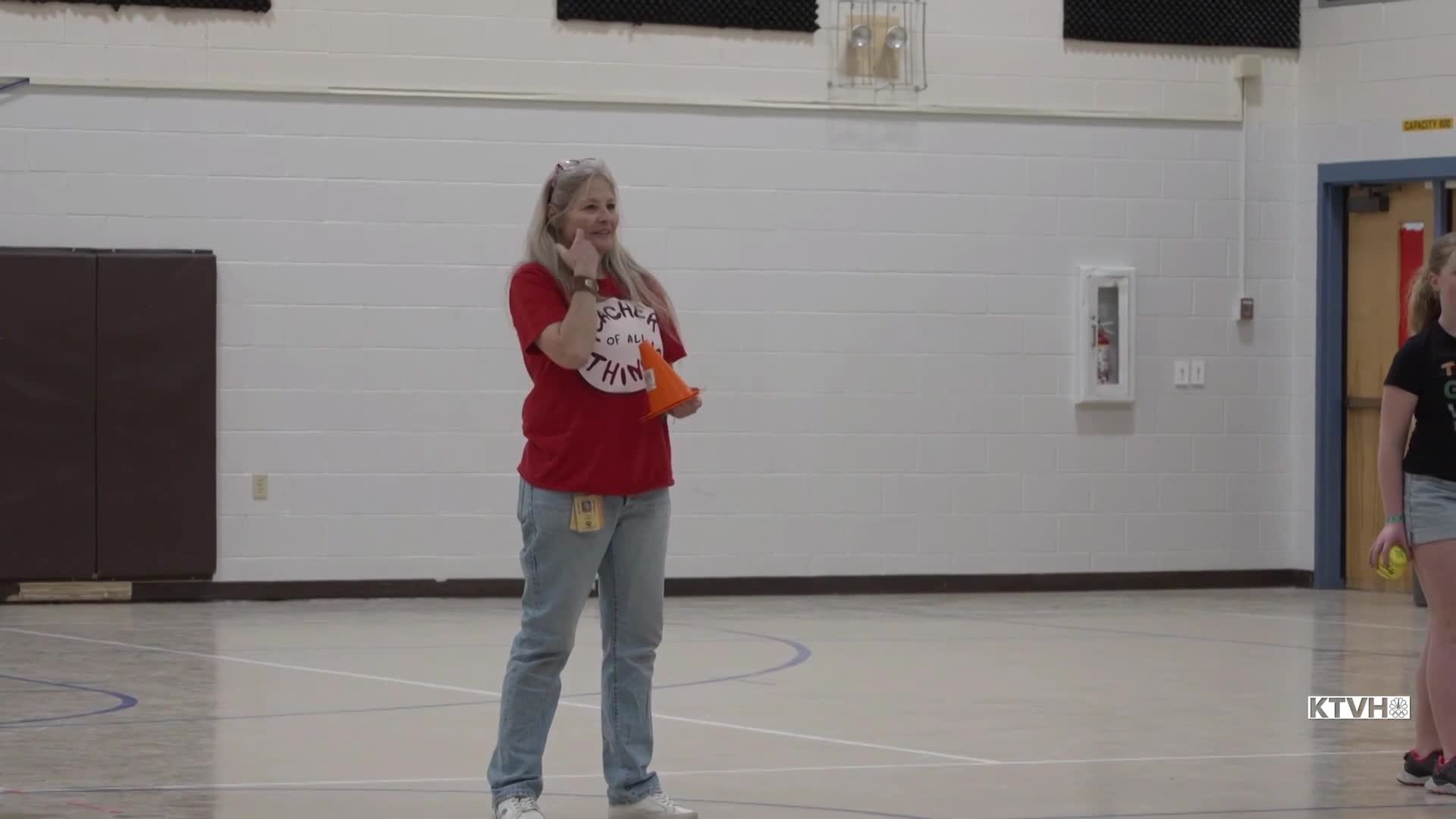
Warm, low-snow conditions in the Helena Valley are nudging trees out of dormancy weeks early and stressing the county's urban and garden trees. At Tizer Botanical Gardens and Arboretum staff say the usual insulating snowpack is absent, and local stewards are urging residents to watch trunks and branches for early signs of damage.
“It’s been a warm winter, with little snow in the lower elevations of the greater Helena area,” one local report summarized, and the Tizer Botanical Gardens and Arboretum manager added, “Typically, here up at Tizer, we are blessed to have a lot of snow, and at the moment, we don’t.” MTN meteorologist Joey Biancone said, “The Helena Valley itself is experiencing the second least snowy January ever on record, so it has been a very dry month.”
Ground crews at Tizer say the combination of thawing root zones and scant moisture can trick trees into waking up too early. “That rootball will thaw, and it can be really confusing for trees, and they think that maybe it's springtime, they need to start waking up, and they start absorbing some of that water,” Auch said. “If there's no water for it to absorb, it simply dries up and dies.” Staff warn that “signs that a tree is getting dehydrated include yellow tips or even already dead ones.”
Newly planted trees are most vulnerable in these conditions. “Especially for trees planted in the fall, there isn't a lot of time for those roots of those trees to grow out and establish a solid root base,” Auch said. “Because of that, they don't have a good system for holding in water, and they dry out a lot faster.” For immediate care, Auch recommends simple steps residents can take now: “For those concerned about keeping your own trees kicking, Auch recommends that until there's more snow, a gallon of water here and there should do the trick,” and “You want to mulch your trees really heavily, and then you want to keep watering your trees at least once per week until we get a solid snowpack.”
Local observations fit a broader pattern scientists are tracking. Climate Central’s analysis of 247 U.S. weather stations, using a 1970-2025 baseline, found that through January 26, 2026, major U.S. cities set 171 daily record-high temperatures compared with 40 daily record-lows. At the same time, a late January 2026 storm brought crippling freezing rain, sleet and snow across a large swath of the country, demonstrating that severe winter weather can still occur amid a warming trend.
Research from the Swiss Federal Research Institute WSL, published 07.01.2026, finds that trees sprout earlier under warming but that heat and drought can slow overall growth; ecologist Arun Bose told researchers, “But this assumption doesn’t hold up.” Practical guidance from arborists echoes those findings: roots can remain active when soil temperatures reach about 32 to 40 degrees Fahrenheit, and warm spells followed by late cold snaps increase frost and dehydration risks.
For Lewis and Clark County residents, the near-term prescription is straightforward: check young plantings first, look for yellowing tips or dead branches, apply heavy mulch, and water weekly until a reliable snowpack returns. Longer term, the pattern of earlier bud break and episodic severe storms underscores mounting risks to urban trees, carbon storage and local forestry as the climate shifts.
Know something we missed? Have a correction or additional information?
Submit a Tip