Warmer Weather Is Intensifying Spring Allergies, Experts Say
Warmer springs are bringing pollen out earlier and for longer, hitting more people harder. Simple exposure steps can blunt symptoms and help tell allergies from respiratory illness.
Why spring allergies are getting sharper
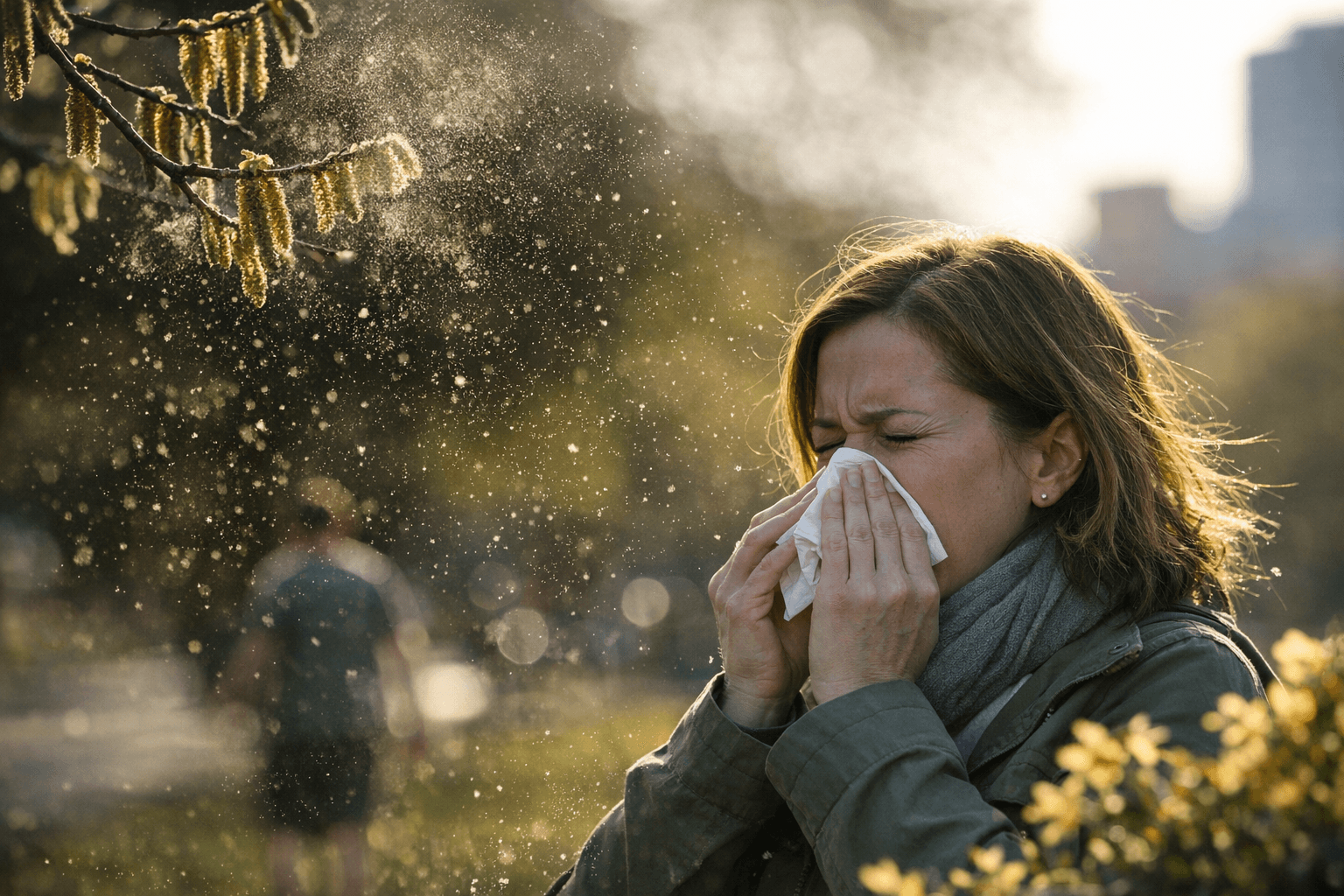
Warmer weather is changing more than the feel of spring. It is pushing pollen into the air sooner, stretching the season longer, and making symptoms harder to ignore for people who already live with seasonal allergic rhinitis. Dr. Leonard Bielory, an allergist and immunologist at Rutgers New Jersey Medical School, has been pointing to the same basic driver: sunlight and rising temperatures arrive, trees release pollen, and the season begins.
Tree pollen is the most common trigger for spring hay fever, and for many people it is the pollen that turns a mild nuisance into days of congestion, itchy eyes, and poor sleep. The American Academy of Allergy, Asthma & Immunology says seasonal allergic rhinitis can disrupt sleep and reduce performance at school and work, which helps explain why allergies are not just a comfort issue but a productivity issue as well.
How climate is shifting the calendar
The timing of spring allergy season is moving because the weather is changing. The Centers for Disease Control and Prevention says pollen counts are typically higher during warmer seasons, although some plants pollinate year-round. It also notes that climate change may increase pollen concentrations and extend pollen seasons through warmer air temperatures, fewer frost days, shifts in precipitation, and higher atmospheric carbon dioxide.
Rutgers has said allergy season in New Jersey usually starts around March 1, when sunlight and temperatures rise. Bielory has also noted that each tree releases pollen over a period of two to three weeks, which means the mix of trees around you can keep symptoms going well beyond the first warm spell. That helps explain why a stretch of pleasant weather can quickly become a difficult stretch for people with pollen allergies.
The broader trend is showing up beyond New Jersey. Rutgers has reported that in some parts of the northern United States and Canada, warmer seasonal air and milder winters have pushed ragweed allergy season to start earlier and last up to a month longer than it did in 1995. A recent climate and pollen modeling review found that warmer end-of-century temperatures could shift the start of spring pollen emissions 10 to 40 days earlier, a wide shift that would move symptoms deeper into winter and make the seasonal overlap harder to predict.
Who gets hit hardest
The burden falls unevenly. People with existing pollen allergies often feel the earliest and strongest effects, especially when tree pollen first spikes. Anyone with asthma can be more vulnerable too, because pollen can aggravate breathing symptoms and make the line between “just allergies” and something more serious harder to judge.
The changing season also matters for daily routines. When symptoms build up, sleep tends to suffer first, and then the effects spill into concentration, energy, and mood. That is why experts treat seasonal allergic rhinitis as a quality-of-life problem, not just a few sneezes in the morning.
The pattern is becoming more complicated in the fall as well. The American Academy of Allergy, Asthma & Immunology says increasing temperatures and carbon dioxide levels are making spring arrive earlier, which means pollination starts sooner, and it warns that ragweed is producing more pollen and worsening fall allergies too. In other words, the pollen problem is not confined to one season anymore.
What to do before symptoms get out of hand
The most useful steps are the simplest, and the CDC lays out a practical checklist for pollen season:
- Check pollen forecasts before you plan outdoor time.
- Limit time outside when pollen levels are high.
- Take prescribed allergy and asthma medicines as directed.
- Avoid touching your eyes outdoors.
- Shower after being outside.
- Change clothes after outdoor exposure.
- Keep windows closed during pollen season.
These habits matter because pollen travels easily on hair, skin, jackets, and shoes. A quick shower and a change of clothes can keep you from carrying the problem from the sidewalk into the bedroom, and keeping windows shut can reduce the indoor load when counts are high. For households trying to manage symptoms across multiple people, that kind of small routine can make the difference between a day of irritation and a week of it.
It also helps to think ahead rather than react after symptoms are already severe. Since pollen seasons are starting earlier and lingering longer, the right time to prepare is before the first hot stretch of the year, not after the sneezing starts. That means checking local forecasts, keeping medication on hand, and paying attention to which outdoor activities tend to trigger you most.
Why this is becoming a longer-term health story
The key takeaway from the climate research is not only that pollen counts rise in warm weather, but that warming changes timing, intensity, and duration at the same time. If spring pollen emissions move 10 to 40 days earlier, as the modeling review suggests, then the familiar allergy calendar will keep shifting out from under patients, clinicians, schools, and employers. Earlier pollen, longer seasons, and more ragweed exposure all point in the same direction: more days when symptoms are likely to interrupt normal life.
That is why the current advice from allergy specialists is so practical. Pollen is becoming a more persistent part of the climate-health picture, and the most effective response is to reduce exposure early, treat symptoms consistently, and stay alert to the difference between allergies and other respiratory illness. An ABC News segment airing today features Bielory discussing exactly that combination of causes and coping steps, underscoring how quickly a warmer spring can turn into a longer allergy season.
This article was produced by Prism’s automated news system from verified source data, official records, and press releases, then run through automated quality and moderation checks before publishing. The system is built and supervised by the people who set the standards it runs under. Read our full AI policy.
Did this article answer your question?