Warren probes Nvidia acquisition of Slurm maker over national security risks
Warren asked Energy and Defense to explain whether Nvidia’s Slurm deal could deepen dependence on a chip giant already embedded in government supercomputers.
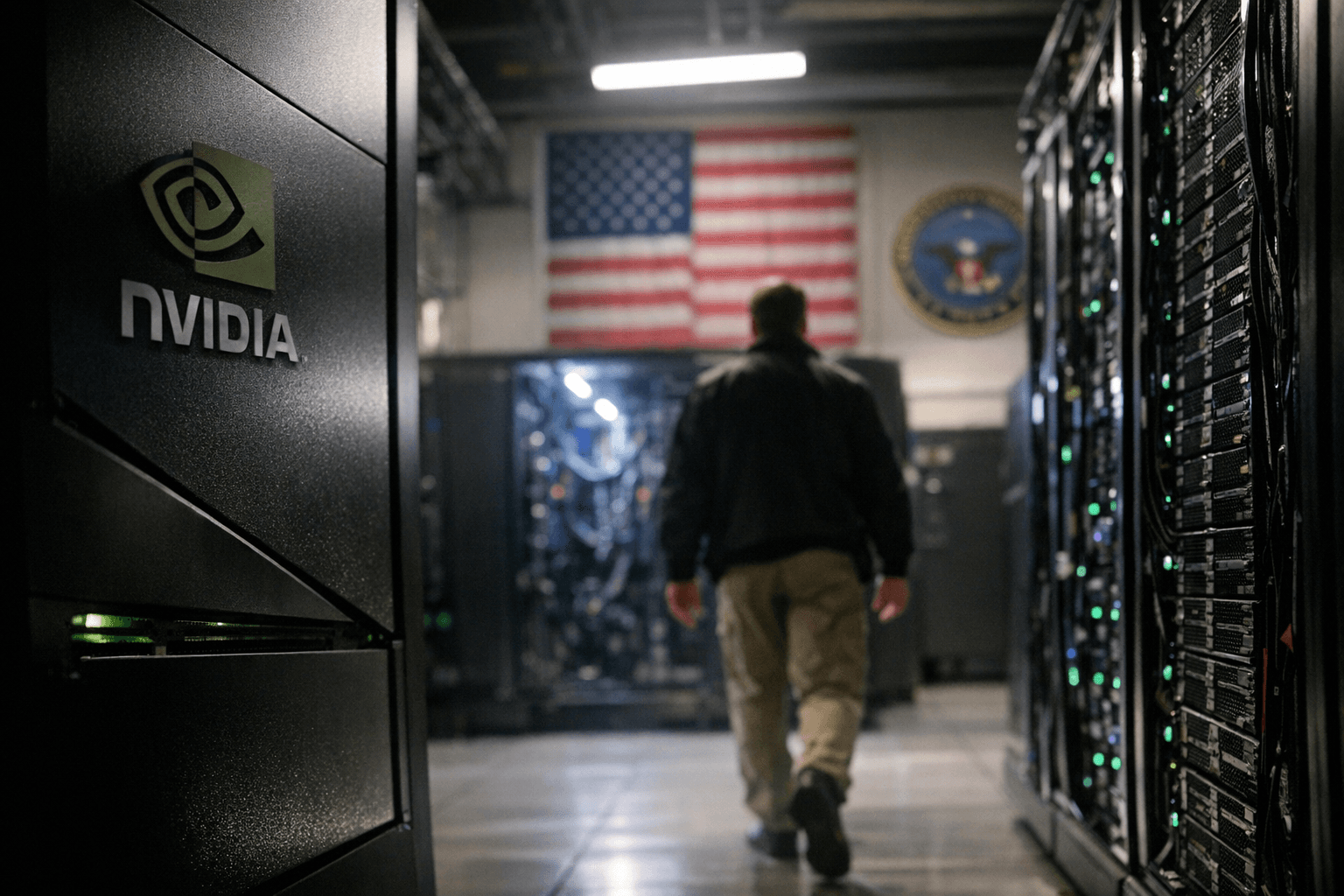
Elizabeth Warren pressed the Energy and Defense departments to explain whether Nvidia’s purchase of SchedMD gives the chipmaker more leverage over the software that runs many of the world’s largest supercomputers, including systems the U.S. government uses for weather forecasting, ballistic-missile simulations and nuclear-weapons work. The Massachusetts Democrat’s inquiry put a national security lens on a deal that also looks, to lawmakers, like a test of how much control one company can accumulate across the AI and supercomputing stack.
Warren sent the letter on Tuesday, April 14, 2026, to Energy Secretary Chris Wright and Defense Secretary Pete Hegseth. She asked whether the departments had assessed national-security risks from the acquisition and whether they understood how dependent their own systems are on Nvidia hardware and software. That question matters because Slurm is used by about 60% of supercomputers worldwide, making it one of the core coordination tools behind high-performance computing clusters that move enormous workloads among processors and storage.
The company at the center of the scrutiny has deep roots in public research. Slurm began as a collaborative effort at Lawrence Livermore National Laboratory in 2001 and 2002, then was commercialized through SchedMD, which was incorporated in 2010 by Slurm developers Morris Jette and Danny Auble. Nvidia said when it announced the deal in December 2025 that it would continue to distribute Slurm as open-source, vendor-neutral software. The acquisition price was not disclosed, adding to the concern that lawmakers have only a partial view of how far Nvidia is reaching into infrastructure software.
The issue extends beyond ownership on paper. Specialists cited in the reporting warned that Nvidia could still tilt the ecosystem toward its own GPU stack, including CUDA, and make its software the best-supported path for users already on Nvidia systems, while rivals such as AMD and Intel could be left at a disadvantage. That would matter in procurement decisions for the federal government, which relies on supercomputers not just for defense work but also for climate modeling and materials research.
The Department of Energy has continued building out its computing portfolio, including exascale-scale systems such as Aurora at Argonne National Laboratory. That expansion has only sharpened the stakes around vendor concentration. If a dominant chip maker also controls a key layer of workload management, the concern in Washington is not simply competition in the commercial market. It is whether the government can keep critical scientific and defense computing resilient, interoperable and free from overdependence on a single supplier.
This article was produced by Prism’s automated news system from verified source data, official records, and press releases, then run through automated quality and moderation checks before publishing. The system is built and supervised by the people who set the standards it runs under. Read our full AI policy.
Did this article answer your question?

