Warsh faces Senate scrutiny as Trump pressures Fed independence
Powell’s exit as Fed chair opened a test of central bank independence, as Trump’s pick Kevin Warsh headed to Senate scrutiny amid threats to keep Powell off the Board.
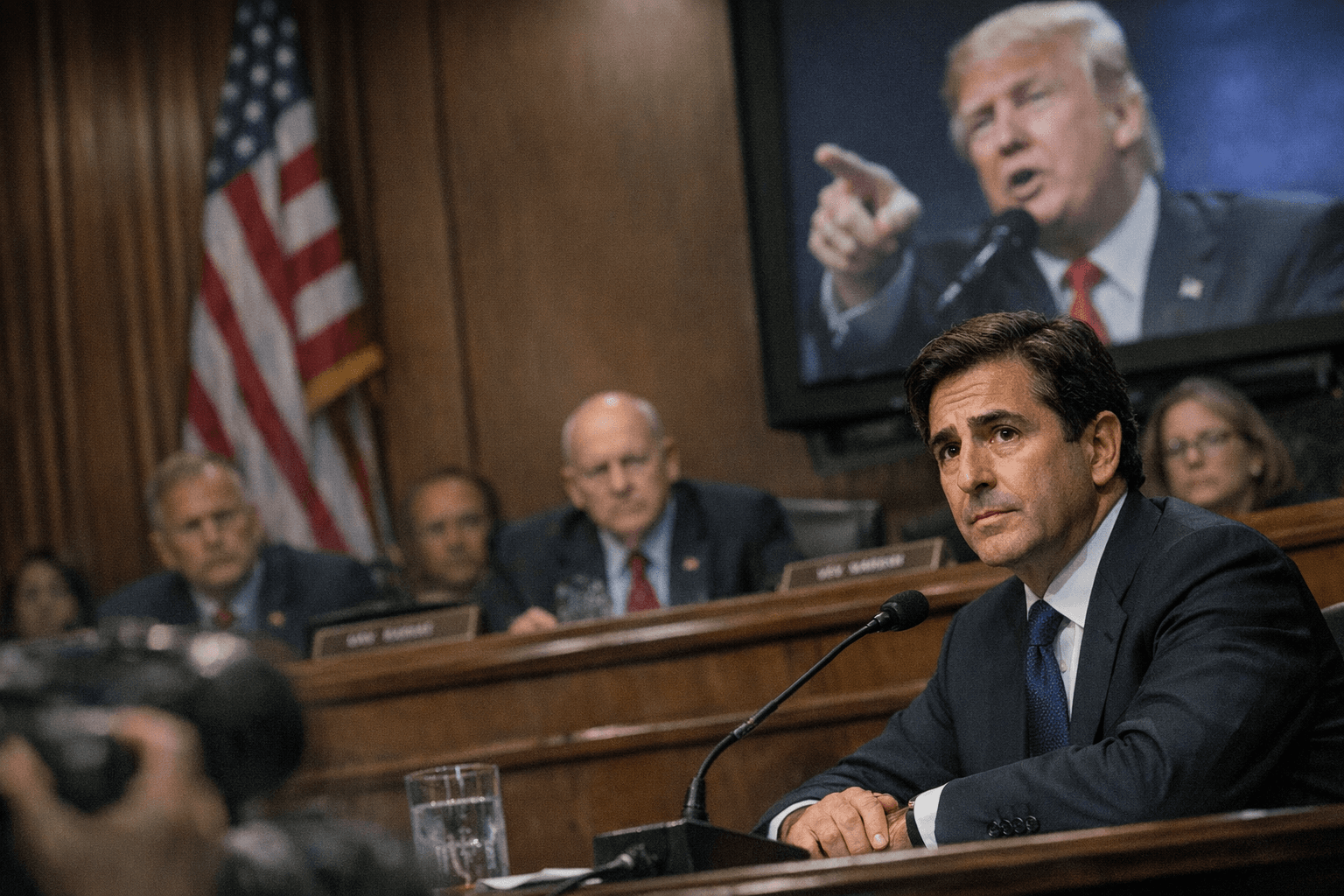
The fight over Federal Reserve independence has shifted from an abstract warning to a concrete leadership test. Jerome Powell’s term as chair ends on May 15, 2026, but his term as a member of the Board of Governors runs until January 31, 2028, giving President Donald Trump a fresh point of leverage over the central bank’s future.
Trump has nominated former Fed governor Kevin Warsh to succeed Powell, and Warsh is headed for scrutiny by the Senate Banking Committee over interest rates, inflation and the question that now overshadows all others, whether a Fed chair can stay insulated from White House pressure. Warsh served on the Federal Reserve Board of Governors from February 24, 2006, to March 31, 2011, and his return would place him at the center of one of the most consequential debates in monetary policy.
In prepared testimony released ahead of the hearing, Warsh said he is committed to ensuring that monetary policy remains strictly independent. But he also argued that independence does not extend to every part of the Fed’s work, saying it does not cover the central bank’s regulation, supervision, public monies and some international-finance matters. He said the Fed should stay focused on its primary goals and avoid straying beyond them, a message likely to draw close questioning from senators weighing how far he would go to defend the institution from political interference.
The stakes are heightened by Trump’s public threats to fire Powell if he remains on the Fed Board after his chair term ends. That threat has sharpened fears that the precedent could weaken the central bank’s insulation from partisan pressure just as officials are trying to steer the economy through inflation risks and borrowing-cost pressures. Powell has been widely seen as a benchmark for resistance to presidential demands, and Warsh’s confirmation hearing is likely to be judged against that standard.
There is no clear pathway to confirmation yet, and the leadership fight is unfolding alongside legal and political battles over the Fed’s autonomy. For markets, the issue is larger than one nomination. If traders, lenders and households begin to doubt that the central bank can set policy free of the White House, the result could be higher borrowing costs, less trust in the Fed’s inflation fight and a more fragile economic outlook.
Know something we missed? Have a correction or additional information?
Submit a Tip