Warsh Fed Nomination Could Be Delayed by Justice Department Probe
A DOJ probe of Jerome Powell is threatening Kevin Warsh’s Fed bid and reviving fears that the White House wants the next chair under pressure.
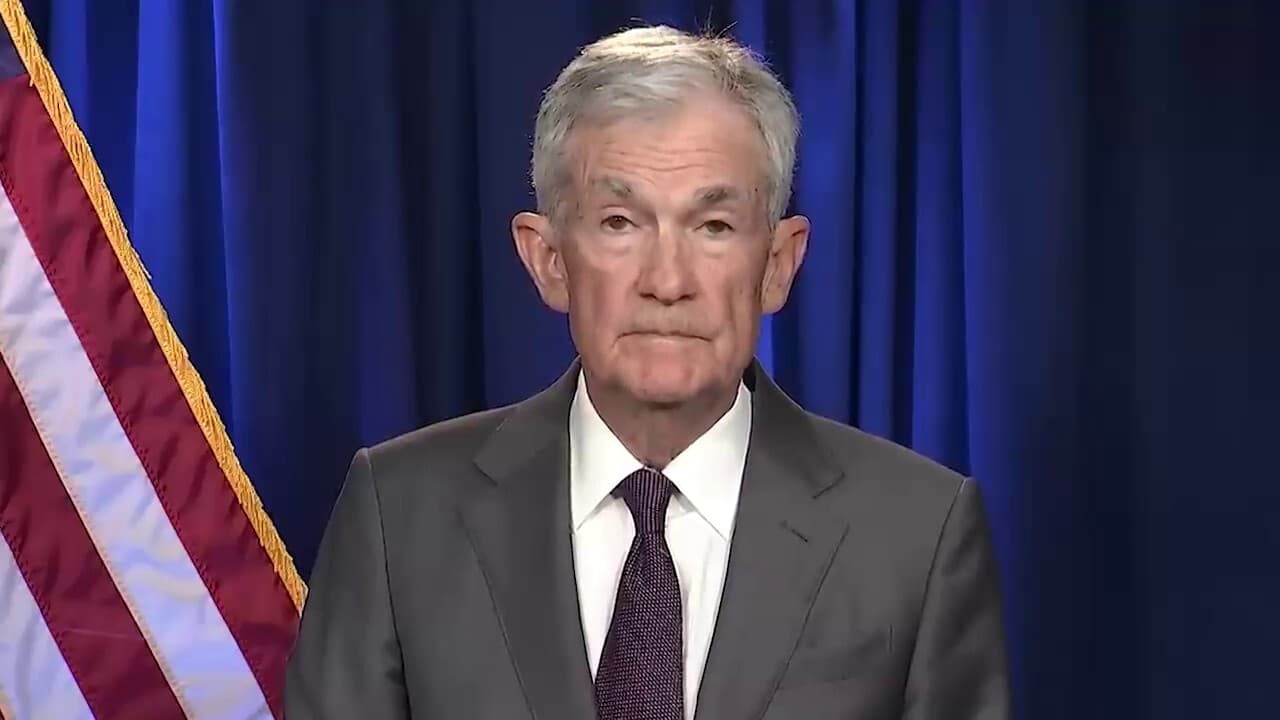
Kevin Warsh’s bid to take over the Federal Reserve turned into an independence test on Tuesday, as the Senate Banking Committee heard from President Donald Trump’s nominee while a Justice Department probe of Jerome Powell kept the succession fight tied to political pressure. The question was not only whether Warsh could clear the panel, but whether lawmakers and markets would see the Fed as insulated from the White House if Powell’s exit were wrapped in a criminal investigation.
The delay risk was concrete. Sen. Thom Tillis, a Republican on the banking panel, said he would withhold support for Warsh until the Powell probe ended, giving him leverage over whether the nomination advanced at all. Powell’s current term ends May 15, and the confirmation calendar was already sliding toward early May, with the committee facing pressure to move before that deadline.
The investigation itself has become a symbol of how fragile that independence can look. Federal prosecutors have focused on Powell’s testimony about the Fed’s headquarters renovation, where cost estimates have risen to $2.5 billion from a 2022 estimate of $1.9 billion. In March, a federal judge quashed grand jury subpoenas, saying the government had offered no evidence Powell committed a crime and that the effort appeared designed to pressure him to yield or resign. Powell has said the probe was politically motivated and aimed at forcing easier interest-rate cuts.
Warsh tried to answer those doubts by promising that monetary policy would remain strictly independent, while saying he would work with the administration and Congress on non-monetary matters. He also called for a new inflation framework and a broader overhaul of the Fed’s communications, a sign that a Warsh-led central bank could look different from Powell’s. Democrats pressed him on asset divestment after disclosures showed tens of millions of dollars in holdings, and Warsh said he would sell virtually all of his financial assets before taking office.
That independence test matters because Congress gave the Fed authority over interest rates precisely because low rates are politically popular, even though they can fuel inflation. If Warsh’s nomination is seen as collateral damage in a White House campaign against Powell, the damage could spread beyond one chairman and one hearing, into expectations for inflation, borrowing costs and the Fed’s credibility in the bond market.
This article was produced by Prism’s automated news system from verified source data, official records, and press releases, then run through automated quality and moderation checks before publishing. The system is built and supervised by the people who set the standards it runs under. Read our full AI policy.
Did this article answer your question?

