Warsh invokes Greenspan as model for more opaque Fed shift
Warsh has cast himself in Greenspan’s image just as the former Fed chair died at 100, setting up a debate over how opaque the Fed should become.
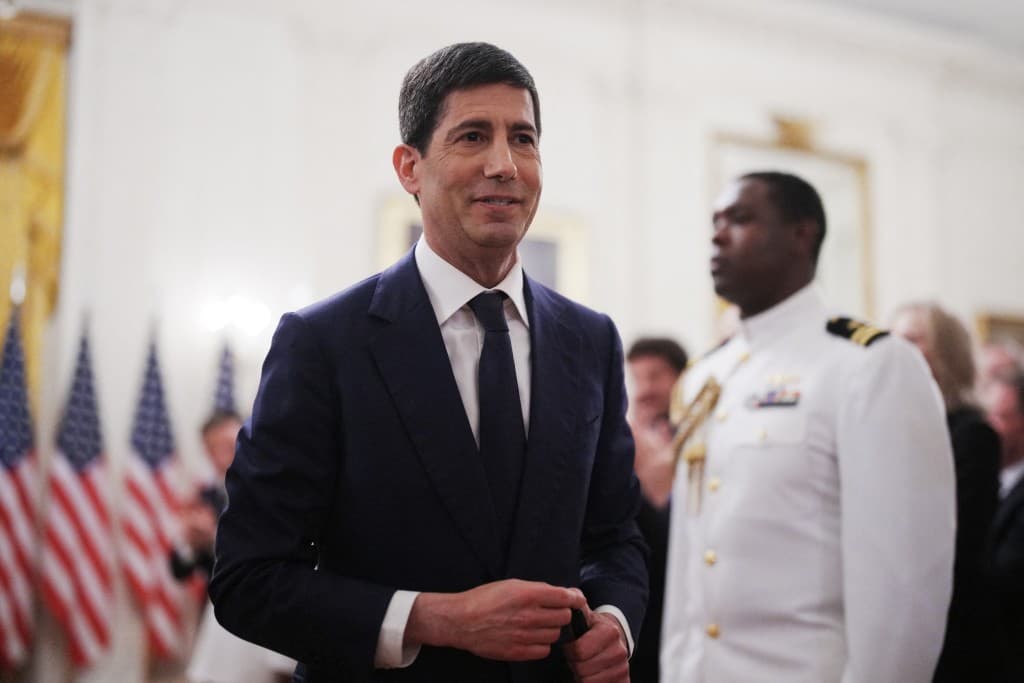
Kevin M. Warsh is leaning hard on Alan Greenspan’s legacy at the moment the Federal Reserve is once again deciding how much to say, and how much to withhold. Greenspan, the 13th Fed chairman, died Monday at 100 after leading the central bank from 1987 to 2006, a stretch that defined modern Fed power as much by low inflation and steady growth as by the criticism that followed the 2008 financial crisis.
Warsh made the comparison explicit at his White House swearing-in on May 22, when he took office as Fed chair for a four-year term ending May 21, 2030, while also becoming chairman of the Federal Open Market Committee. “I've known five of my predecessors in this job, some of them quite well. But Chairman Greenspan was the first to tell me and show me what this role demands,” Warsh said. The ceremony was notable because it was the first White House swearing-in of a Fed chair since Greenspan himself was sworn in there on August 11, 1987, with President Ronald Reagan presiding and then-Vice President George H.W. Bush administering the oath.
That symbolism matters because Greenspan’s reputation cuts in two directions. He is still associated with the long expansion and subdued inflation of the 1990s and early 2000s, the period when the Fed’s authority seemed to rest as much on judgment and discretion as on formal signaling. But he is also remembered for a style of central banking that left more to inference, and for the role critics later assigned him in the run-up to the 2008 financial crisis. As the Fed has spent decades becoming more open about its decisions, forecasts and economic outlook, any turn toward a Greenspan-like model would mark a significant shift in tone.
Treasury Secretary Scott Bessent has been described as a supporter of Warsh’s appointment and as sympathetic to a Greenspan-era view that central bankers should be cautious about tightening too quickly during periods of productivity gains and technological change. That thinking has clear implications for inflation and borrowing costs: if Warsh leans toward patience, households and businesses could face a slower path toward lower rates, even if officials believe supply-side improvements are still working through the economy.
Warsh’s first post-meeting news conference on June 17 offered the clearest early test. After the Fed left interest rates unchanged, he emphasized that he was listening closely to other committee members, a sign that the politics of independence will matter as much as the policy call itself. Whether Warsh is building a governing philosophy or simply borrowing Greenspan’s aura, the next phase of Fed leadership will hinge on how long he can defend restraint in an economy still wrestling with inflation, debt and a labor market that remains central to the outlook.
This article was produced by Prism’s automated news system from verified source data, official records, and press releases, then run through automated quality and moderation checks before publishing. The system is built and supervised by the people who set the standards it runs under. Read our full AI policy.
Did this article answer your question?