Warsh takes over Fed as inflation surges and rate cuts fade
Warsh inherited inflation at 3.8% and a market that is starting to price in a rate hike, not the cuts Trump wants.

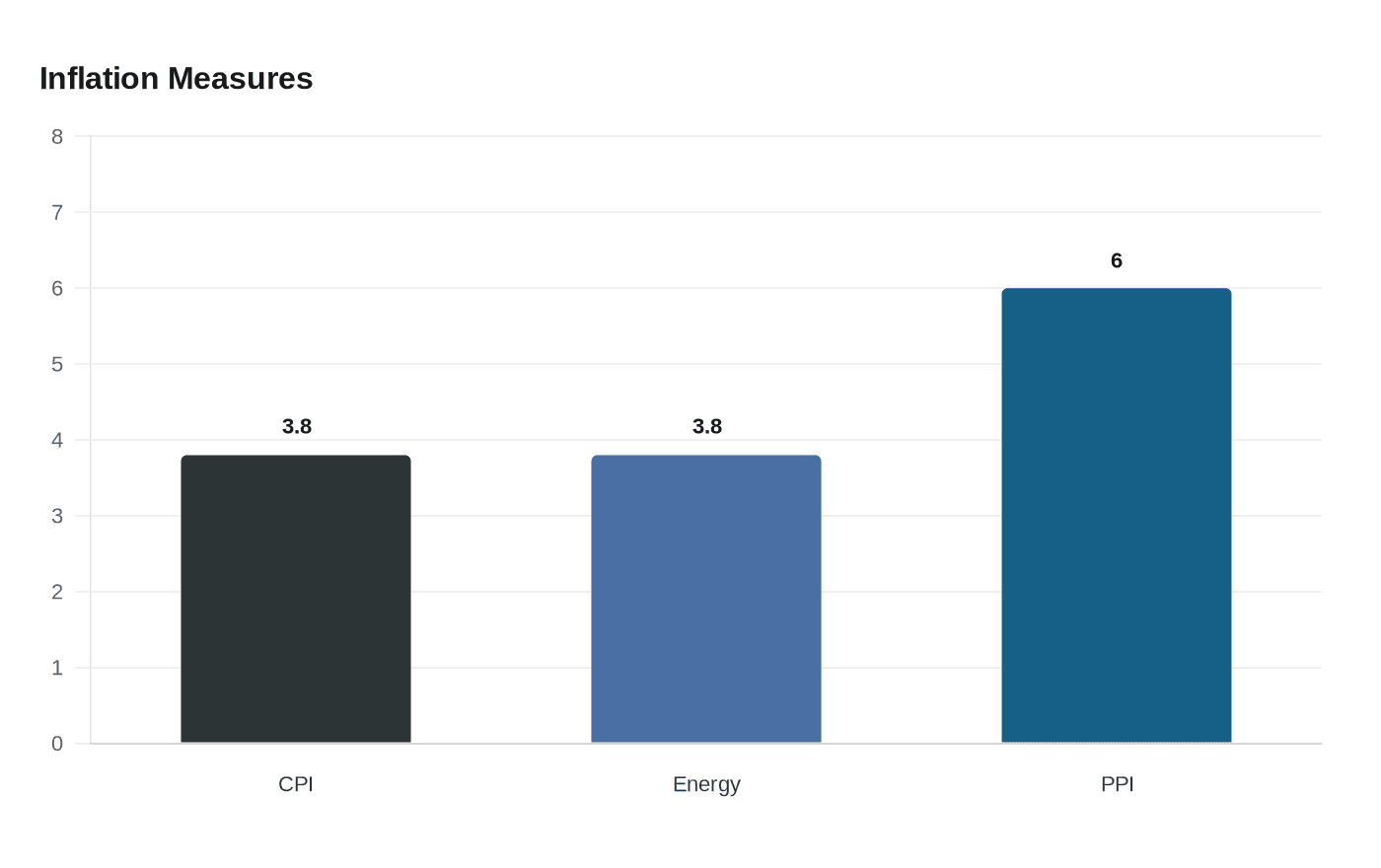
Kevin Warsh took control of the Federal Reserve at a moment when inflation is still running too hot for easy rate cuts and political pressure from the White House is unmistakable. The Consumer Price Index rose 3.8% in the 12 months ending in April 2026, and energy prices climbed 3.8% in the month, accounting for more than 40% of the increase. At the same time, the Producer Price Index for final demand jumped 6.0% over the year, its largest annual gain since December 2022.
Those numbers frame the first test for the new Fed chair. President Donald Trump nominated Warsh on March 4, the Senate confirmed him as a Fed governor on May 12 and as chair on May 13, and Warsh took office on May 22, 2026, for a four-year term ending May 21, 2030. The Federal Open Market Committee unanimously selected him as its chairman the same day. Trump told the audience at the swearing-in that he wanted Warsh to be “totally independent,” even as he has repeatedly pressed for lower interest rates.
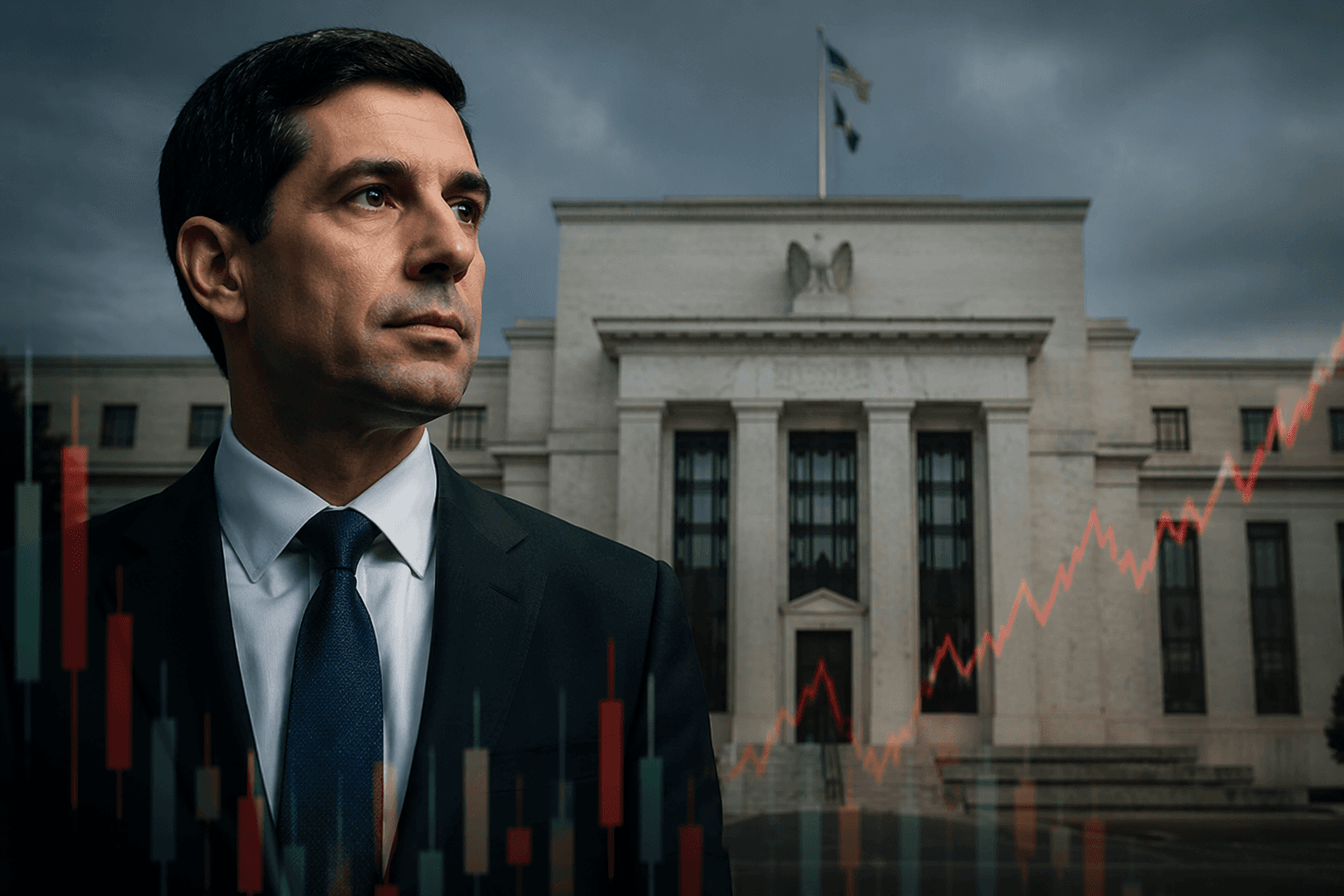
Warsh arrives with little room to maneuver. Inflation has been reaccelerating as gasoline prices tied to the Iran war feed through to consumers, and that is eroding sentiment at the same time the Fed is trying to preserve its credibility. The bond market has already begun to price in the possibility of a rate increase in 2026, a sign that investors are no longer assuming cuts are around the corner. For a central bank that spent much of the past two years preparing to ease, the policy debate has shifted from when to cut to whether the next move could be a hold, or even another hike.
Warsh has also signaled that he sees more than one lever to pull. In his April confirmation hearing, he said the Fed has both an interest-rate tool and a balance-sheet tool, a clue that his approach could blend standard rate policy with efforts to shrink the central bank’s footprint. That matters because the chair does not just set the tone for markets; the Fed Board says the chair leads the central bank’s principal monetary policymaking body and serves a separate four-year term while remaining a governor with a term that runs to 2040.
The result is a delicate early mandate. Every decision Warsh makes now will be read for what it says about the Fed’s independence, not just its inflation strategy. With prices rising, markets skeptical, and Trump demanding relief, the new chair begins his tenure under a spotlight that will not dim soon.
This article was produced by Prism’s automated news system from verified source data, official records, and press releases, then run through automated quality and moderation checks before publishing. The system is built and supervised by the people who set the standards it runs under. Read our full AI policy.
Did this article answer your question?

%3Amax_bytes(150000)%3Astrip_icc()%2FCertificate-of-deposit-2301f2164ceb4e91b100cb92aa6f868a.jpg&w=1920&q=75)
