Washington Bill HB2321 mandates 3D printers block firearm printing, criminalizes circumvention
Washington lawmakers introduced HB 2321 to require 3D printers sold after July 1, 2027 to block firearm printing and make circumvention a felony, reshaping how makers and manufacturers operate.
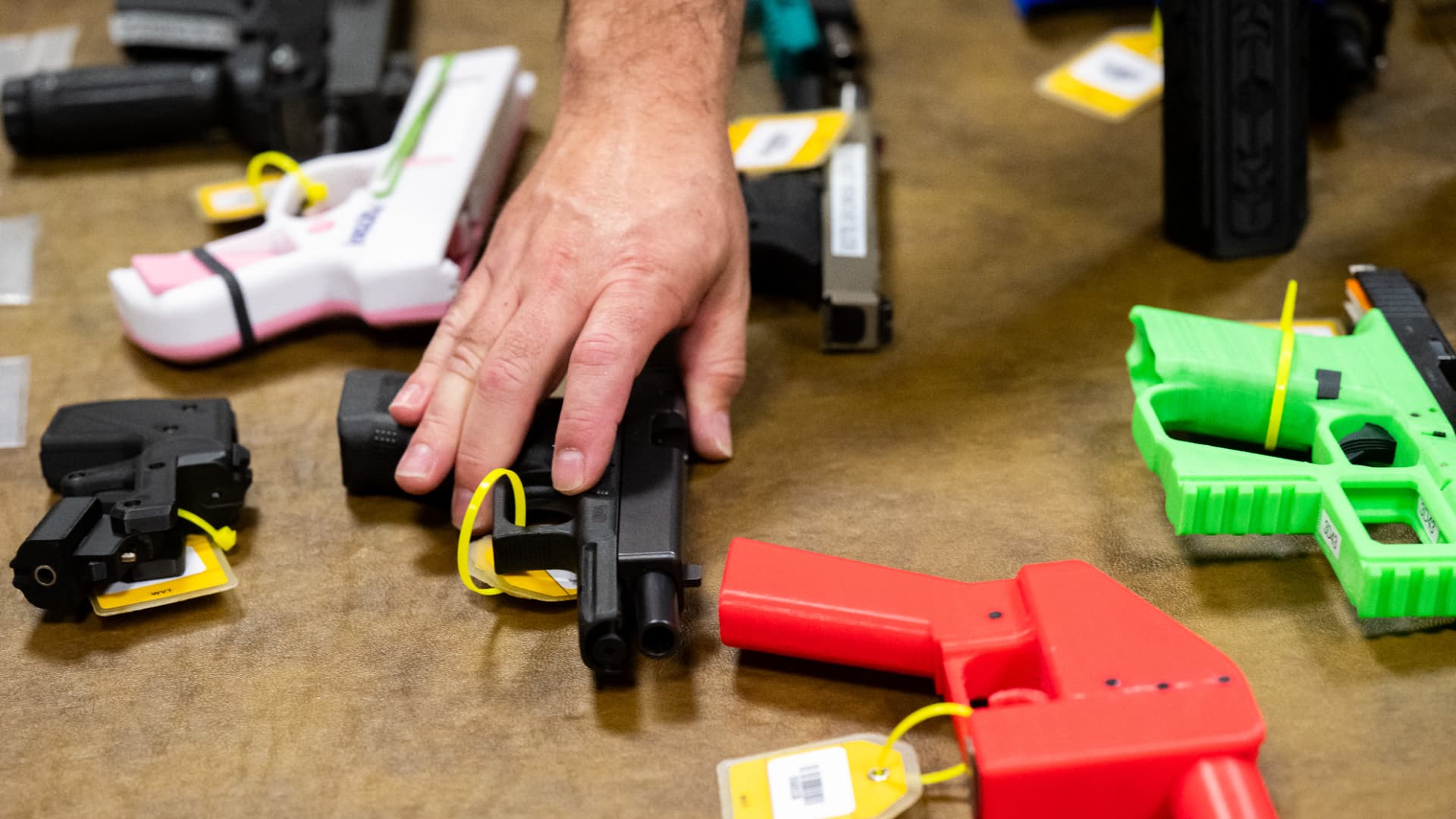
Washington lawmakers introduced HB 2321 on January 19, 2026, a bill that would force 3D printers sold in the state after July 1, 2027 to include blocking features that prevent printing firearms or firearm components. The measure targets both the digital vectors that carry blueprints and the hardware and firmware that execute prints, aiming to reduce the spread of untraceable "ghost guns."
The bill lays out three compliance routes for manufacturers. One option is embedding a firearm-blueprint detection algorithm directly into printer firmware so the device can detect and stop suspicious jobs before printing. A second route allows shipping preprint software that includes the detection algorithm, placing the check in the slicer or print host rather than the device. The third path is an authenticated handshake system: printers would require verified software or a signed authorization before accepting print jobs, effectively creating a trust chain between slicer, firmware, and machine.
HB 2321 also criminalizes circumvention. Deliberately bypassing blocking features could be charged as a Class C felony, carrying penalties of up to five years in prison and a $15,000 fine. The provision broadens liability beyond sellers to include those who manufacture or distribute tools intended to defeat the protections, which has immediate implications for developers of open-source firmware, plugin authors, and businesses that modify printers.
For the maker and small-fab community, the bill raises practical questions about repairability, modding, and the open-source ethos that powers a lot of desktop 3D printing innovation. Embedding detection in firmware or requiring signed handshakes would push manufacturers toward locked ecosystems and signed binaries, changes familiar to anyone who has dealt with closed bootloaders or vendor-signed updates. Shipping preprint software with detection could shift the enforcement locus to slicers and print host apps, affecting workflows and toolchains across Windows, macOS, and Linux.
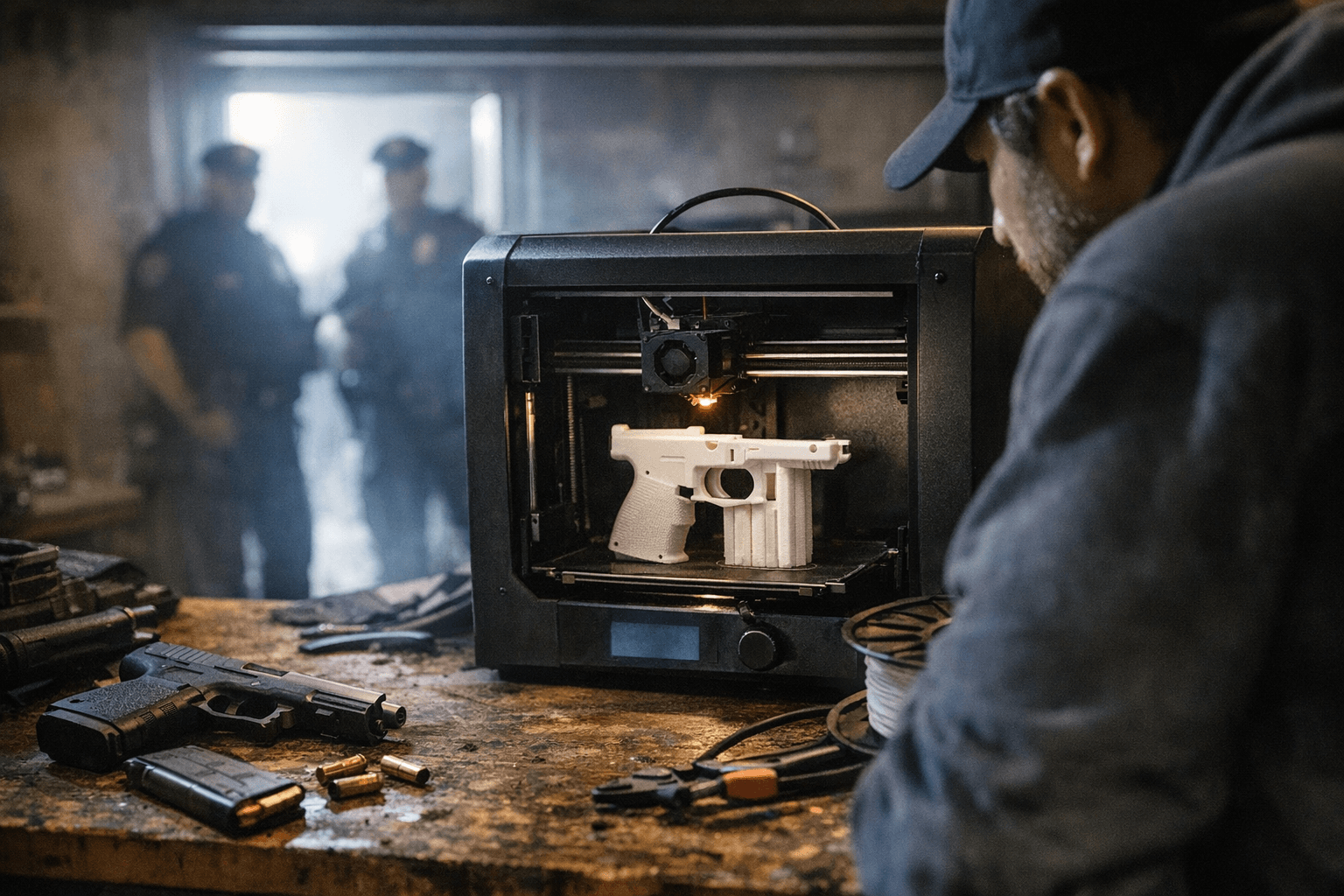
Enforcement and compliance remain open questions. The bill sets a clear criminal penalty for circumvention, but it does not detail certification processes, testing regimens, or how authorities will verify that firmware or software actually implements the mandated checks. That gap is likely to be the focus of later debate and rule-making if the bill advances.
HB 2321 arrives amid national conversations about balancing public safety, free speech, and manufacturing regulation. Similar measures have been proposed in other states, and the proposal will intensify disputes over whether code and design files are protected speech and how to govern tools that can be used for both benign and harmful ends.
If you build, buy, or develop for 3D printers in Washington, expect a two-year runway to adapt or respond. Verify firmware sources, consider the legal risks of distributing circumvention tools, and follow rule-making as the bill moves through the legislature. The outcome will shape not just how printers are sold, but how open and modifiable those machines remain.
Know something we missed? Have a correction or additional information?
Submit a Tip