Washington mill tank rupture killed 11 workers with chemical burns
All 11 workers who died in the Longview mill rupture suffered chemical burns, exposing a tank that held 900,000 gallons of white liquor and was never routinely inspected.
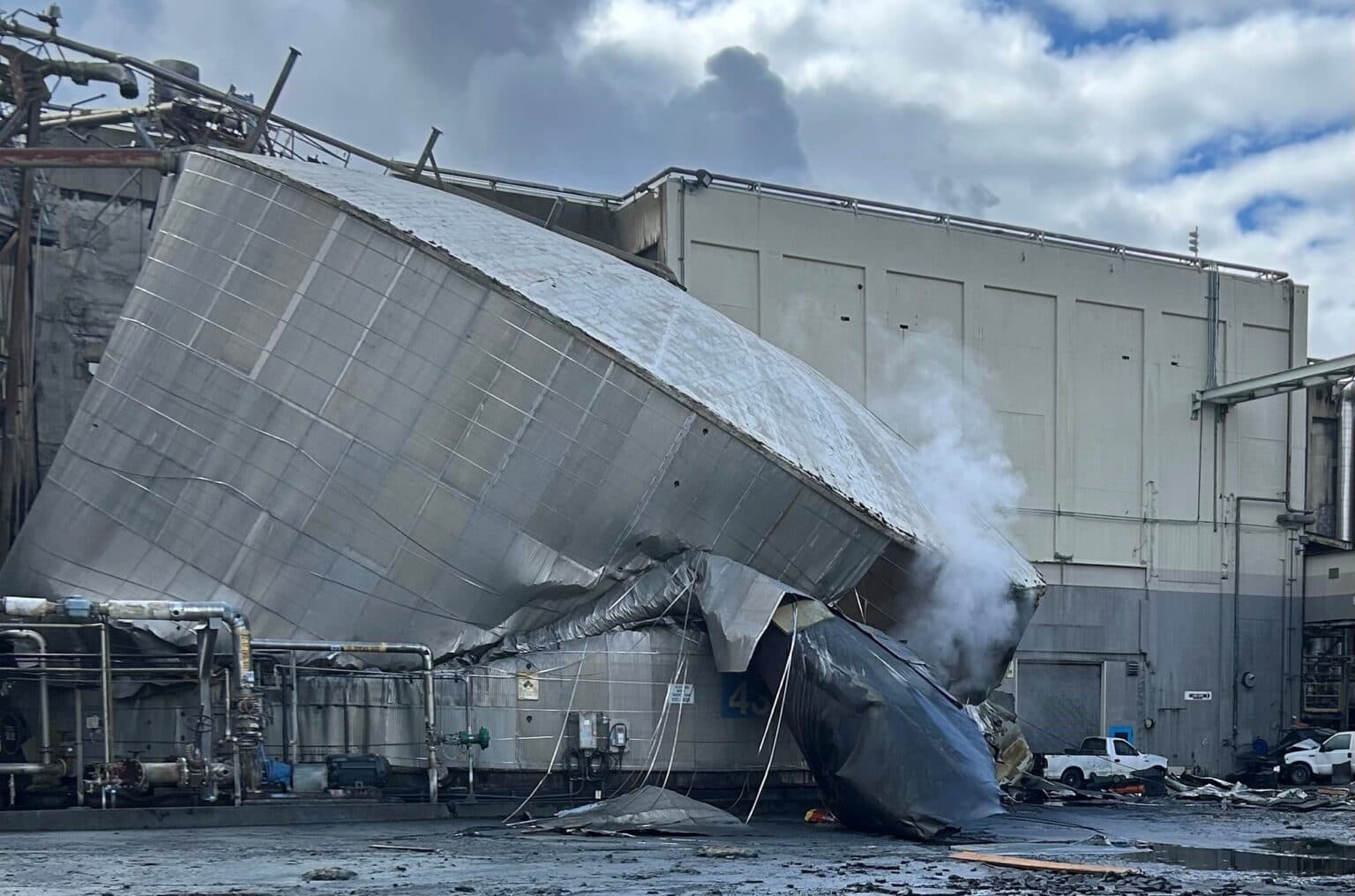
All 11 workers killed in the tank rupture at Nippon Dynawave Packaging died from chemical burns, a finding that sharpens scrutiny of how a 900,000-gallon vessel failed at a mill handling a highly corrosive paper-making chemical. The blast hit just before 7:15 a.m. on May 26 during a shift change in Longview, Washington, about 50 miles northwest of Portland, when workers were gathered near the tank and more than 500,000 gallons spilled.
The coroner’s findings show how violent the rupture was. Eight of the 10 autopsies released so far listed alkaline chemical burns as the cause of death. Robert Wilson, 48, died from alkaline chemical burns and blunt force injuries, while Braydon Finkas, 38, died from alkaline chemical burns and asphyxia due to aspiration of a foreign object. Dillon Miller, 27, died at a Portland hospital from sodium hydroxide and sodium sulfide burns, consistent with the other alkaline-burn deaths.
The tank held white liquor, a caustic mixture of sodium hydroxide, sodium sulfide and disodium carbonate used in the paper-making process. It was roughly two-thirds full when it failed, sending corrosive liquid across the mill site. State and federal agencies are still examining what safeguards were in place and what broke down, but investigators have already identified a major oversight gap: above-ground white-liquor tanks are not required to undergo routine state or federal inspections, leaving maintenance and inspection responsibility with the company.
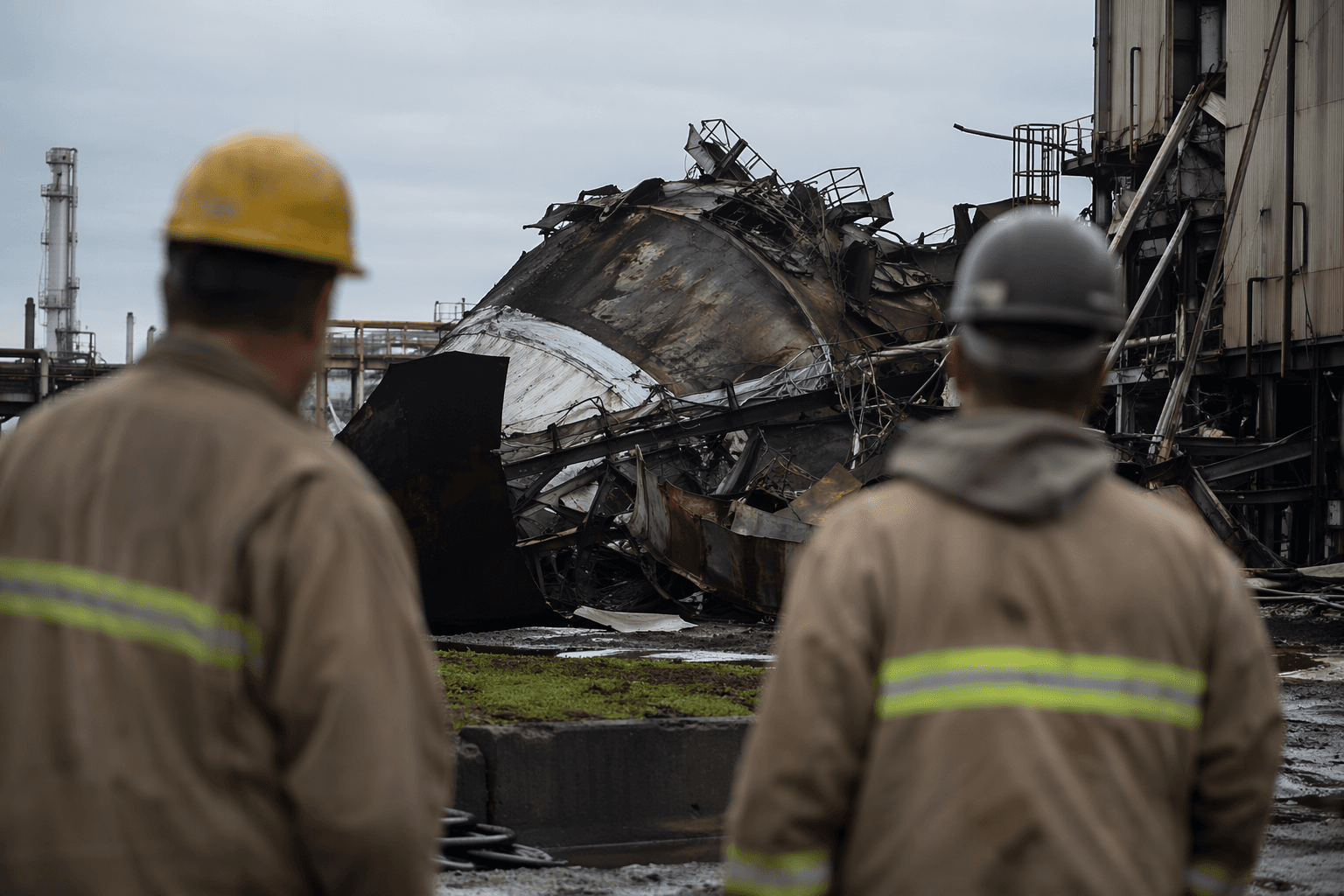
The disaster killed 11 workers and injured eight others, including one firefighter, making it one of the deadliest U.S. workplace accidents in recent decades and, Washington officials say, the deadliest industrial accident in modern state history. Recovery was slow because hazardous materials contaminated the scene, and the site had to be decontaminated before remains could be turned over to the coroner.
Cowlitz County Coroner Dana Tucker called the tragedy one of the most significant the community has faced since the Mount St. Helens eruption in 1980. Nippon Paper Group, the Japanese parent company, said it offered its deepest condolences and heartfelt sympathies to the bereaved families.
This article was produced by Prism’s automated news system from verified source data, official records, and press releases, then run through automated quality and moderation checks before publishing. The system is built and supervised by the people who set the standards it runs under. Read our full AI policy.
Know something we missed? Have a correction or additional information?
Submit a Tip