Washington sees record pace of dead gray whales, scientists cite malnutrition
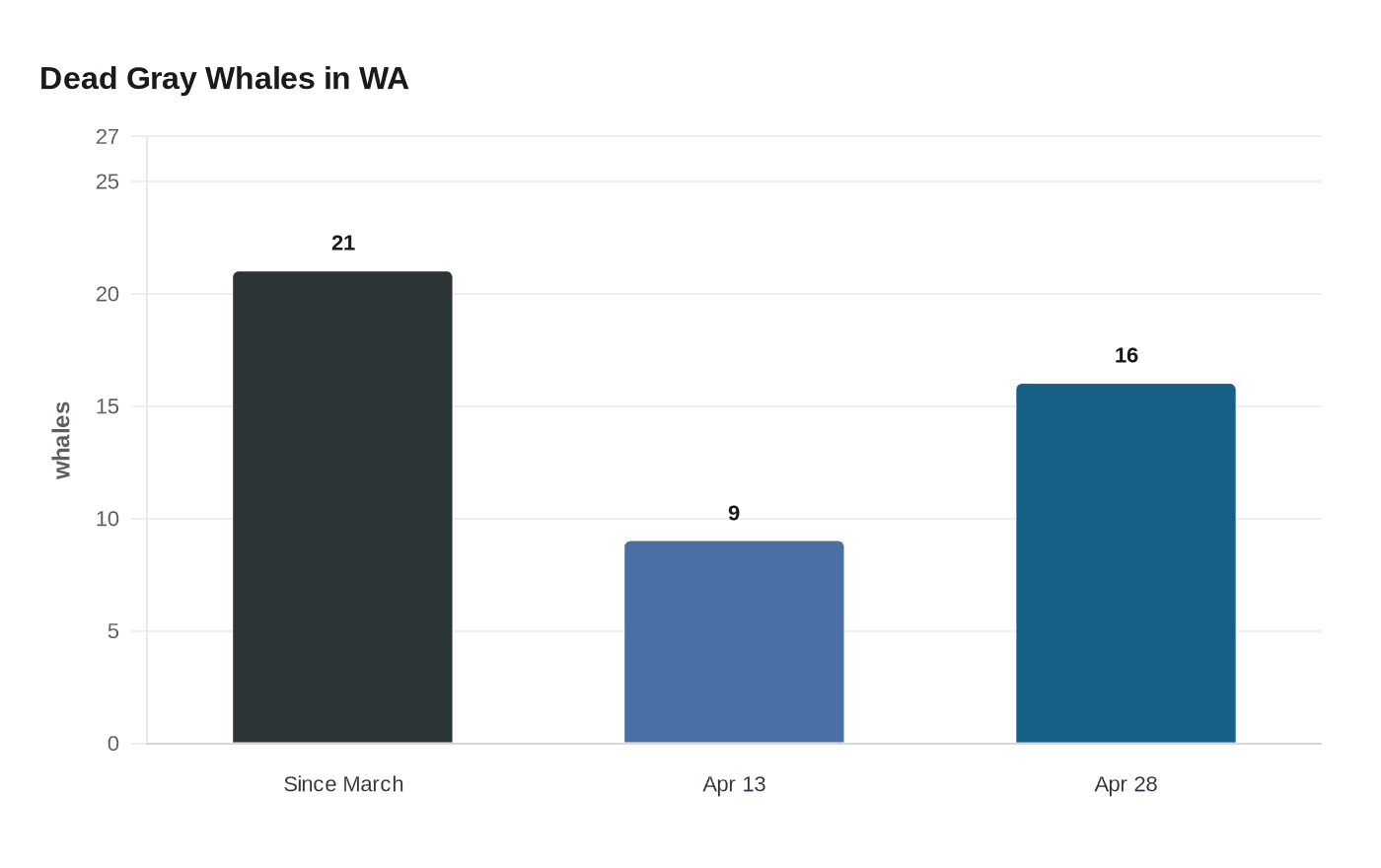
Dead gray whales are washing up at a record pace in Washington, with 21 since March and malnutrition showing up in many examinations.
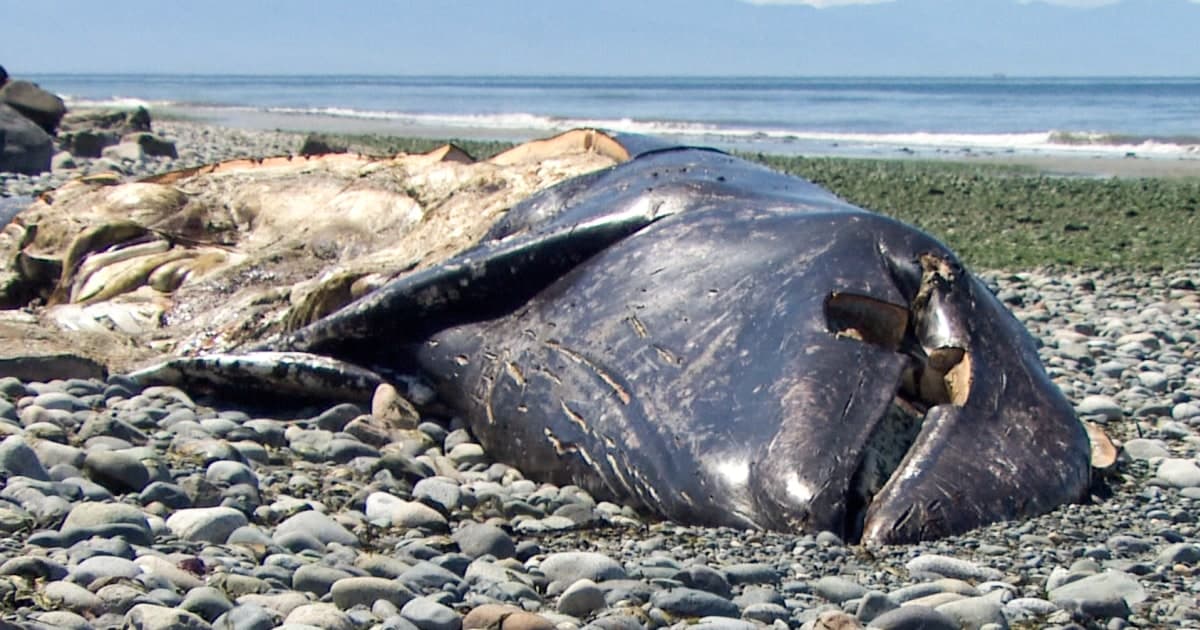
Washington’s shoreline has become an early warning line for gray whales in distress. Since March, 21 dead gray whales have turned up along the state’s coast, the fastest pace of deaths Washington scientists have recorded at this point in the year, and malnutrition has been the most common finding in examined carcasses.
The toll climbed quickly. By April 13, Cascadia Research Collective had counted nine dead gray whales in Washington, including six found since April 1, the highest annual number the group had ever recorded by that date. By April 28, the total had reached 16. Gray whale strandings in Washington usually run from April through June, with May typically the peak month, which makes this year’s spike especially concerning because it arrived unusually early and kept rising.
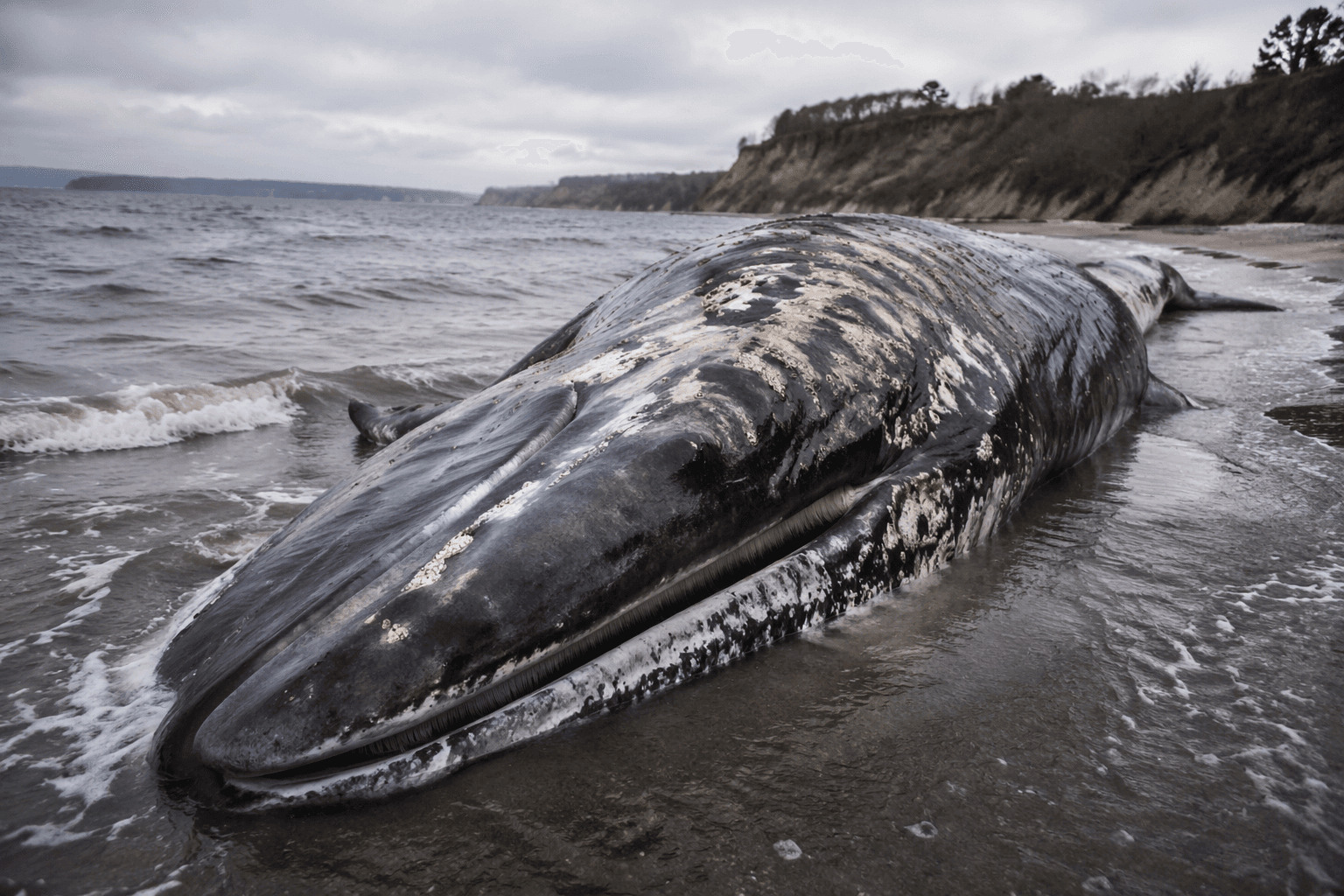
The deaths are part of a larger pattern that has worried researchers since 2019. NOAA Fisheries says the eastern North Pacific gray whale population, the stock that migrates along the U.S. West Coast, travels about 12,000 miles round trip between Arctic feeding grounds and wintering waters in Mexico. The population had rebounded enough to be estimated at nearly 27,000 animals in 2016, but that recovery was set back when an Unusual Mortality Event began in December 2018 and ran until November 9, 2023.
That event involved 690 gray whale strandings across the United States, Mexico and Canada. NOAA concluded the most likely cause was localized ecosystem change in the northern Bering and Chukchi seas, including reduced access to prey and lower prey quality, which left whales in poor nutritional condition and reduced calf production. The agency says calf production has remained low since 2019, and the latest estimate, 85 calves in 2025, was the lowest in the time series.

Researchers tracking body condition say that same stress is still showing up in Washington. Cascadia has reported malnourished whales in places including Ocean Shores, Taholah, Olympic National Park, Anacortes, Moclips, Willapa Bay and the Willapa River, along with cases in offshore southern Washington waters and Puget Sound. Some live whales may still be able to reach productive feeding areas, but others, including one that swam up the Willapa River, appear debilitated and more exposed to ship strikes, entanglements and killer whale attacks.
John Calambokidis of Cascadia has said he is alarmed by the pace of deaths. The Washington Department of Fish and Wildlife says gray whales in the North Pacific are split into two stocks, that the eastern North Pacific population has recovered, and that gray whales in Washington are a state-listed sensitive species. NOAA calls gray whales ecosystem sentinels, a reminder that their condition reflects broader changes in ocean and Arctic conditions now unfolding along the West Coast.
This article was produced by Prism’s automated news system from verified source data, official records, and press releases, then run through automated quality and moderation checks before publishing. The system is built and supervised by the people who set the standards it runs under. Read our full AI policy.
Did this article answer your question?