Wearable Sculpture, Brooch Revival and Runway Influence Dominate Collect 2026
Collect 2026 made the case for jewelry as wearable art—sculptural one-offs, a brazen brooch comeback and runway cues are steering what collectors and stylists covet.
Collect has always billed itself as London’s high‑profile contemporary jewelry fair that gathers creators of art and small ateliers, and the fair’s 2026 moment felt less like a market update and more like a manifesto: a renewed focus on wearable sculpture, a brooch renaissance that refuses to be quaint, and runway signals that are translating couture theatrics into daily adornment.
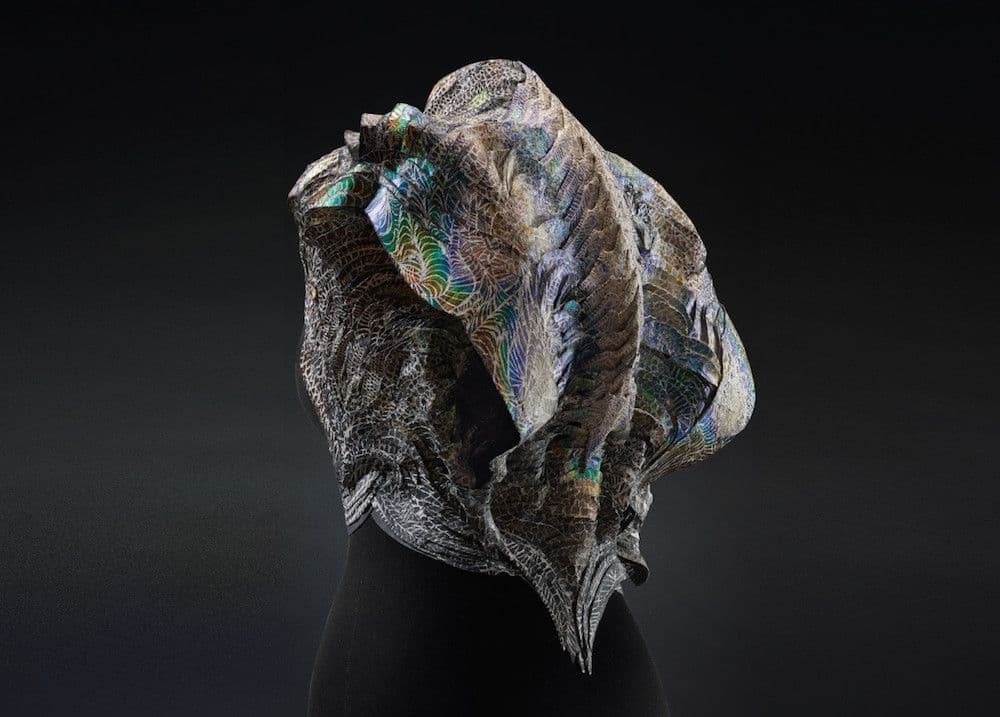
Wearable sculpture The clearest evidence of jewelry as sculpture arrived in the showstopper language of high craft. Louise O’Neill’s Labyrinth Brooch—executed in 18ct yellow and white gold and priced at £13,500 ($18,160)—was presented as more than ornament: “Yes, that price is correct. And yes, it's worth every penny if you want a wearable work of art that will outlast every trend cycle for the next century.” The brooch is described as “handcrafted, one of a kind, and built to become someone's most treasured inheritance,” language that positions it as an heirloom-scale object rather than a seasonal accessory. That same sculptural impulse echoes across the high jewellery houses noted in gallery and editorial coverage—collections such as Boucheron’s Untamed Nature, Dior’s Diorexquis and Mikimoto’s Les Pétales—where brooches and three‑dimensional motifs are treated as miniature installations you can pin to a lapel.
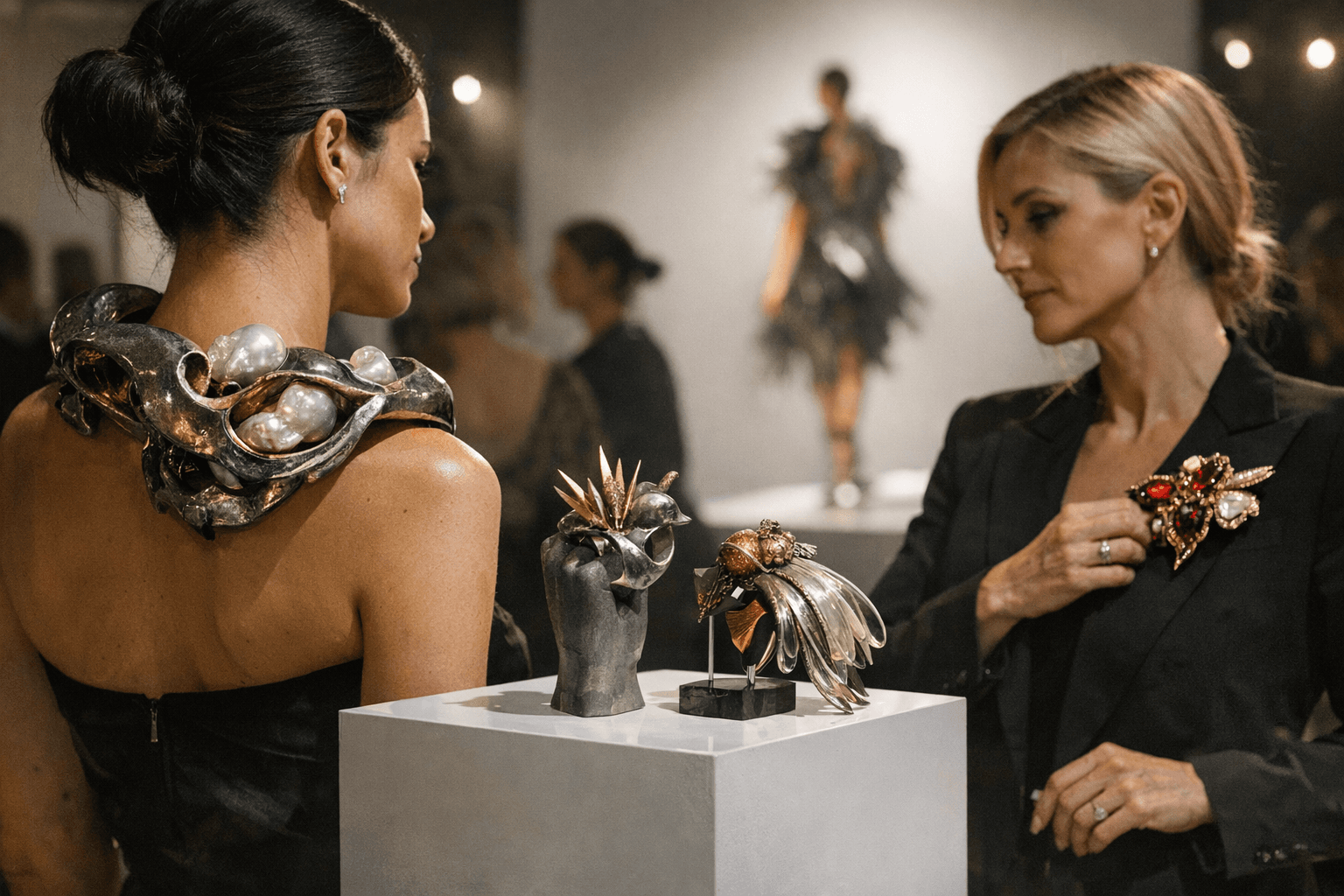
Brooch revival If sculptural work provided the aspirational apex, the democratic face of the trend showed up in pins small enough to rewire everyday dressing. “Brooch Jewellery Is Back And Refusing To Apologize,” ran a headline in coverage of Collect, and the platform data underlines the cultural surge: searches for “brooch aesthetic” are up 110% on Pinterest, while “maximalist accessories” rose 105%, with the brooch “sitting in star position” on the platform’s 2026 predictions. That momentum spawns two ways of wearing a pin: the exquisitely singular, like O’Neill’s gold piece, and the quietly contemporary, like Kate Bajic’s Emerge Brooch—sterling silver set with dendritic agate on a stainless‑steel pin, measuring 5.5 × 6 × 0.5 cm and priced at £1,125 ($1,513). Bajic, based in Leicestershire, “has been making the case for the contemporary brooch for over two decades,” drawing direct inspiration from lichen micro‑textures she studies through photography, sample collection and drawing; “the result is jewellery that feels ancient and completely current at the same time.” The contrast between O’Neill’s heirloom ambition and Bajic’s handcrafted modernity is exactly why the brooch has escaped being a mere nostalgia item: it is both collectible and wearable, able to fasten a scarf or punctuate a blazer with equal conviction.
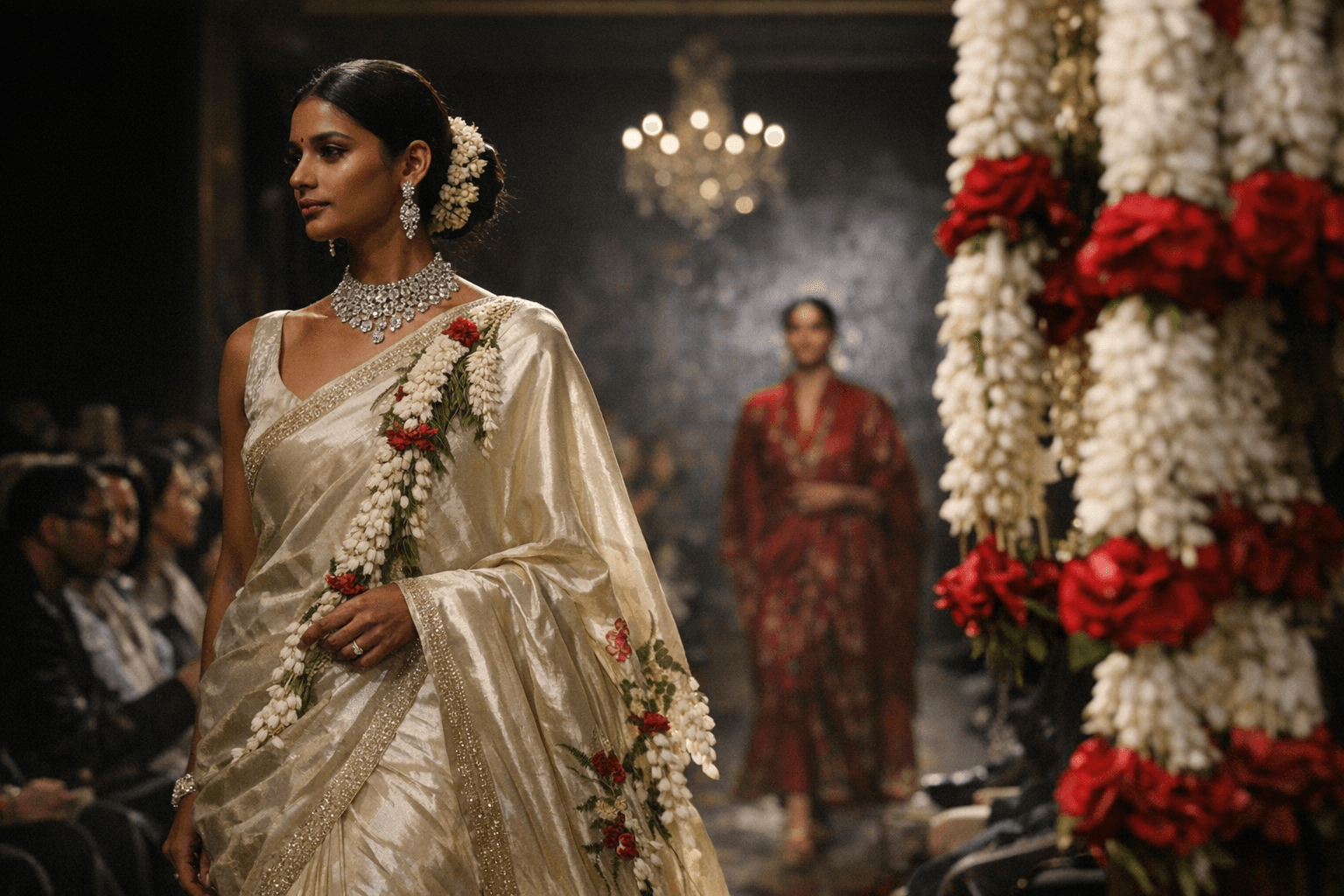
Runway influence and cultural drivers Brooches are not reviving in isolation; runways and street style provided the mechanics of adoption. At New York Fashion Week’s Fall 2026 runways designers including Ralph Lauren, Khaite, Tory Burch, Altuzarra, Sergio Hudson, Coach and Sandy Liang “showed their own takes on the pin‑on accessory,” using brooches as fasteners for scarves, tops and skirts or as standalone statements. In London, street‑style reporting captured a broader jewelry moment—“From Cool‑Girl Pearls To Bold Brooches, How Londoners Are Wearing Jewellery Now”—where hair jewels, tiaras and stacked rings sit alongside pins as visible vocabulary. Vogue’s dispatch even prescribes attitude: “Channel Courtney Love and pair your crystal hair pieces with rebellious silhouettes, like patchwork denim, hooded sweatshirts and witchy boots,” which explains why a once‑formal object now reads punk or personal depending on context.
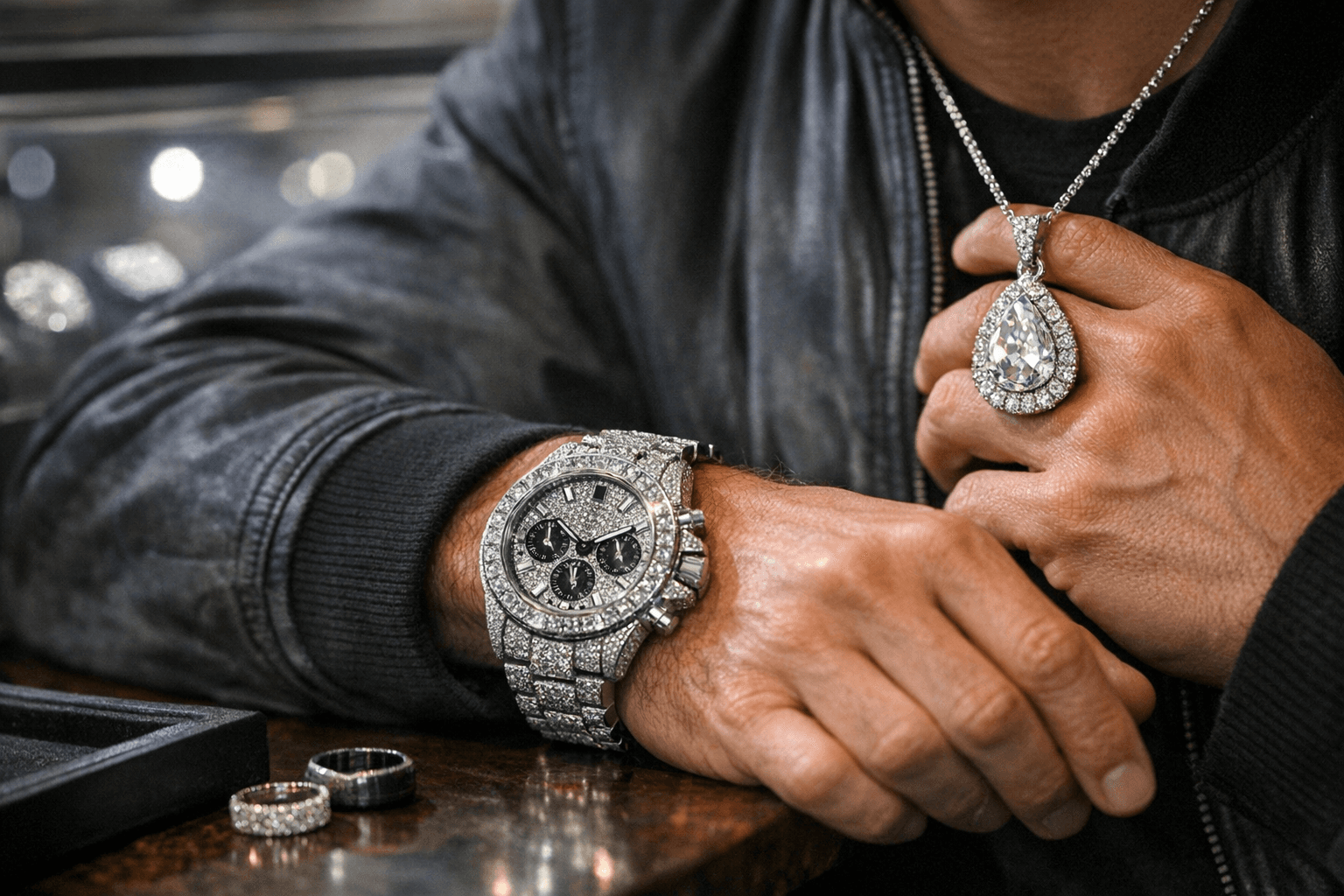
The runway ripple extends into categories beyond the pin. Editorial and retail roundups point to long tassel necklaces, mixed metals, resin and wood accents, and super‑stacked rings as co‑trends; WhoWhatWear’s product lists and The Jewellery Store London’s styling rules—“Balance is Key: Distribute slim bands across multiple fingers rather than stacking heavily on one,” and “The Metal Meet‑Up: The Jewellery Store London champions the mixed‑metal look”—translate catwalk gestures into wearable choreography. Cultural catalysts widen the lens further: Veranda situates a classical revival—spurred in part by Christopher Nolan’s The Odyssey premiering in summer 2026—alongside a collector’s appetite for antique forms. That appetite has an auction‑house echo: Frank Everett, Sotheby’s Director of Jewelry, predicts “2026 will be ‘the year of the antique cushion‑cut engagement ring,’” noting how a 10‑carat antique elongated cushion and high‑profile rings have moved collecting tastes.
What to take to the bench or the jeweler Collect 2026 made clear that investment decisions and styling choices now require two considerations: the object’s narrative and its construction. For sculptural pieces, provenance and handwork matter—the Labyrinth Brooch’s one‑of‑a‑kind, handcrafted status is part of its value proposition—while for contemporary pins like Bajic’s, material choices (sterling silver, dendritic agate, the practicality of a stainless‑steel pin) and maker backstory are the selling points. Pinterest’s surging interest and the ready translation of runway ideas into street style mean collectors and buyers should expect demand for both statement brooches and wearable sculptural work to intensify.
Collect 2026 did what the fair has always done best: it allowed makers and collectors to stage a conversation in objects. From Louise O’Neill’s gold labyrinth to Kate Bajic’s lichen‑textured silver, the show framed jewelry as both sculpture and language—pinned, stacked, twined into hair and layered over denim—while runways and platforms amplified the grammar. If you measure a trend by the number of hands reaching for it, the brooch’s return—and the wider runway cues for pearls, hair jewels and stacked rings—suggests a season in which adornment will once again read as deliberate, narrative and unashamedly visible.
Know something we missed? Have a correction or additional information?
Submit a Tip