Week in Review: Cruisers' Guide to Transatlantic Racing, Refit and Safety
What you'll learn: practical updates on RORC transatlantic racing, DIY refit takeaways, and offshore safety essentials for cruisers.
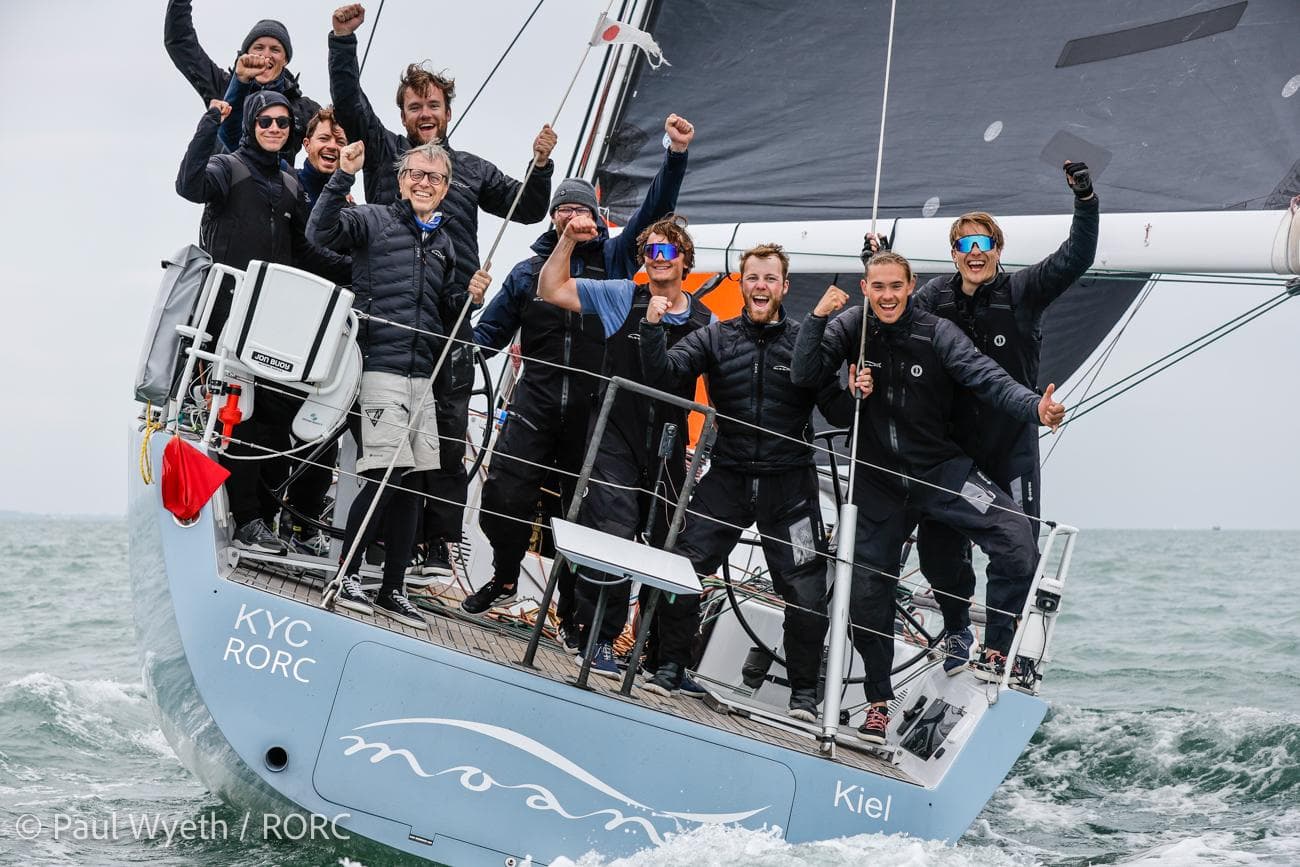
1. RORC transatlantic race: what happened and why it matters
The multihull Argo set a record in the race, showing how modern trimaran design and weather-routing can push passage speeds into a new bracket. For cruisers, that performance highlights the payoff from optimizing sail plan, reducing weight and paying attention to routing through the trades; those are the same levers you use on a long passage even if you’re not aiming for a record. Monohull competitors' steady progress reinforces that conservative routing and incremental sail changes, reef early, trim later, still win safe, comfortable miles for cruising crews.
2. Weather and trade-wind lessons for passage planning
The race underlined the importance of timing departures to the trades, reading pressure gradients and watching for tropical influences that alter typical wind fields. Translate that to your planning: pick weather windows that minimize upwind slog, and build redundant routing options in your plan so you can play the trades rather than be played by them. Practical passage-planning means daily GRIB checks, an alternative plan for calms or squalls, and conservative daily mileage goals that match your crew’s endurance.
3. Club and class racing: ILCA Nationals and youth training camps
Local racing like the ILCA Nationals in New Zealand and youth training camps remind us that basic boat-handling is not optional, it’s seamanship. Small-boat work sharpens tacks, starts and boat balance, which pays off in heavy-weather sail handling and reefing aboard cruisers. Encourage youth and novice sailors into rotation at the club: short, intense sessions build muscle memory faster than occasional long sails, and clubs are the best place to swap hands-on tips and tool recommendations.
4. Industry & expo takeaways from boot Düsseldorf and similar events
Presenters at recent industry events focused on refit, repair and offshore-safety best practices, useful even if events are ephemeral. Key recurring themes were systems-first thinking (electrics, fuel, steering) and choosing robust, maintainable materials over the cheapest quick fix. Translate show-floor demos into a prioritized plan: inspect critical systems, get simple diagnostics (battery load tests, alternator charging curves), and select proven replacement parts rather than experimental gear when you intend offshore miles.
- Inspect and service all seacocks and through-hulls; replace suspect plumbed skin fittings.
- Test bilge pumps, add redundancy and install float switches on separate circuits.
- Replace compromised standing rigging, and tension-check chainplates and terminal fittings.
- Refresh fuel filters, clean tanks if water or sludge is suspected, and carry spare primary filters.
5. Practical refit checklist for the do-it-yourself cruiser
A refit can swell to full-time work if not scoped; prioritize seaworthiness first, creature comforts later. Start with watertight integrity, through-hulls and seacocks, hull-deck joints and chainplates, then move to propulsion and steering; a reliable engine and sound rudder bearings are non-negotiable. Electrical systems deserve a full audit: inverter/charger health, battery capacity vs. expected loads, and separation of house vs. starting circuits. For practical steps:
6. Offshore safety standards and training expectations
Recent guidance from racing and safety organizations nudges organizers and crews toward higher equipment and training baselines for offshore work. Expected items now routinely include AIS, EPIRB, liferaft certified to your crew size, and personal AIS beacons or PLBs for each watchkeeper; also, practical sea-survival and medical training is increasingly required for organized passages. For DIY cruisers, adopt the same checklist: log equipment service dates, rehearse liferaft and MOB deployments annually, and run scenario-based drills to ensure crew competence under stress.

7. Crew skills, clinics and how to make training stick
Hands-on clinics, especially sail-trim, heavy-weather handling and emergency-response drills, deliver the best return on time investment. Schedule short, frequent sessions: MOB drills, sail changes under way, and winch maintenance are quick wins you can practice repeatedly. Leverage club connections for rigging demos, and bring beginners to a couple of club races to learn starts and crewwork; the community barters knowledge freely and keeps local tricks alive.
8. Passage-planning quick checklist for transatlantic or offshore trips
When prepping for a long offshore leg, tick a short, disciplined checklist that covers safety, systems and provisioning. Confirm communications (VHF DSC, SSB or satellite backup), chart and e-navigation redundancy, current medical supplies and spare parts, and a realistic watch schedule that accounts for sleep recovery. Don’t forget provisioning that factors in weather delays, and build in a final systems dry-run under sail the day before departure to surface any weak links.
9. Community resources and continuing coverage
The week’s roundup is compact but connects you to more detailed threads, racing lines, refit case studies and safety rule changes, that your local club and online forums will unpack in the weeks ahead. Use those channels to source secondhand gear, ask for local rigger recommendations, and find hands-on volunteers for a tough refit task; community tradecraft is often the cheapest and most reliable resource. Keep contributing your lessons learned back to the group; the best fixes are the ones you share at the bar after the sail.
10. Final practical wisdom
Start your next refit with a safety-first triage, keep training frequent and bite-sized, and let race developments guide, not dictate, your passage choices; being ready beats being fast when weather turns. Take one systems audit and one drill per month, and you’ll arrive offshore with a boat that’s both seaworthy and a little smarter than it was last season.
Know something we missed? Have a correction or additional information?
Submit a Tip

