Weinstein returns to court as rape retrial jury resumes deliberations
Jurors in Harvey Weinstein’s rape retrial resumed deliberations after he returned to court a day after chest pains, deepening a case already tied to #MeToo and repeated appeals.

Harvey Weinstein returned to Manhattan Supreme Court on Thursday as jurors resumed deliberations in his rape retrial, a day after he reported chest pains in the courthouse. The 74-year-old former film executive appeared pale but alert and told people in the courtroom that he felt “good, fine,” even as the case moved back into the jury room.
The interruption briefly put Weinstein’s health in front of the retrial, but the center of gravity remained on the charge itself: Jessica Mann’s allegation that Weinstein raped her in a Manhattan hotel room in March 2013. Jurors had already asked to rehear part of Mann’s testimony and to review a prosecution timeline of emails and other evidence, a sign they were working through chronology and credibility rather than rushing toward a verdict. Defense lawyers, prosecutors and Judge Curtis Farber met after court officers said Weinstein was having chest pains, then allowed the proceedings to continue.
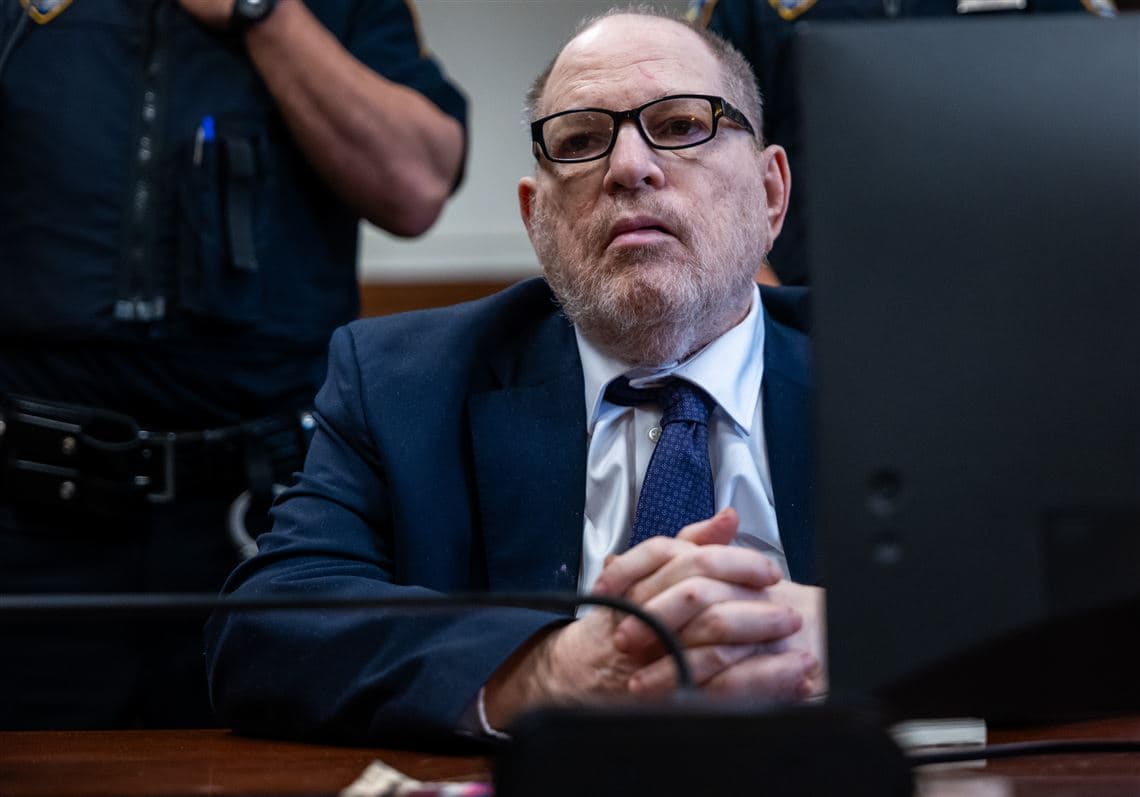
The trial is Weinstein’s third New York City rape trial and another test of how much force remains behind the accountability movement that followed the original wave of #MeToo allegations. Jury selection began in mid-April 2026, opening statements came on April 21, 2026, and the panel consists of seven men and five women. Mann testified that she met Weinstein around early 2013 while trying to break into acting, and prosecutors have used emails, texts and a chronology of events to argue that the hotel-room encounter was rape. Weinstein has pleaded not guilty and denied sexually assaulting anyone.

The retrial also carries the weight of the legal reversals that have defined the case. Weinstein’s 2020 New York conviction was overturned on appeal, and a prior New York retrial ended with a guilty verdict on first-degree criminal sexual act involving Miriam Haley, an acquittal on a charge involving Kaja Sokola and no unanimous verdict on the Mann rape charge. Weinstein is also serving a 16-year sentence from a separate California conviction, so the New York outcome will not change his prison status, but it will shape the remaining criminal record of a case that once stood as one of the defining legal reckonings of the #MeToo era.
This article was produced by Prism’s automated news system from verified source data, official records, and press releases, then run through automated quality and moderation checks before publishing. The system is built and supervised by the people who set the standards it runs under. Read our full AI policy.
Did this article answer your question?