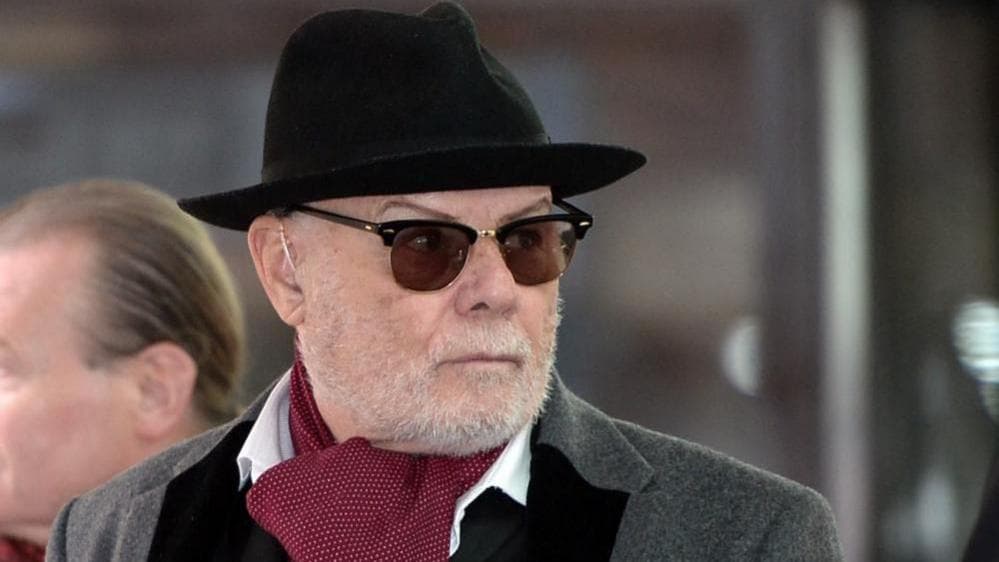
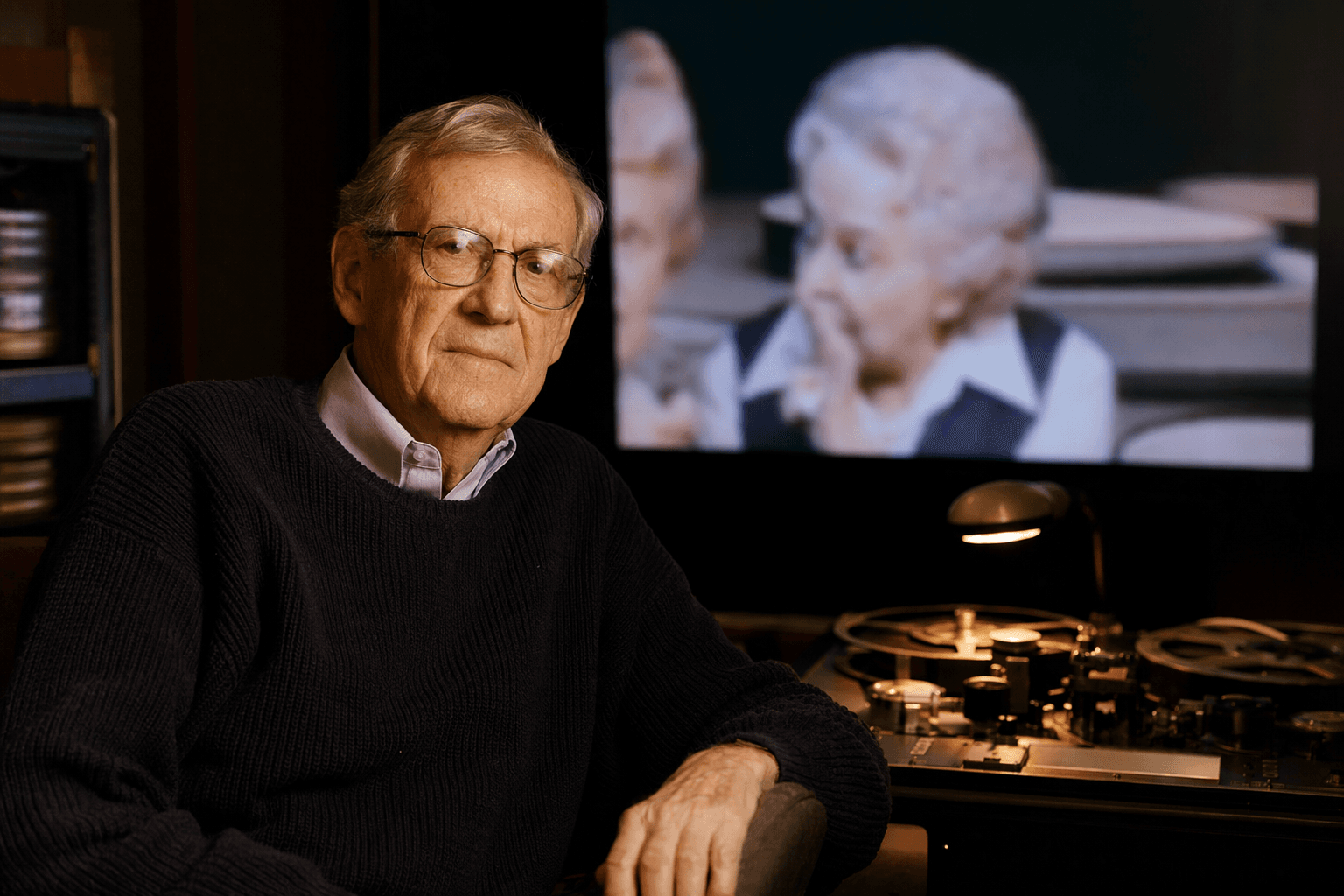
Joe Sedelmaier, director behind Wendy's 'Where's the beef?' dies at 92
Joe Sedelmaier turned everyday faces into pop-culture shorthand, from Wendy’s “Where’s the beef?” to FedEx’s speed-talking man. He died at 92 in Chicago.

Joe Sedelmaier made American advertising feel less like a sales pitch and more like a joke everyone could repeat. The Chicago commercial director, whose offbeat TV spots helped turn catchphrases into part of daily speech, died of natural causes at home in Lincoln Park on May 8, 2026. He was 92.
Over a career that stretched across nearly 1,000 commercials, Sedelmaier became known for giving brands a comic voice and for insisting on control over every frame. He favored regular people over polished actors, a choice that gave his work a loose, human quality at a time when commercials often looked slick and staged. His ads for Jartan Truck Rentals, Alaska Airlines, Southern Airlines, Mr. Coffee and Valvoline motor oil helped define that style in the 1970s and 1980s, when TV spots were becoming as memorable as the products they sold.
His most famous work came in 1984, when Wendy’s aired the commercial that made Clara Peller a national figure. Peller, a manicurist and beautician from Hyde Park, had been found by a crew member in a nearby salon. In the ad, she stared at a rival burger and delivered the line, “Where’s the beef?” The phrase quickly entered the lexicon, and Democratic presidential candidate Walter Mondale used it later that year in a debate against Gary Hart. The spot was built from a concept developed by copywriter Cliff Freeman at Dancer Fitzgerald Sample, but Sedelmaier’s direction gave it the deadpan timing and ordinary-girl authority that made it stick.
Another landmark came three years earlier, with FedEx’s 1981 “fast-talking man” ad starring John Moschitta Jr., who became known as the world’s fastest talker. Like the Wendy’s spot, it relied on a performer whose personality, not polish, carried the joke. That approach was central to Sedelmaier’s method, and it helped shift commercial filmmaking toward a more conversational, character-driven style.
The result was influence far beyond one agency or one decade. Chicago media and advertising writers said Sedelmaier showed ordinary people with dignity, while Roger Ebert praised filmmakers who made it more acceptable for movie stars to look like real people. Marsie Wallach later assembled a documentary retrospective on Sedelmaier’s career, underscoring how deeply his work had entered the culture. In the end, Sedelmaier’s commercials did more than sell burgers, coffee and oil. They helped teach modern politics and commerce how to be funny, quotable and impossible to forget.
This article was produced by Prism’s automated news system from verified source data, official records, and press releases, then run through automated quality and moderation checks before publishing. The system is built and supervised by the people who set the standards it runs under. Read our full AI policy.
Did this article answer your question?