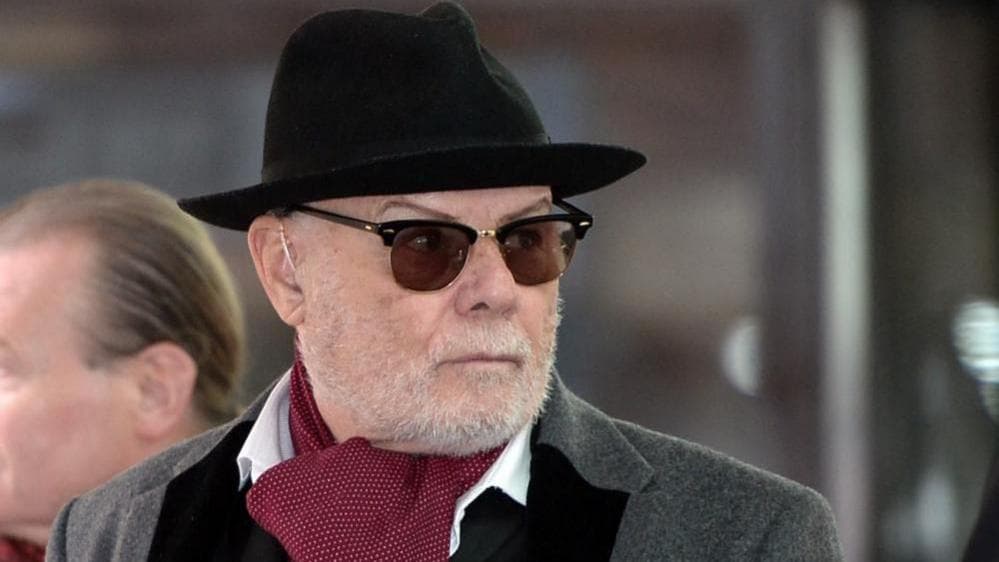
Fallon jokes Trump’s Temple of Heaven is not Beijing’s landmark site
Fallon mocked Trump’s idea of Beijing’s Temple of Heaven, turning a Xi Jinping summit stop into a joke about the wrong landmark and the wrong optics.

Jimmy Fallon turned Donald Trump’s Beijing visit into a punchline about mismatch, joking that the president’s idea of the Temple of Heaven was not the same one he toured with Xi Jinping. The bit on The Tonight Show used a real diplomatic stop to make a broader point: Trump’s China trip is being filtered at home through comedy that is as much about image as policy.
The target of the joke carries heavy symbolism in China. Trump and Xi visited the Temple of Heaven in Beijing on May 14, a site Chinese officials describe as a Ming-era imperial sacrificial complex founded in the first half of the 15th century. UNESCO lists it as the Temple of Heaven, an Imperial Sacrificial Altar in Beijing, and a World Heritage site. Temple of Heaven Park says it is the world’s largest and best-preserved ancient imperial complex dedicated to the worship of Heaven. The site covers about 273 hectares, roughly four times the size of the Forbidden City.
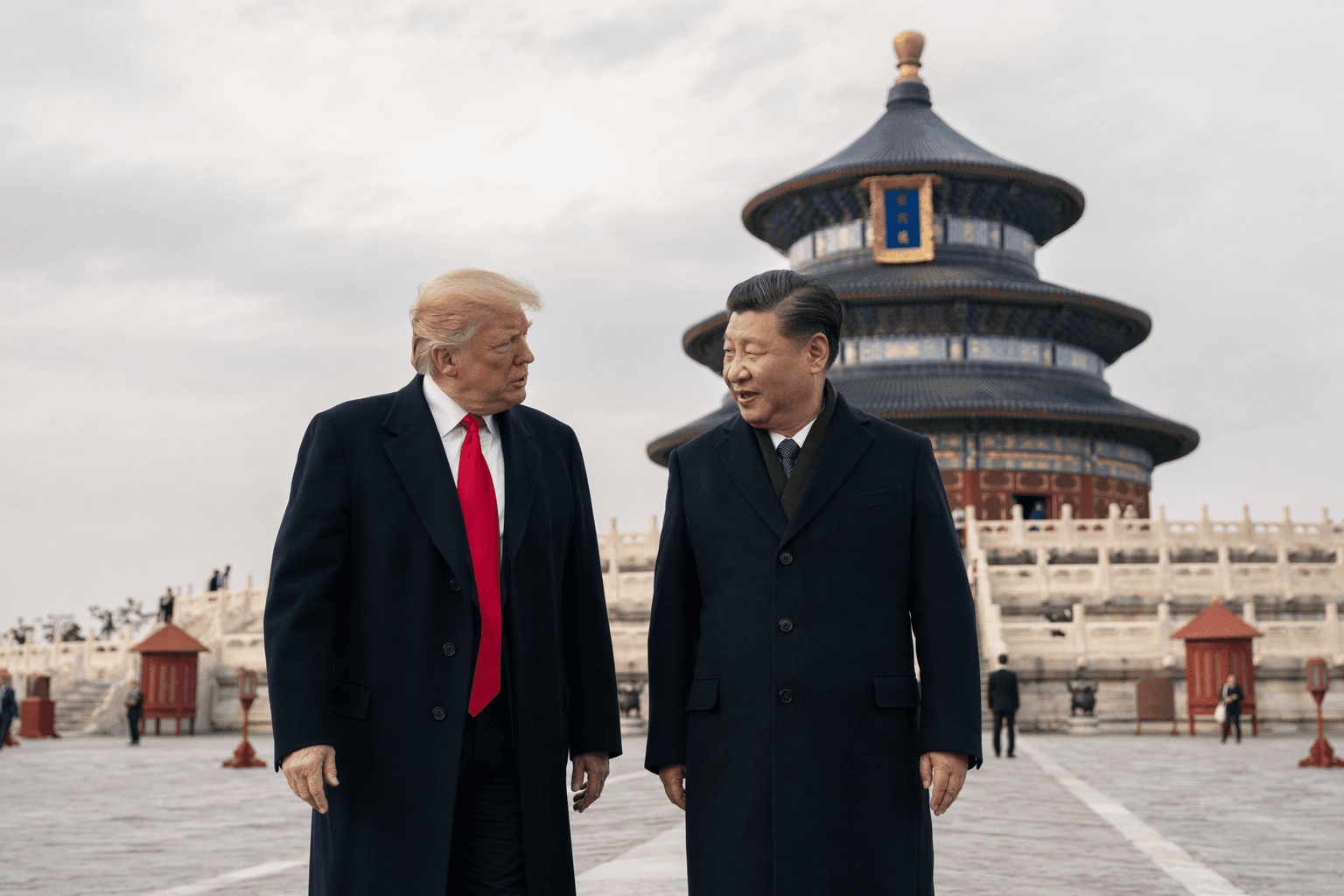
That scale matters because the stop was not treated as a routine sightseeing moment. Chinese state media and official statements cast the visit in terms of heaven, earth and legitimacy, while also tying it to hopes for a “good harvest” in trade. In other words, the setting was chosen to carry diplomatic meaning well beyond the photographs.
Xi also linked the 2026 visit to Trump’s earlier China trip. He noted that Trump and Melania Trump toured the Palace Museum along Beijing’s Central Axis during Trump’s first state visit to China from Nov. 8-10, 2017. That comparison underscored how carefully Beijing stages these appearances, using cultural landmarks to reinforce continuity, hierarchy and statecraft.

Fallon’s joke fits a familiar late-night pattern: when Trump travels abroad, comedians often seize on the gap between presidential messaging and the visual theater around it. Here, the comedy came from the contrast between a revered Beijing monument and Trump’s own public brand. That framing can weaken the solemn tone Chinese officials want from such summits, but it also shows how quickly foreign-policy symbolism gets recast for an American audience that tends to remember the spectacle first.
This article was produced by Prism’s automated news system from verified source data, official records, and press releases, then run through automated quality and moderation checks before publishing. The system is built and supervised by the people who set the standards it runs under. Read our full AI policy.
Did this article answer your question?