West Bank waste piles up as entrepreneurs turn trash into pellets
Garbage piles are choking the West Bank as movement barriers mount, while two entrepreneurs near Ramallah turn plastic waste into pellets for reuse.

Garbage has become a public-health and governance crisis across the West Bank, where daily collection is slowed by checkpoints, roadblocks and gate closures that keep multiplying. After the Hamas-led attack on southern Israel on October 7, 2023, tens of thousands of West Bank Palestinians who had worked in Israel were no longer allowed to cross, and garbage trucks were pushed onto longer routes or delayed altogether as movement controls tightened.
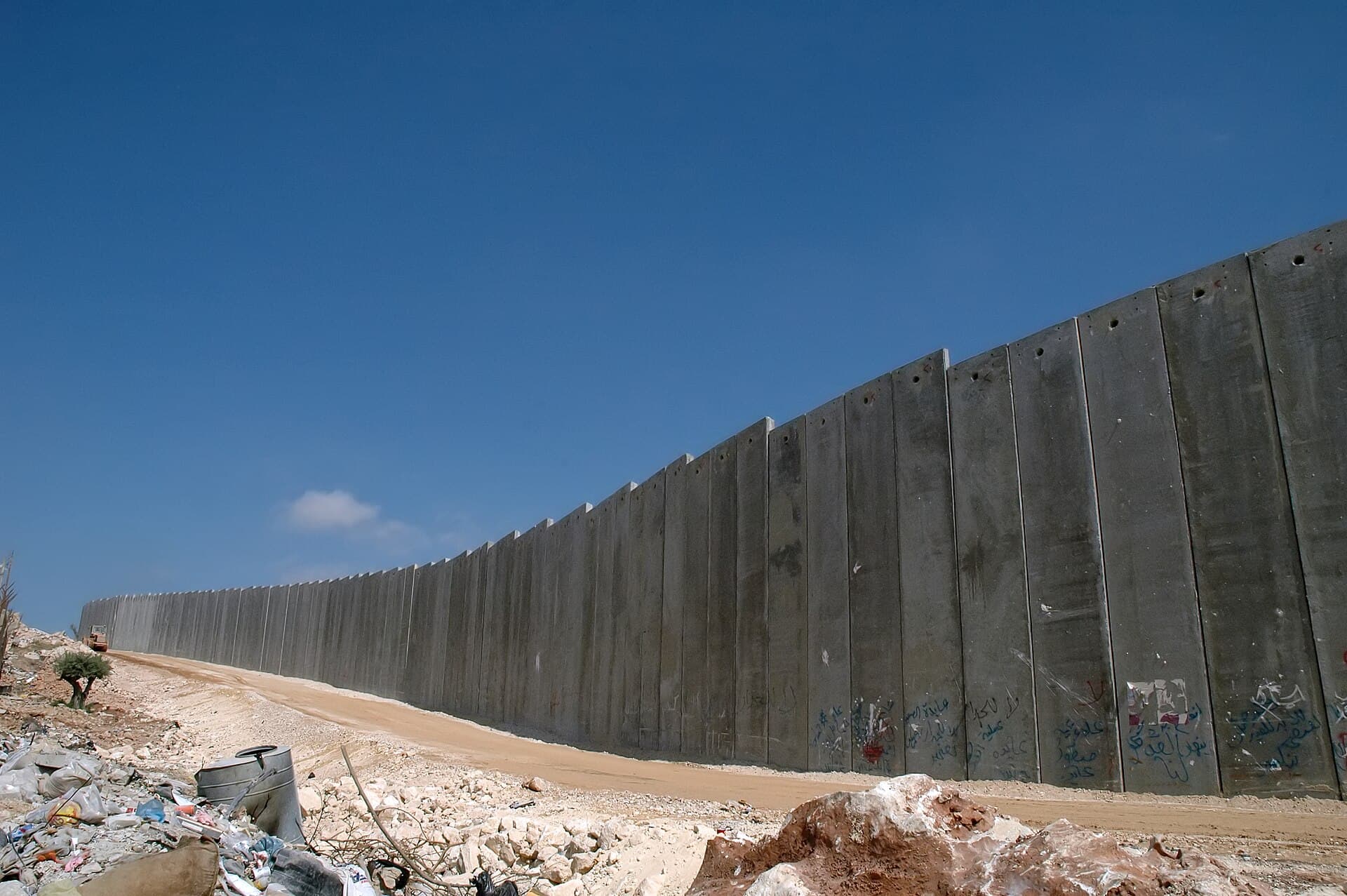
By the end of 2025, the United Nations Office for the Coordination of Humanitarian Affairs documented 925 checkpoints, barriers or roadblocks across the West Bank, the highest number recorded in 20 years and 43 percent above the two-decade average. The obstacles affect the daily lives of 3.4 million Palestinians and, in practice, make it harder to move waste out of towns and cities, or to reach the few disposal sites that exist. At least 20 percent of documented closures blocked access to agricultural land, and OCHA said more than 120 new road gates were installed in 2025 alone.

The West Bank has only two landfills, one in the north and one in the south. Ibrahim Ghazal, a mechanical engineer, said the Palestinian Authority has asked for years to open a third landfill in the center of the West Bank, but Israel has repeatedly refused. Ghazal said the squeeze on movement and disposal is not accidental, arguing that the restrictions amount to deliberate pressure on everyday life.
Inside a dimly lit cement-block warehouse near Ramallah, Ghazal and entrepreneur Faris Abu Keshek are trying to carve out a different answer to the trash crisis. Their machines sort, wash, dry, shred and melt plastic waste into recycled pellets that can be used again, turning a stream of discarded packaging into a product with potential value. Their work reflects a broader shift among Palestinian businesses and environmental groups, who are treating recycling and reuse as one of the few local responses available when basic infrastructure is constrained.
The urgency is plain in Hebron and Bethlehem, where a World Bank summary said the two cities together house nearly 1 million people and generate about 500 tons of waste a day. Much of that trash had historically been abandoned, illegally dumped or left in unsanitary dumps, a pattern rooted in decades of conflict and underinvestment in solid waste management. Israeli officials have also cast West Bank waste fires and dumping sites as a security and environmental issue. In December 2025, Israel’s environment minister and security officials unveiled an emergency plan to seize Palestinian waste trucks, create a new disposal site in the central West Bank and charge the costs to the Palestinian Authority.
This article was produced by Prism’s automated news system from verified source data, official records, and press releases, then run through automated quality and moderation checks before publishing. The system is built and supervised by the people who set the standards it runs under. Read our full AI policy.
Did this article answer your question?


