West Virginia primaries test Morrisey’s influence, party loyalties, legislative control
Morrisey is using the primaries to pressure GOP lawmakers, while Capito’s Senate battle and key legislative races expose a party split over who really runs West Virginia.
West Virginia Republicans went to the polls with more than nominees at stake. In State Senate District 10, Shelley Moore Capito backed incumbent Vince Deeds while Gov. Patrick Morrisey lined up behind challenger Jonathan Comer, a pastor, turning a local race into a direct measure of whether the governor can punish allies and reward loyalists.
That same fight over clout ran through the marquee U.S. Senate primary, where Capito faced five challengers. Her main rival, state Sen. Tom Willis, had support from six fellow GOP senators, including Senate President Randy Smith, while Capito entered the race with endorsements from 15 state senators and backing from President Donald Trump. The contrast showed two different power centers inside the West Virginia Republican Party: Capito’s long-built establishment network and a separate bloc that wants to challenge it from within.
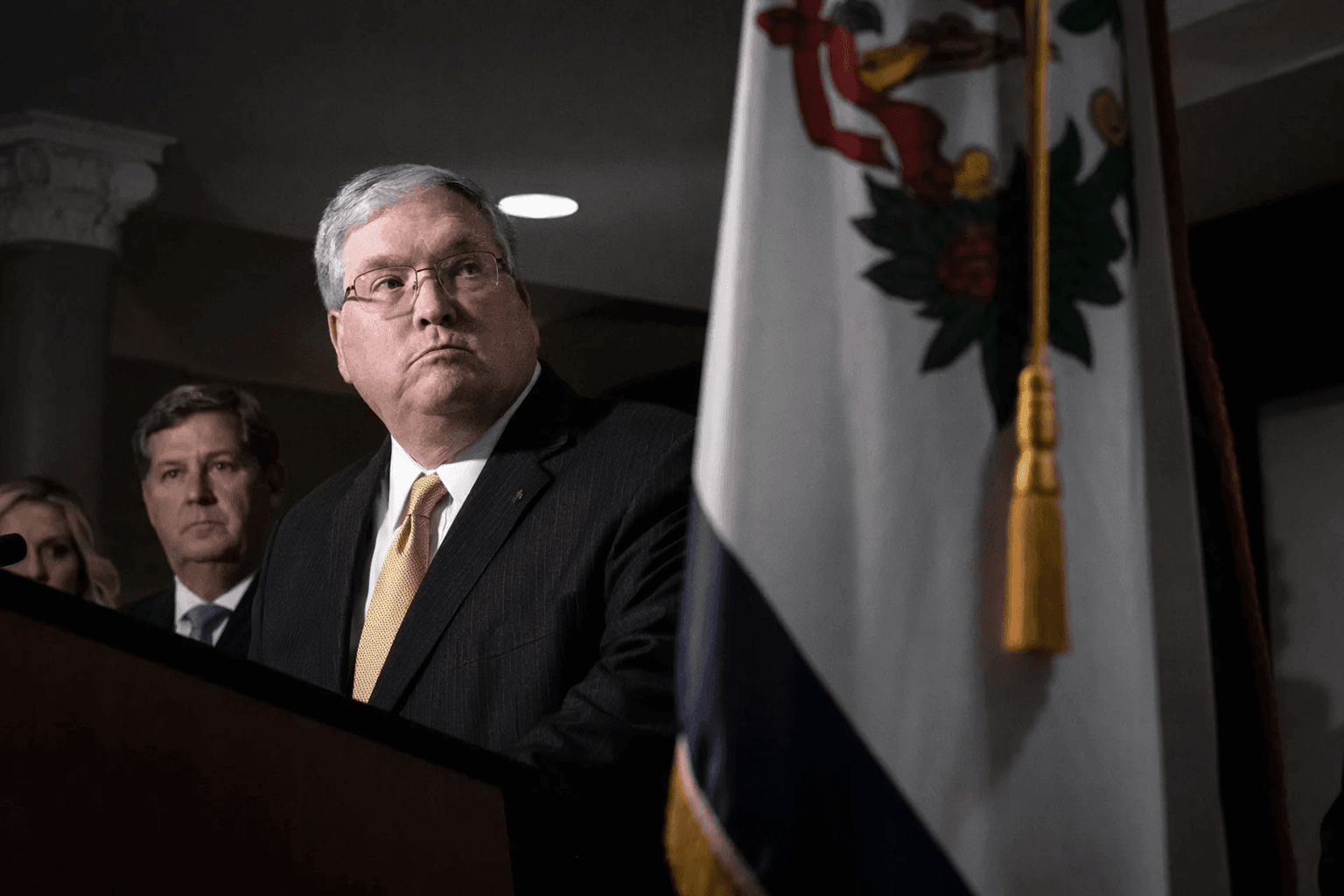
Morrisey’s strategy went further than one legislative district. He spent the primary season backing challengers against Republican incumbents he viewed as disloyal, using his first term in the governor’s office to try to reshape the supermajorities that already dominate the West Virginia Legislature. The May 12 vote was therefore less a routine nomination contest than an early stress test of whether the governor could convert personal grievances into legislative control.
The ballot also carried state judicial consequences. Two seats on the West Virginia Supreme Court of Appeals were on the May 12 ballot, with justices Tom Ewing and Gerald M. Titus III seeking election after Morrisey appointed both in 2025 to fill vacancies until Election Day. A race for the West Virginia Court of Appeals added to a ballot that stretched from federal offices to nonpartisan statewide contests, all in a state where the filing deadline for the 2026 primary passed Jan. 31 and absentee applications were accepted from Jan. 1 through May 6.
Charleston Mayor Amy Goodwin also sought a third term while facing a primary challenge, another sign that the Republican scramble was happening alongside contested local races and not just at the top of the ticket. For Morrisey, the stakes were personal as well as political. He narrowly defeated Moore Capito in the 2024 Republican gubernatorial primary, a split that still shadows the party and helps explain why this year’s primaries became a public reckoning over loyalty, patronage and who will define the post-Manchin political order in West Virginia.
This article was produced by Prism’s automated news system from verified source data, official records, and press releases, then run through automated quality and moderation checks before publishing. The system is built and supervised by the people who set the standards it runs under. Read our full AI policy.
Did this article answer your question?

