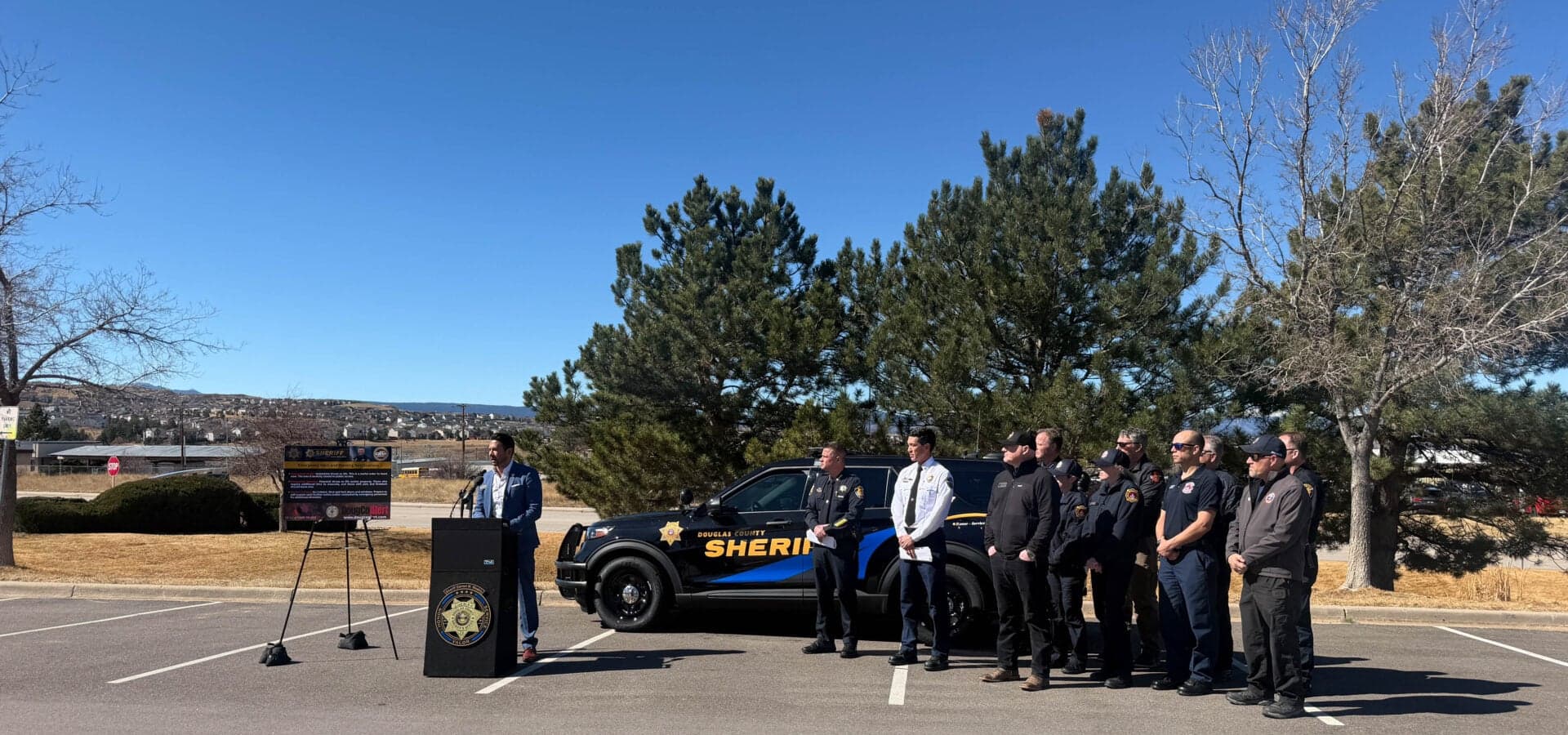
Westword investigation finds Douglas County using AI license‑plate readers
Westword reported Douglas County is among Denver metro jurisdictions deploying Flock Safety AI license‑plate readers; the ACLU says Flock "streams records" into a private national database accessible to police.
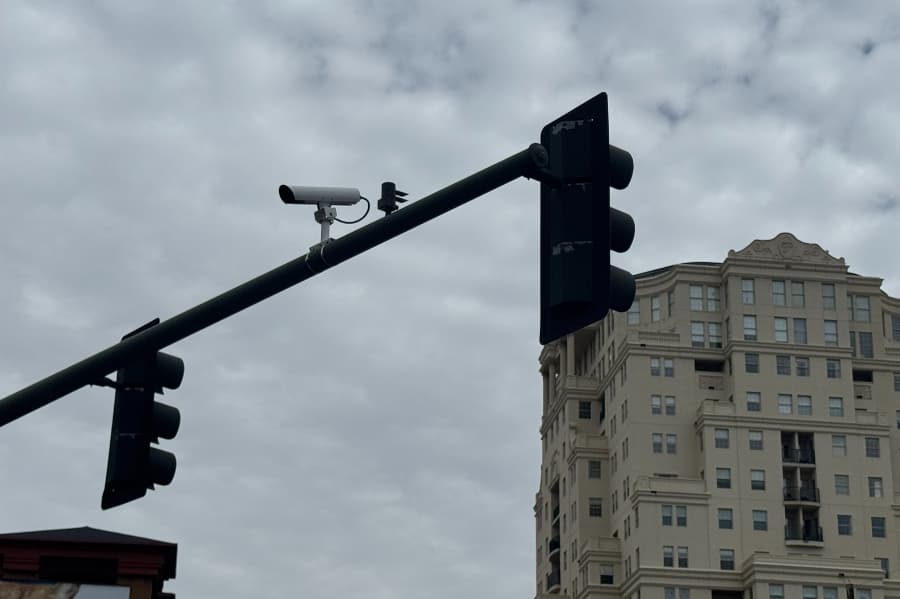
Westword reported that Douglas County is among Denver metropolitan jurisdictions deploying Flock Safety and other AI‑backed license‑plate reader systems, a local installation that intersects with national civil liberties concerns about centralized tracking and pattern detection. The ACLU’s Free Future project warns that “The police surveillance company Flock has built an enormous nationwide license plate tracking system, which streams records of Americans’ comings and goings into a private national database that it makes available to police officers around the country.”
Those ACLU findings include productized analytics that the group says are being marketed to law enforcement. “Flock appears to offer this capability through a larger ‘Investigations Manager,’ which urges police departments to ‘Maximize your LPR data to detect patterns of suspicious activity across cities and states,’” the ACLU wrote. The ACLU also quotes feature names it attributes to Flock marketing: a “Linked Vehicles” or “Convoy Search” that will “uncover vehicles frequently seen together,” and a “Multiple locations search” promising to “Uncover vehicles seen in multiple locations.” The ACLU concludes that these are “variants on the same theme: using the camera network not just to investigate based on suspicion, but to generate suspicion itself.”
Consumer reporting and social media have amplified local visibility of the hardware. A Nov. 4, 2025 YouTube post by channel saveitforparts, which has 367,000 subscribers and whose video listed 56,967 views and 3,893 likes in the excerpted metadata, described seeing Flock cameras in suburbs and provided a technical portrayal: “It's got a 4G or 5G cell phone network. It's got a solar panel and they sit on poles around intersections or on light poles and just record every car and person that goes past. And basically they feed all this data back to a central database.” The uploader also asserted, “Data is sold to police, HOAs, landlords, and other groups around the country,” and warned “The system lets someone be tracked anywhere in the US without a warrant.”
The reporting and advocacy excerpts available to date show a local‑to‑national chain: Westword documents local deployments in the Denver metro and names Douglas County; the ACLU frames a centralized national database and analytic features; and the YouTube posting supplies on‑the‑ground descriptions and a claim of sales to non‑governmental customers. What is not yet public in the materials provided are procurement records, contract terms, or written policies detailing who in Douglas County or neighboring municipalities can query LPR data, how long images and plate reads are retained, and whether any non‑police entities have access.
Those documentary gaps point to concrete next steps for local scrutiny: county procurement and sheriff’s office records for any purchase orders or MOUs with Flock or other LPR vendors; data‑sharing agreements that define whether the system is queried locally only or tied to a broader national archive; and any published audit protocols, retention schedules, or training materials governing use of products like Investigations Manager, Convoy Search, and Multiple locations search. The overlap of Westword’s local reporting and the ACLU’s national warnings places Douglas County at the center of a policy decision about surveillance, data governance, and constitutional risk that will hinge on the contracts and policies the county and its law enforcement partners adopt.
Know something we missed? Have a correction or additional information?
Submit a Tip