What Pizza Hut employees should know about Yum China executive stock
A Yum China Form 4 shows a Pizza Hut GM's PSU settlement, share sale, and remaining holdings, and what workers should know.

1. The filing and the executive named
A Form 4 covering these transactions was filed for Yum China and lists Kuai Jeff as General Manager, Pizza Hut (Yum China). The filing shows an effective transaction date of 2026-01-14 and was posted to public SEC aggregators on 2026-01-16. For employees, that matters because Form 4s are the formal, public record of insider transactions and give a transparent view into how senior managers are paid and how they convert long-term incentives into cash or stock.
2. Settlement of 6,218 shares tied to performance share units (PSUs)
The report documents a settlement (acquisition) of 6,218 shares in connection with performance share units, recorded at $0 per share for settlement on the filing. PSUs are multi-year, performance-based awards that vest into stock when specified goals are met; a PSU settlement increases an executive’s equity stake and reflects achievement of those performance targets. For frontline and middle managers, PSU settlements illustrate how a meaningful portion of senior pay can be deferred and tied to company performance, which shapes promotion pathways, retention strategies, and how leaders prioritize long-term growth over short-term wins.
3. Disposition of 2,249 shares at roughly $47.22 per share
The filing also reports a disposition of 2,249 shares at approximately $47.22 per share, indicating a sale of part of the executive’s holdings. Executives often sell shares for liquidity needs, tax obligations from award settlements, or portfolio diversification; while this specific filing doesn’t state the motive, the sale reduces the immediate stock exposure of the holder. Workers should note that these kinds of sales are common and don’t automatically signal negative views of the business, but repeated or large sales by leadership can influence investor sentiment and internal perceptions about risk tolerance and confidence.
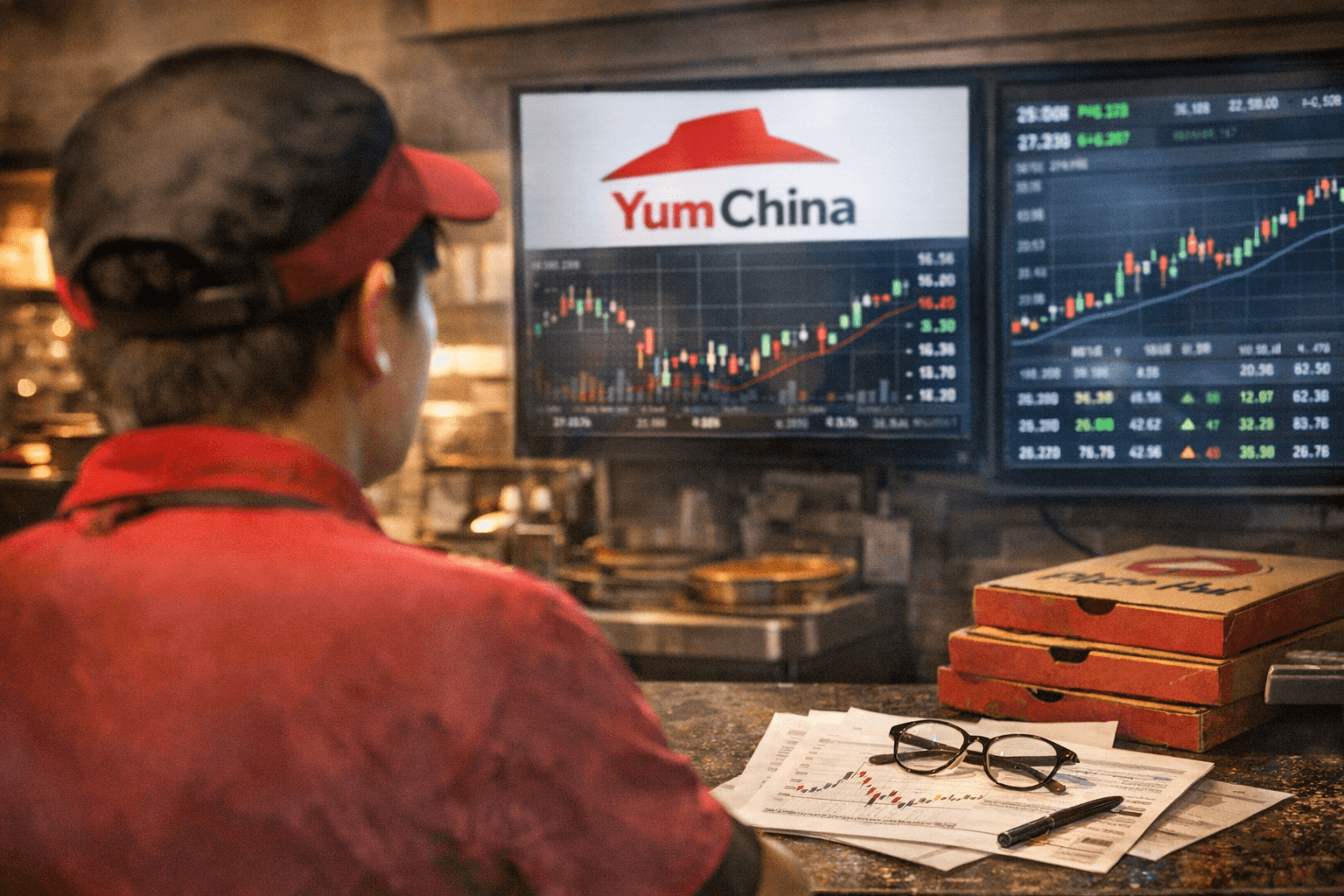
4. Resulting ownership: 60,571 Yum China shares
After the settlement and sale, the filing reports Kuai directly owned 60,571 Yum China shares. That remaining stake represents the tangible equity alignment between this Pizza Hut leader and Yum China’s performance over time. For employees, the size and persistence of executive ownership affects workplace dynamics: meaningful stockholdings can encourage long-term decision-making, reinforce retention incentives for senior managers, and set expectations about the balance between cash compensation and long-term incentives for regional leadership.
Practical takeaways for workers and managers Use filings like Form 4 as a data point when you want to understand how your leaders are compensated and what behaviors the company is incentivizing. If you’re benchmarking pay or negotiating a role, ask HR or compensation partners about the mix of base pay, annual bonus, and long-term incentives (PSUs or stock), and consider how vesting timelines align with your career plans. Keeping an eye on executive equity activity gives you context for conversations about promotion, retention, and the kinds of performance that get rewarded, think of it as watching which slices of the compensation pie are being handed out and why.
Know something we missed? Have a correction or additional information?
Submit a Tip