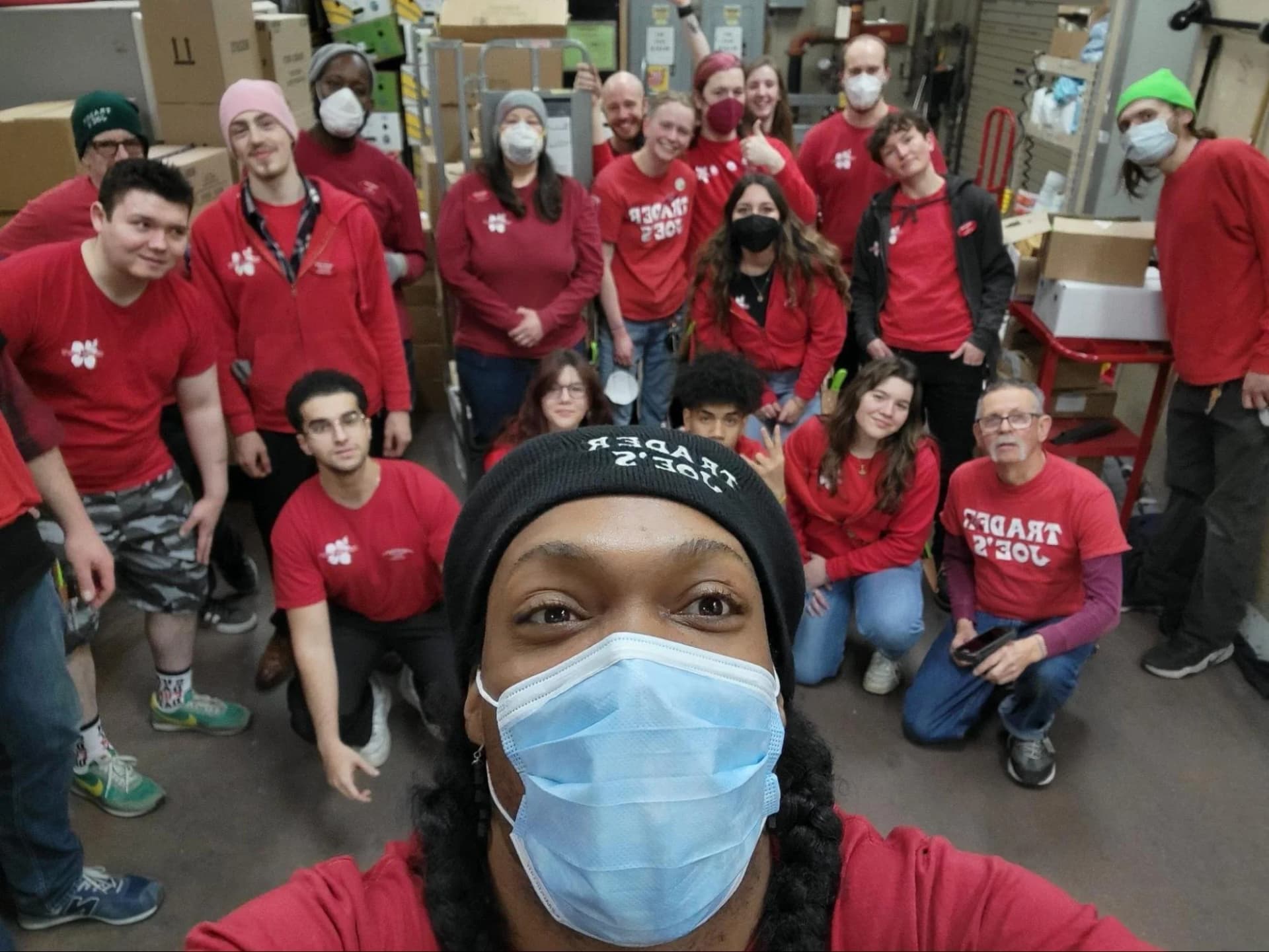
What Trader Joe’s crew need to know about labor rights and action
Under federal law, grocery and retail employees can act together on pay, scheduling and safety. Knowing prohibited employer tactics, how to document issues and how to file charges matters for protecting crew.
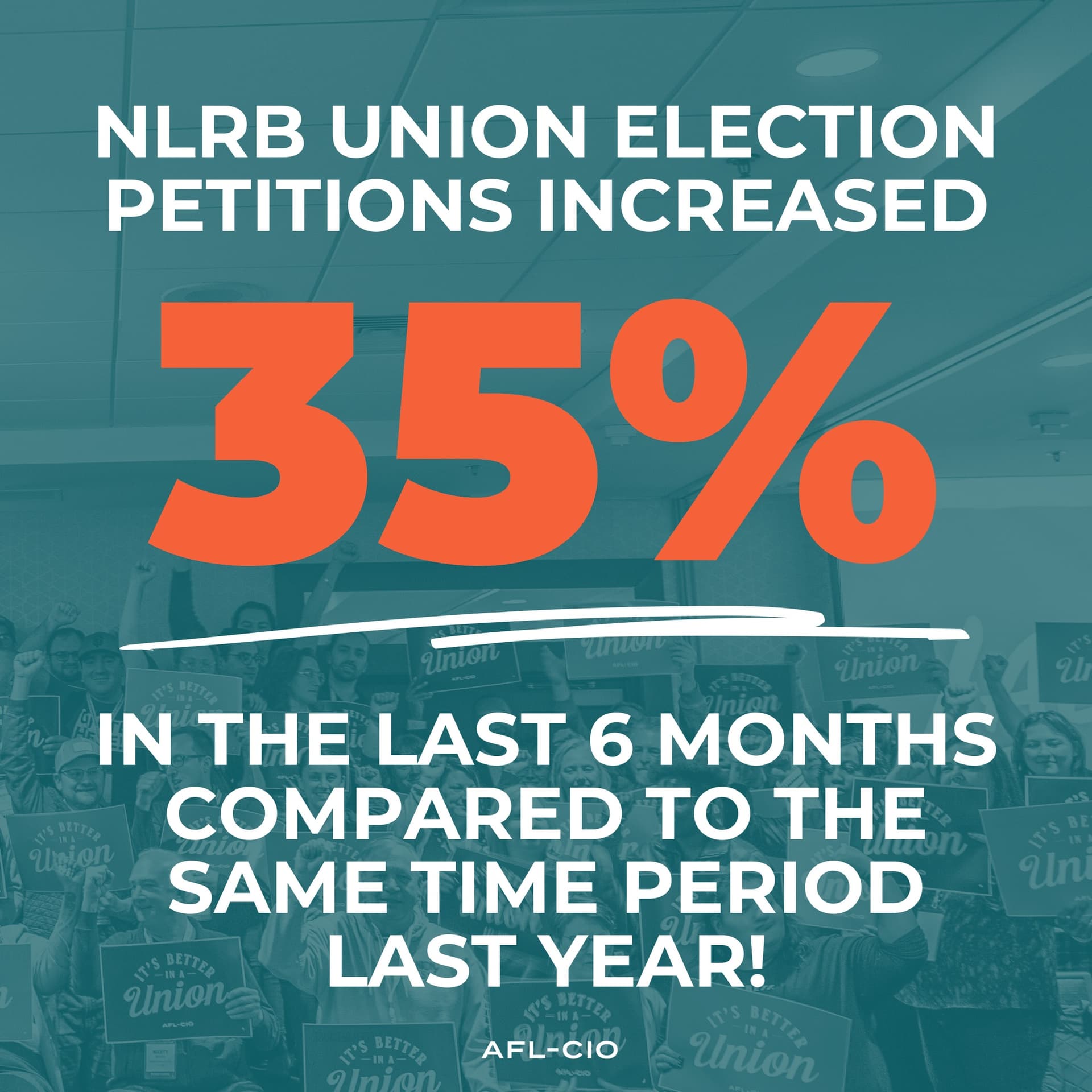
Trader Joe’s crew and other grocery workers have clear protections under the National Labor Relations Act that cover concerted activity for mutual aid and protection. That includes forming, joining, or assisting a union and discussing working conditions such as pay, scheduling and workplace safety. Those protections apply on shift, in breakrooms, and on social media when employees are acting together about job-related concerns.
Employers may not interfere with or retaliate against protected concerted activity. Common unlawful actions include threatening workers about union activity, interrogating employees about their views, promising benefits to discourage support for organizing, disciplining or firing workers for protected conduct, or enforcing policies selectively to target supporters. These behaviors can chill crew communication and change day-to-day dynamics on the floor and at the register.
Practical documentation makes a difference if you decide to press a claim. Keep dates, times and names for incidents, and preserve written communications when possible. Save posted schedules, copies of disciplinary notices or memos, and any texts or emails related to the issue. Record witness names and, if appropriate, brief notes about what they observed. That paper trail helps the neutral investigator piece together patterns rather than relying on single anecdotes.
If a worker or a union believes an employer has violated these rights, they can file an unfair labor practice charge with the National Labor Relations Board regional office. The NLRB investigates charges, may issue complaints, seek remedies and can refer matters to an administrative law judge. Where a majority of employees in an appropriate bargaining unit choose a union, the employer has a legal duty to bargain in good faith with the certified representative over wages, hours and other terms and conditions of employment.
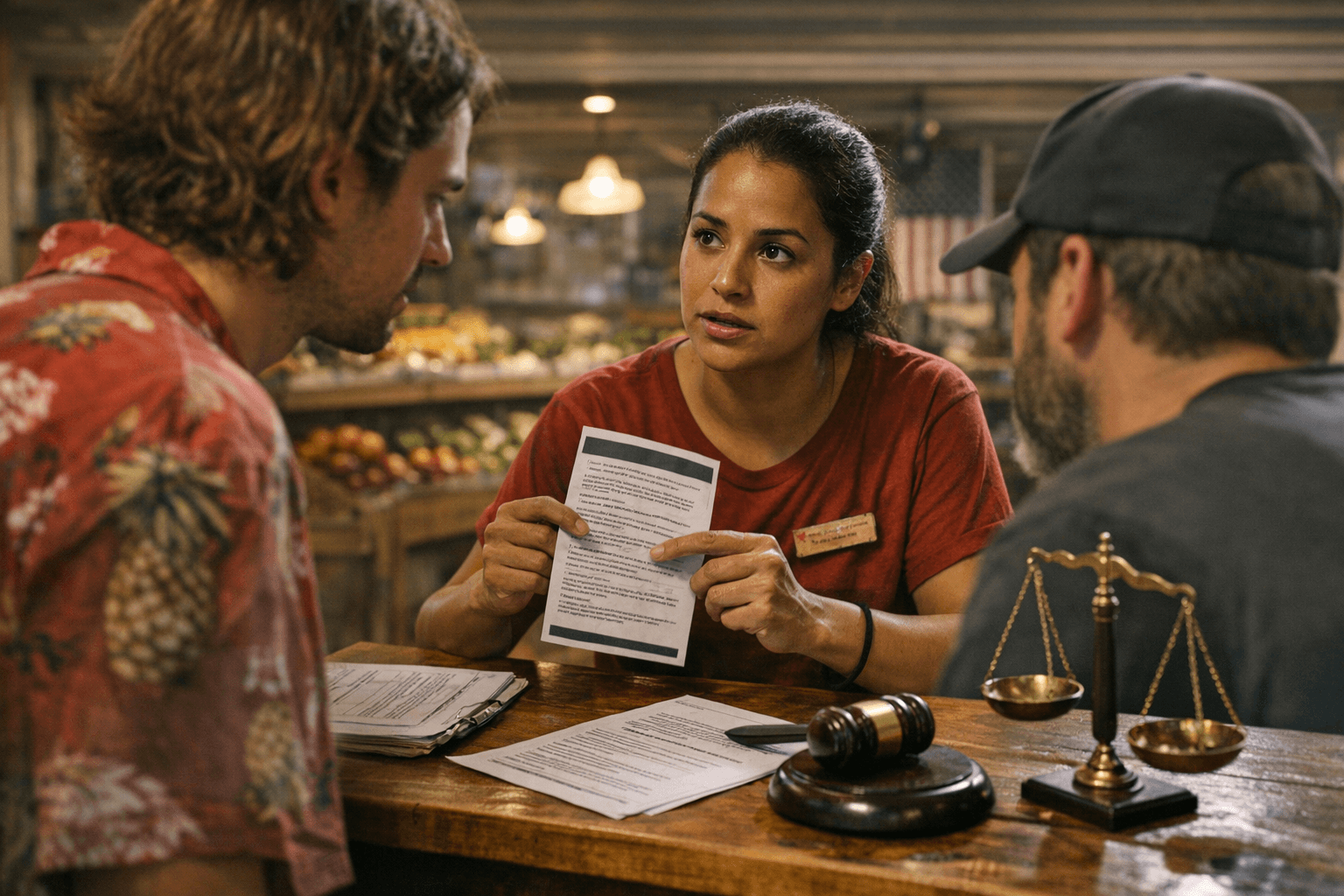
For crew members, these rights affect both the immediate shop floor and longer-term workplace power. When protections are respected, frontline employees can raise safety concerns like stocking procedures or understaffing without fear of punishment. When employers attempt to silence or influence crew through threats or sweetheart promises, it shifts the balance of power and can degrade trust between leadership and workers.
What to do next depends on your situation, but practical steps that apply across stores are the same: document incidents promptly, preserve copies of schedules and notices, keep witness information, and consider filing a charge with the appropriate NLRB regional office if unlawful conduct persists. Official forms, worker rights materials and regional contact details are available from the NLRB to guide filing and next steps. Understanding these protections can help Trader Joe’s crew and other grocery workers protect their shifts, their safety and their ability to organize for better terms.
Sources:
Know something we missed? Have a correction or additional information?
Submit a Tip