What Triple-A Baseball Is and How It Connects to MLB
Triple-A is the final step before the majors, housing top prospects, veteran depth, and rehab assignments - it feeds MLB rosters and fuels local baseball economies.
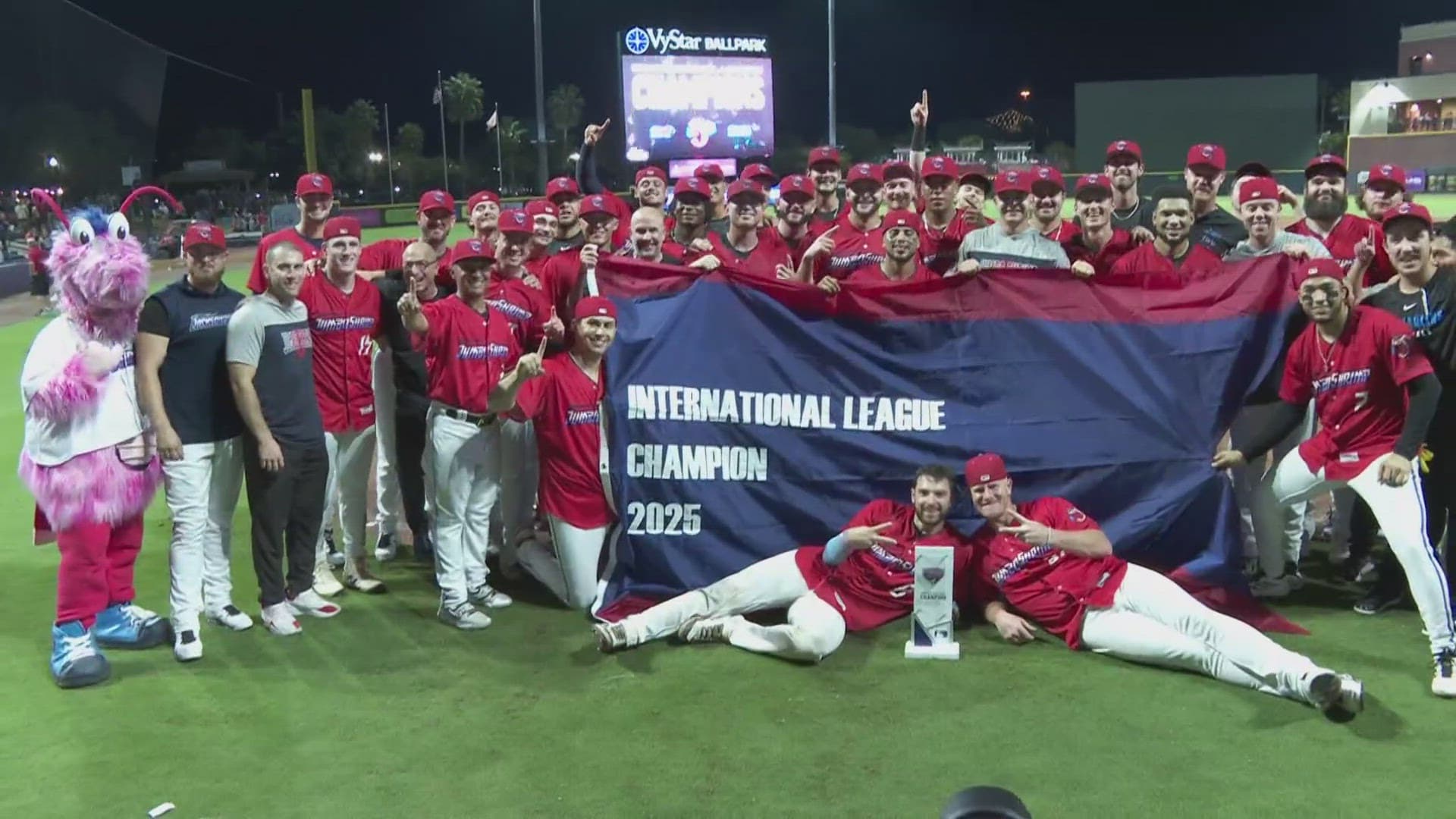
Triple-A baseball is the last rung on the ladder before Major League Baseball, and it functions as both a proving ground and a safety net for big league clubs. Comprised of 30 Triple-A clubs split between the International League and the Pacific Coast League, Triple-A teams serve as MLB franchises' top affiliates and the primary source of immediate roster reinforcements.
At its core Triple-A blends high-end prospects nearing their MLB debuts with experienced veterans who keep clubs competitive and ready. Players come to Triple-A to stretch out innings, refine a hitter’s swing against advanced pitchers, or complete rehab assignments after injury. For MLB front offices, Triple-A is about roster flexibility - a place to option players, stash depth, test swing changes under game conditions, and simulate big league situations without the pressure of service time calculations.
Performance at Triple-A directly affects call-ups and roster decisions. Strong showings by prospects accelerate promotions and reshape an affiliate’s identity; veteran success can force front offices to reassess bench composition or rotation depth. Team dynamics at this level are fluid: clubhouse leadership often falls to experienced pitchers and position players who mentor younger talent while remaining available to help at the MLB level. The so-called shuttle between Triple-A and the majors is now a regular feature of season-long roster management, with clubs relying on rapid movement in response to injuries and matchup needs.
The business implications reach beyond player development. Triple-A clubs are commercial hubs in mid-sized markets, generating gate revenue, local sponsorships, and seasonal jobs. Ballpark promotions and community engagement create passionate fan bases that support franchises even when top prospects move up. For MLB, maintaining a healthy Triple-A ecosystem preserves the talent pipeline and protects investment in scouting and player development.

Culturally Triple-A keeps professional baseball accessible and local. Fans in smaller cities see rising stars before national attention arrives, and long-time followers appreciate the blend of raw potential and veteran savvy. Socially, Triple-A highlights ongoing conversations about minor league compensation and living conditions; players at this level often attract scrutiny as stakeholders discuss fair pay relative to the revenue generated by professional baseball.
Looking ahead Triple-A will remain integral to MLB strategy. As clubs refine analytics, injury protocols, and roster construction, Triple-A will be the laboratory where adjustments are tested and future stars emerge. For fans, it means access to near-MLB talent, immediate narratives about call-ups and comebacks, and a front-row seat to baseball’s next wave.
Know something we missed? Have a correction or additional information?
Submit a Tip