What Welcome to Country means in Australia’s public life
A Welcome to Country is a formal Indigenous protocol, not a generic speech, and its recent backlash has sharpened Australia’s debate over respect and identity.
A Welcome to Country is not a ceremonial extra. It is a formal act by Aboriginal or Torres Strait Islander Traditional Owners to welcome others onto the land of their ancestors, and it sits at the centre of how public life in Australia recognises Indigenous authority and connection to place.
What a Welcome to Country is
A Welcome to Country is a protocol used by Indigenous Australians to greet visitors to ancestral lands. It is commonly performed at significant events and formal functions, especially when the audience includes people from other parts of Australia or from overseas. In practice, it is both a welcome and a public reminder that events are taking place on Country, not on neutral ground.
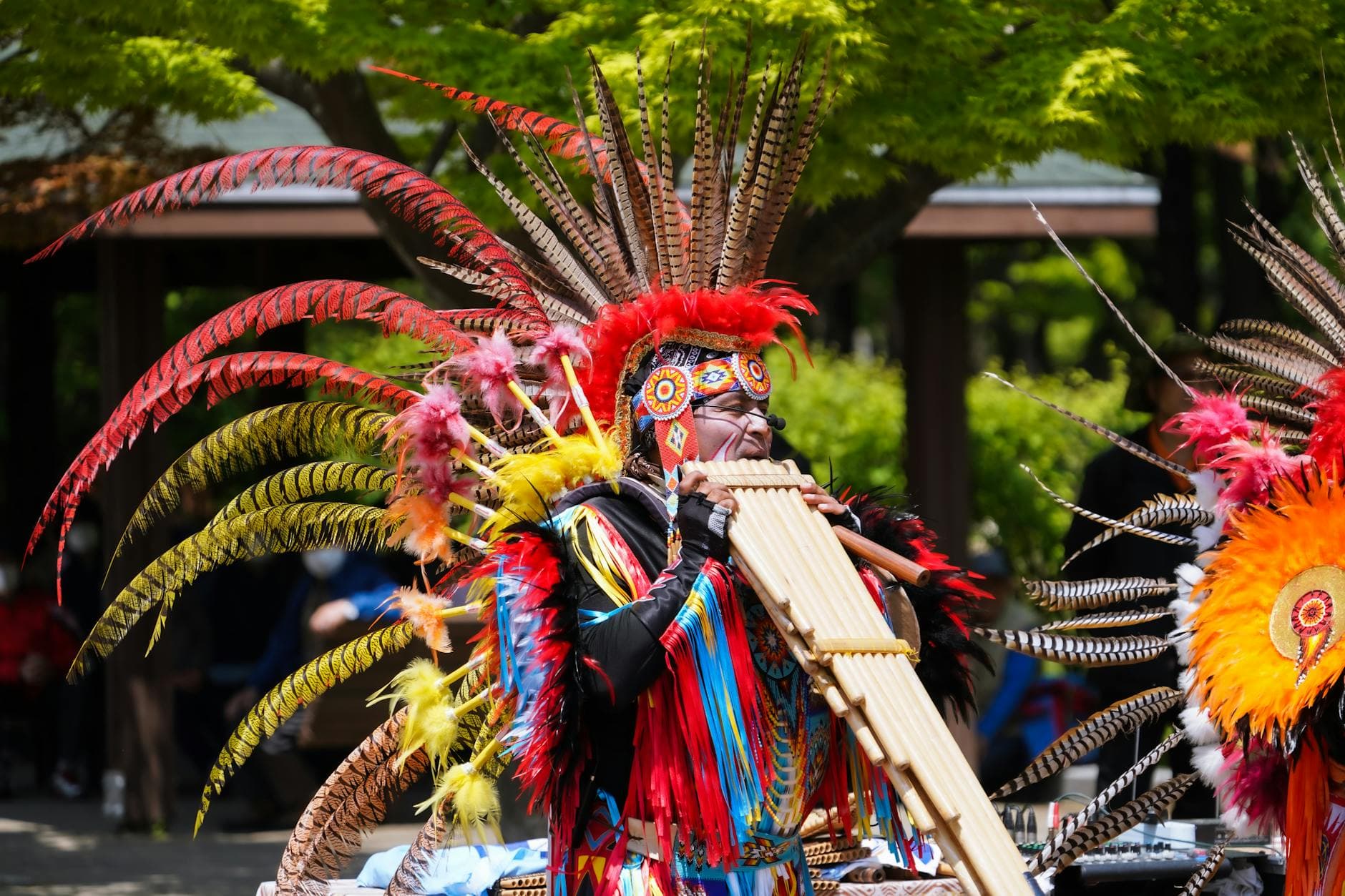
The ceremony can take many forms. It may include singing, dancing, a smoking ceremony, a speech, or a combination of these elements. That flexibility matters, because the form is less important than the purpose: to show respect and to offer a blessing for those gathering on Country.
Who can perform it
This protocol belongs to Aboriginal or Torres Strait Islander Traditional Owners. It is usually delivered by Elders, or by Indigenous people who have been given permission by Elders to speak on behalf of the community. That distinction is essential, because the authority comes from custodianship, not from the event organiser or the institution hosting the gathering.
This is why a Welcome to Country cannot simply be assigned to any speaker. The ceremony is tied to local Traditional Custodians and their standing within the community, and that makes it different from many other formal greetings used at public events. When it is done properly, it carries local authority as well as cultural meaning.
Why it carries cultural weight
The Australian Government and state and local institutions regularly use Welcome to Country and related protocols in official settings. That practice reflects a broader recognition of Traditional Owners and their continuing connection to land, waters and community. It also reflects the reality that Indigenous protocols are now woven into many civic occasions, from government ceremonies to major public gatherings.
AIATSIS says Aboriginal and Torres Strait Islander peoples are the First Peoples of Australia and were here for thousands of years before colonisation. The institute also notes that Country is a complex concept, carrying ideas about law, place, custom, language, spiritual belief, material sustenance, family and identity. That helps explain why a Welcome to Country is not symbolic decoration: it points to a living relationship between people, land and law.
How it differs from an Acknowledgement of Country
The easiest way to separate the two is this: a Welcome to Country must come from the Traditional Custodians or their representatives, while an Acknowledgement of Country can be delivered by anyone. That makes the Acknowledgement a different but complementary practice, one that allows speakers without custodial authority to recognise the Traditional Owners of the place where they are meeting.
Reconciliation Australia describes Welcome to Country as something that occurs at the beginning of a formal event, while Acknowledgement of Country is the broader practice available to all. In public life, that distinction matters because it prevents the two from being treated as interchangeable. One is a custodial welcome, the other is a public acknowledgment of that custodianship.
How institutions use the protocol
The protocol has become standard at many public events in Australia, especially formal ceremonies and civic gatherings. The City of Sydney says a Welcome to Country enables the Traditional Custodians to give their blessing to an event and is an important mark of respect for Aboriginal and Torres Strait Islander people as Australia’s original inhabitants. That view mirrors the way many councils, governments and major institutions now approach ceremony and protocol.
The Australian Government says it acknowledges the Traditional Owners of Country throughout Australia and their continuing connection to land, waters and community. That language is not accidental. It reflects a public-sector effort to place Indigenous recognition within official procedure, rather than leaving it to ad hoc gestures.
Why it has become a flashpoint
The ceremony’s public profile has also made it politically contested. In 2026, booing incidents at Anzac Day commemorations triggered renewed debate about Welcome to Country ceremonies, with backlash spreading beyond the events themselves into a broader argument about respect, identity and the place of Indigenous protocols in national life.
That controversy is significant because Anzac Day holds deep civic meaning in Australia. When a Welcome to Country appears at such commemorations, it forces a visible conversation about whose histories are being recognised in national rituals, and how public institutions should handle that recognition. The argument is not only about ceremony, but about authority, memory and who gets to speak for place.
What readers should understand about the debate
At its core, the debate is not over whether Welcome to Country is decorative or optional. It is over whether Australia’s public life should continue to make room for Indigenous authority as part of its formal rituals, or whether those rituals should be treated as culturally neutral. The fact that governments, councils and major institutions already use these protocols shows that they are not fringe practices, but part of the mainstream structure of public events.
That makes the backlash especially telling. When a Welcome to Country is challenged, the dispute reaches beyond one ceremony and into the country’s institutional habits, civic language and understanding of reconciliation. The protocol endures because it speaks to something larger than a stage introduction: it is a public recognition that Australia’s gatherings happen on land with enduring custodianship, and that recognition now sits at the heart of the national conversation.
This article was produced by Prism’s automated news system from verified source data, official records, and press releases, then run through automated quality and moderation checks before publishing. The system is built and supervised by the people who set the standards it runs under. Read our full AI policy.
Did this article answer your question?