Where Dubois County Displaced Workers Can Find Immediate Help
This guide compiles what’s known about immediate help in Dubois County — including the Dubois County Community Corrections Work Release program — and lists the exact gaps officials must fill to make assistance operational.
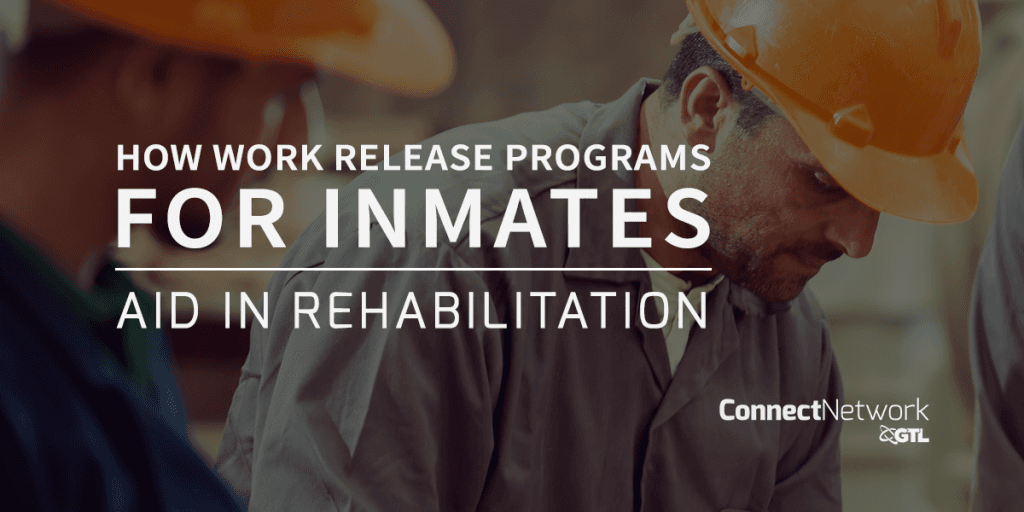
Why this guide: Recent week‑to‑week coverage in southern Indiana has underscored the need for rapid information about workforce assistance — especially for manufacturing employees affected by plant closures or sudden layoffs. This evergreen primer compiles local agencies, contact points and programs"
What we can point to now The only fully described local program in the material compiled for this guide is the Dubois County Community Corrections Work Release program. The county page is explicit about the program’s purpose and structure: “The Dubois County Community Corrections Work Release center is an alternative to jail or prison, and it gives participants the opportunity to continue working in the community.” The site emphasizes that “This is a treatment-based center, which provides many opportunities for self-improvement and personal development,” and that “We are all working toward the same goal at Dubois County Community Corrections to help participants leave with a solid foundation, skills, and tools to make healthy choices for their future.”
How the Work Release program works (what the county page says) The county content describes an intake and support model designed around employment and case management. “The orientation process upon arrival to Dubois County Community Corrections will provide participants with guidelines to which they will adhere to during their stay, in order to help them adjust to the Work Release program.” Participants “will be given time to job search upon their arrival,” and the program “requires the individual to obtain and maintain one full-time job.” Programming is individualized: “Participants work with a case manager to address areas in life that may be in need of improvement,” and “Participants will take part in programs and services agreed upon by them and their case manager.” The county page further states that safety and structure are central: “The rules and regulations have been established for the safety and security of the center, its employees, and all who participate in Community Corrections programs.”
What the page does not provide — critical gaps The source material contains no phone numbers, physical addresses, staff names, eligibility rules, schedules, placement statistics, or employer partners. The page includes the cues “WE'RE HERE TO HELP” and “Get in touch with us.” but supplies no direct contact information. For displaced workers — and for local officials who want an operational resource — those omissions are the immediate barrier between intention and impact.
Immediate steps displaced workers can take today While county contact details are pending verification, the following actions reflect the most practical, near-term moves referenced by the guide’s scope and by standard local response frameworks identified as necessary in the source material.
- If you have been laid off, file for unemployment insurance as soon as possible; unemployment benefits are a primary bridge to income while you look for work or training.
- Seek rapid re-employment help through your nearest workforce development office and community college; these organizations typically run job listings, short-term training, and job fairs that the guide intends to compile.
- If you have justice-system involvement and believe Work Release may apply to you, ask officials whether you meet the program’s criteria. The county page makes clear the program’s objective: it “gives participants the opportunity to continue working in the community” and provides time for on-site job search.
- For immediate basic needs — food, housing, transportation — contact local nonprofits, churches and United Way affiliates; these groups are commonly part of county-level rapid-response networks the guide says should be catalogued.
Questions to ask programs and agencies (what you should confirm) When you contact any agency or employer, confirm these specifics — many are identified as missing in the source material and are essential for day‑to‑day planning:
- Exact phone number, email and physical address for intake.
- Eligibility rules and required documentation for enrollment or assistance.
- Hours and schedules for orientation, job-search time and any in-person classes.
- Whether the program requires or defines “one full-time job,” and what “full-time” means in practice.
- Any participant costs, fees or deductions from wages.
- Employer partners or hiring pipelines and typical time to placement.
What reporters and officials must verify to make this usable The compiled source includes an explicit checklist of verification tasks that are necessary before this primer can function as an operational directory: confirm Dubois County Community Corrections’ contact information and physical address; verify Work Release eligibility criteria, intake process details and time allotments for job search; obtain placement and outcome data; and collect contact information for workforce centers, community colleges, job fairs and benefit-assistance locations in Dubois County. Those items mirror the missing facts listed in the source material and are the logical next steps for county staff and newsrooms alike.
Why these verifications matter Right now the county’s public-facing language — “WE'RE HERE TO HELP” and “Get in touch with us.” — signals willingness to assist but lacks the transactional details people need after a sudden layoff. Turning program descriptions into immediate help requires names, numbers, schedules and partner lists so workers can take the next step within days, not weeks.
A clear operational goal The essential task is narrow and quantifiable: assemble and publish the Dubois County Work Release contact info and intake rules, plus a verified directory of local workforce offices, job-fair schedules, training providers and benefits-assistance sites. Securing those facts will convert the county’s stated mission into an actionable pathway for displaced manufacturing workers and others who need rapid re-employment and support.
Sources:
Know something we missed? Have a correction or additional information?
Submit a Tip