Where McDonald's Workers Can Find Pay, Safety, Union and Legal Help
This article lays out where McDonald's crew and franchise employees can go for help with pay, safety, harassment, union organizing and legal claims, and why those options matter for protecting wages and health.
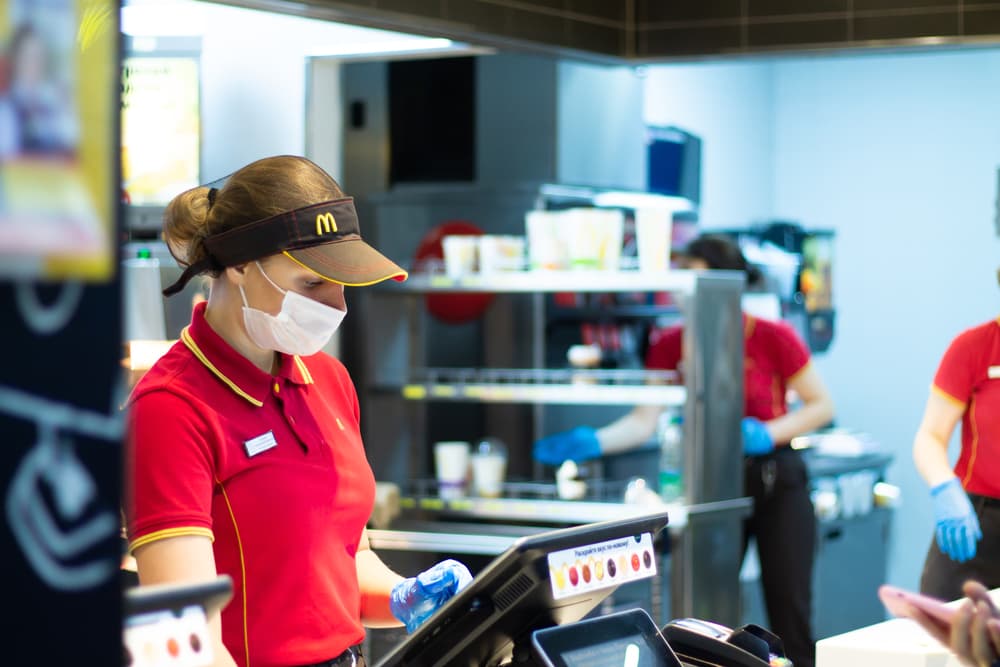
For McDonald’s crew, shift leads and franchise employees, workplace problems usually break down into pay-and-hour disputes, safety and injury issues, harassment and discrimination, union organizing and legal claims. Where you take each problem matters: regulators, unions, worker centres and law firms each play different roles in getting back pay, safer conditions or legal remedies.
Wage-and-hour problems - missing overtime, unpaid breaks, tip disputes or off-the-clock labor - are typically handled by national wage agencies and state labor departments. In the United States the U.S. Department of Labor Wage and Hour Division (WHD) takes complaints for federal violations; state labor departments and state or county wage boards can enforce local laws and minimums. In the UK and EU, local employment tribunals handle similar claims. Keep copies of schedules, pay stubs, time records and messages that document hours or tip allocations; those records form the backbone of any complaint.
Health and safety incidents such as burns, slips, inhalation hazards from cleaning chemicals or chronic ergonomic injuries should be reported to national occupational safety agencies. In the U.S., that means OSHA; in the UK, the Health and Safety Executive or devolved regulators handle inspections and enforcement. Report injuries promptly and preserve incident details - who was on shift, when and where the hazard occurred - whether you notify store management first or go straight to the regulator.
Harassment, discrimination and safeguarding concerns can be raised through an employer’s internal reporting channels when it is safe to do so; many larger companies offer confidential hotlines. Outside the company, national equality or human-rights commissions like the Equality and Human Rights Commission in the UK and survivor-support organizations such as RAINN in the U.S. provide reporting guidance and resources for sexual violence and discrimination claims.

Workers seeking collective support should connect with local trade unions and worker-advocacy groups. In the U.S., Service Employees International Union and movements like Fight for $15 have organized fast-food campaigns; in the UK, unions such as the Bakers, Food & Allied Workers Union work on food-service issues. Worker centres also offer on-the-ground organizing help and legal referrals for franchise employees who often face different constraints than corporate staff.
Legal remedies including class actions or individual employment suits are sometimes publicized through national class-action notices and settlement webpages run by employment-law firms. Those pages list eligibility requirements and deadlines; missing a deadline can forfeit recovery, so note dates and follow instructions to file claims.
For most problems, start by documenting everything, use the employer’s official reporting channels where it is safe, and seek confidential guidance from a regulator, union or worker-support organization before escalating. That approach helps protect wages and safety without burning bridges unnecessarily. For McDonald’s crew and franchise workers, these avenues are the practical routes to recovering pay, fixing unsafe conditions and addressing harassment - and they shape how disputes play out on the floor and at the bargaining table going forward.
Know something we missed? Have a correction or additional information?
Submit a Tip