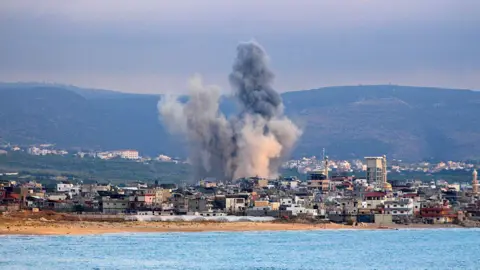
White House calls Iran report on Hormuz deal a fabrication
A state TV claim of a Hormuz deal jolted oil markets before the White House blasted it as a fabrication. The exchange exposed how fast the strait can become a weapon of signaling.
A claim on Iranian state television that Tehran had a draft framework for a U.S. peace deal briefly pushed Brent crude below $96, then triggered an immediate White House denial that called the memo a “complete fabrication.” The clash was less about a leaked outline than about control of the message in a war where the Strait of Hormuz remains one of the sharpest pressure points.
Iranian state TV said it had obtained an initial, unofficial memorandum of understanding between Iran and the United States. Under the reported framework, Iran would restore commercial shipping through the Strait of Hormuz to pre-war levels within a month, while the United States would withdraw military forces from Iran’s vicinity and lift a naval blockade. The draft was described as not yet finalized, with a 60-day negotiation period to follow if the framework were accepted. One reported version also said Iran and Oman would jointly oversee shipping routes and traffic management through the strait, and that any final deal could be sent to the UN Security Council as a binding resolution.
The White House moved fast to shut that down. Its Rapid Response account on X said the report from Iranian-controlled media was not true, called the memorandum a “complete fabrication,” and added, “FACTS MATTER.” The speed of that response suggested Washington saw the broadcast as more than misinformation. It was a potential signal to traders, allies and regional rivals that diplomatic terms were still fluid, and that any hint of de-escalation could move markets before officials had settled anything.
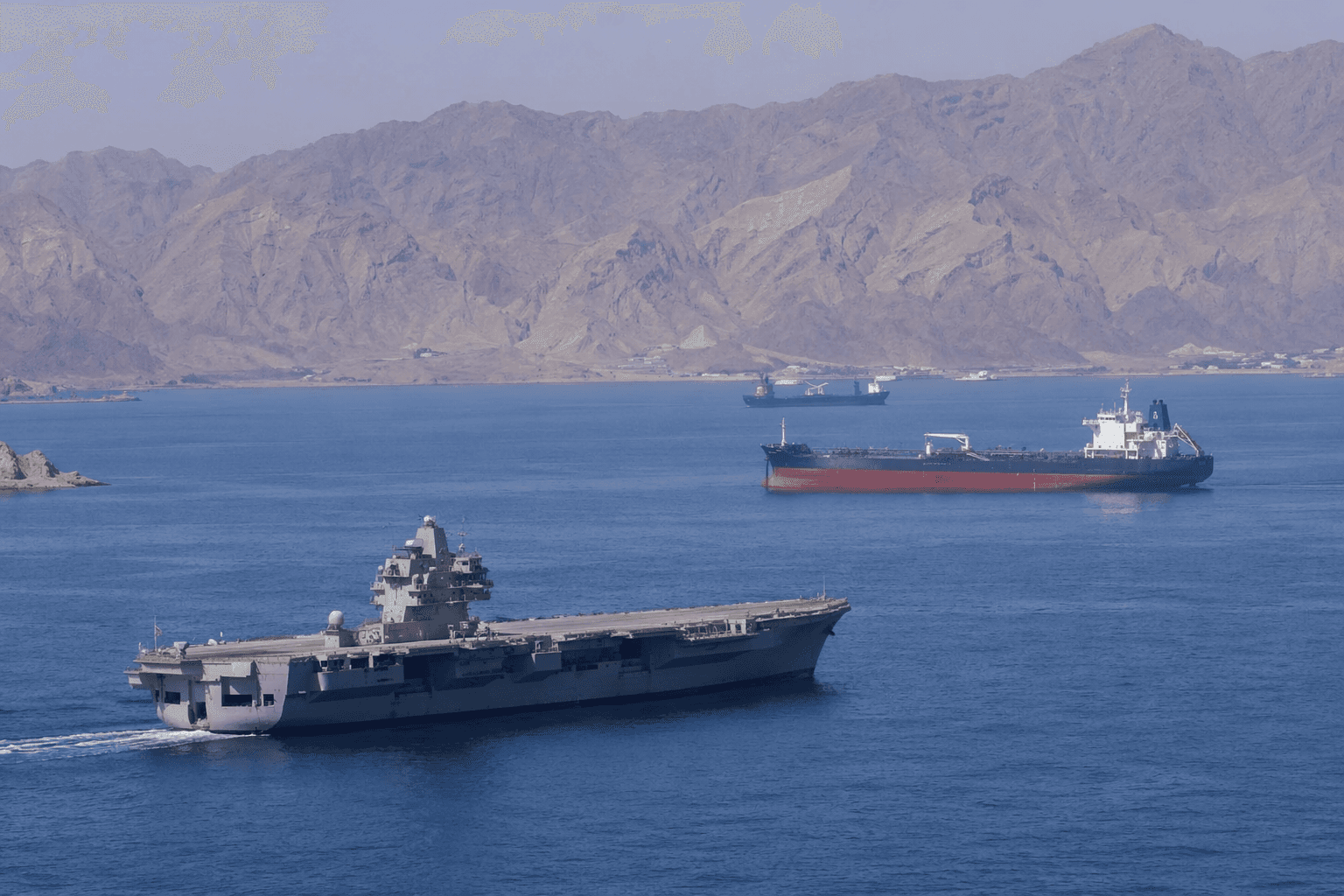
That mattered because the Strait of Hormuz handles about one-fifth of global oil and LNG flows, and the waterway had already been badly disrupted by the conflict and the U.S. blockade. The blockade of Iranian ports began on April 13, 2026, and maritime traffic had been strained enough that tankers were waiting to enter the strait and, in some cases, turning back. On May 27, optimism over possible U.S.-Iran progress helped push Brent lower before the White House denial reversed the move.
President Donald Trump was meeting with his Cabinet on Wednesday as talks to end the war with Iran remained in flux. The episode showed how quickly an unofficial draft, whether intended as leverage, trial balloon or outright disinformation, can ripple through the Gulf region, unsettle shipping interests and test the credibility of both governments in real time.
This article was produced by Prism’s automated news system from verified source data, official records, and press releases, then run through automated quality and moderation checks before publishing. The system is built and supervised by the people who set the standards it runs under. Read our full AI policy.
Know something we missed? Have a correction or additional information?
Submit a Tip