White House Commission Approves Design Featuring 1,000-Guest Ballroom in 9-1 Vote
The National Capital Planning Commission cleared Trump's $400 million White House ballroom in a 9-1 vote, even as a federal judge's ruling keeps construction on hold.
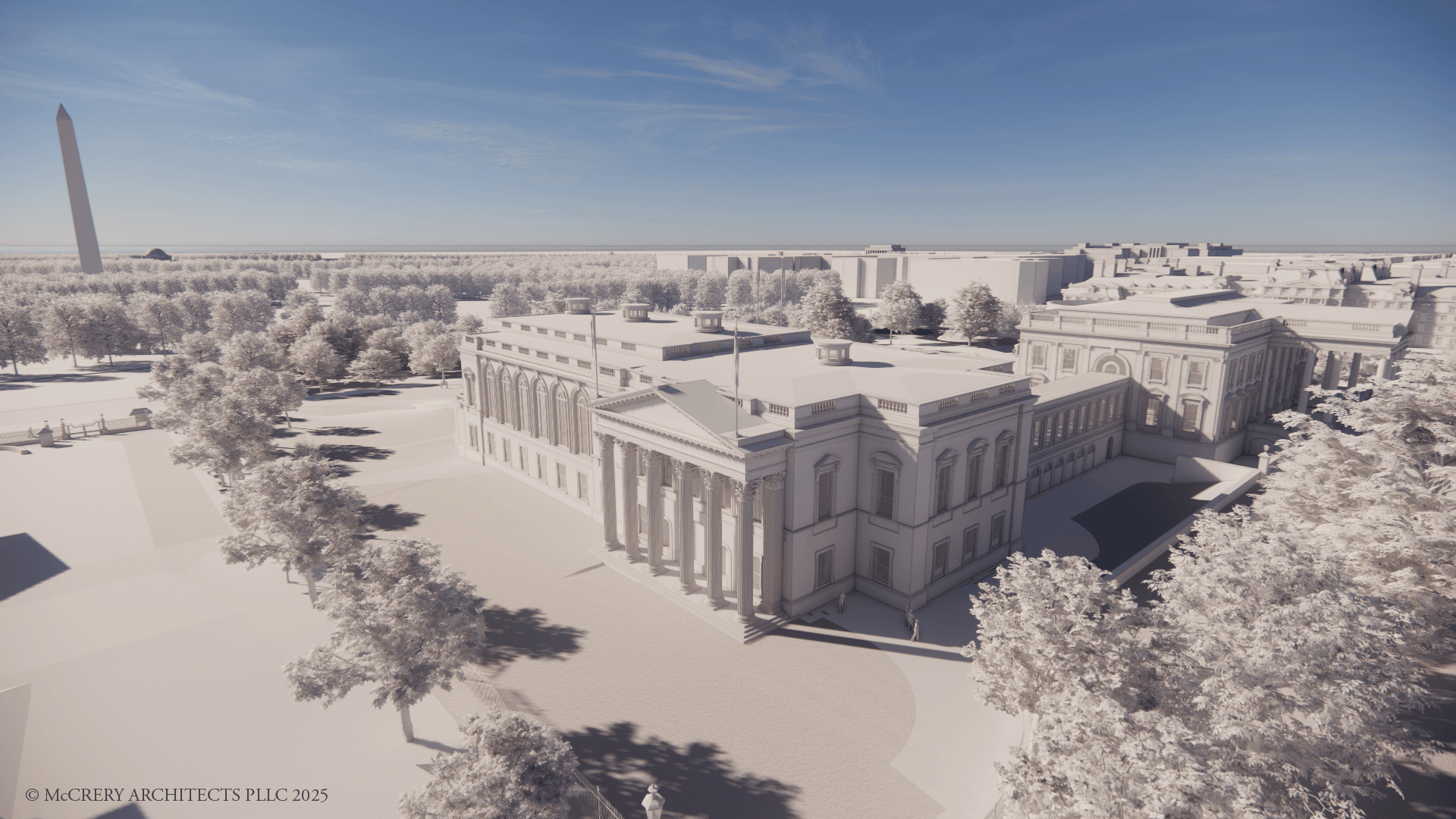
The National Capital Planning Commission voted 9-1 Thursday to approve President Trump's plans for a 90,000-square-foot neoclassical ballroom on the White House grounds, clearing the project's final procedural hurdle even as a federal judge's order keeps above-ground construction halted.
Two commissioners voted present. Phil Mendelson, who sits on the 12-member commission by virtue of his role as D.C. Council chair, cast the lone dissenting vote, objecting to the structure's height, which would rise roughly as tall as the White House itself. "It's just, I'm trying to be nice here, it's just too large," Mendelson said. "And if we can get the same program but not as tall, not competing in height with the main structure, and a condensed footprint, we are better for that."
Commission chair Will Scharf, a Trump appointee and the president's former personal lawyer who serves as White House Staff Secretary, pushed back firmly against critics. "The White House complex, in its first century, grew in fits and spurts, and it has continued to do so until the present day," Scharf said Thursday. He added that the ballroom, designed to seat 1,000 guests, would eventually "be considered every bit as much of a national treasure as the other key components of the White House."
The approval came just two days after U.S. District Judge Richard Leon ruled that Trump is not the legal "owner" of the White House and that construction must stop until Congress authorizes the work. The Department of Justice has appealed that ruling. The NCPC proceeded with its vote Thursday because the judge's order restricts construction activity, not the planning review process itself.
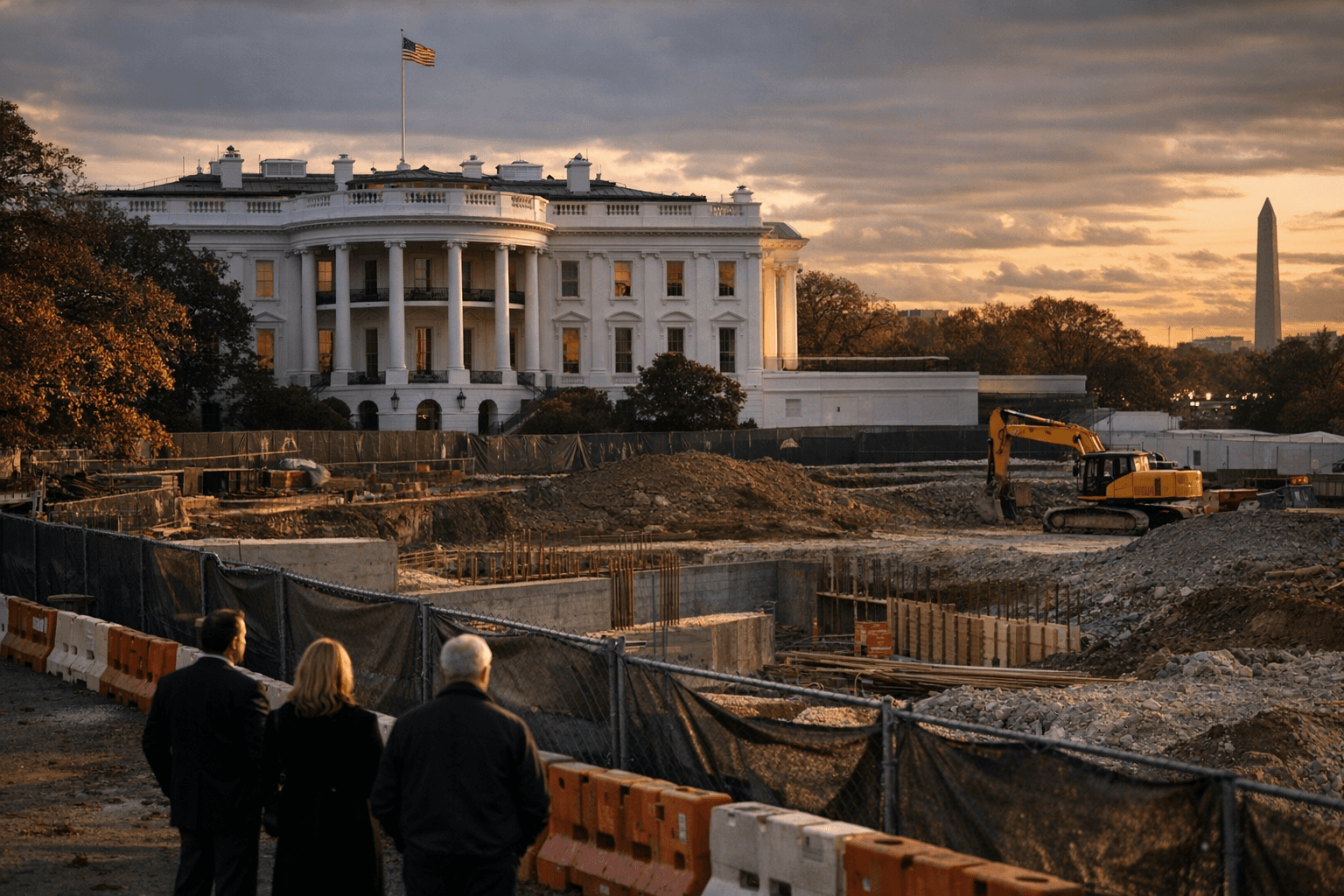
The $400 million project, financed through private donations according to the White House, replaces the East Wing that Trump had demolished in October with little public warning. Site preparation and underground work have continued since, with Trump revealing earlier this week that the military is constructing a bunker beneath the future ballroom. Architect Shalom Baranes presented refinements to the building's exterior at Thursday's session; notably, the amended design removes a grand staircase from the south face of the building, though the footprint remains unchanged.
The vote had already been delayed one month by an extraordinary volume of public opposition. More than 32,000 comments flooded into the commission, and over 100 people, including architects and historic preservationists, signed up to testify at the March session. The National Trust for Historic Preservation filed suit against the project late last year, arguing construction proceeded without the required NCPC review. Commissioner and senior White House aide James Blair dismissed many of the objections as "unserious" and politically motivated.
Scharf said he personally reviewed every public comment submitted and characterized a significant share as "unresponsive" to the commission's actual review criteria. Trump, for his part, has described the ballroom as "the finest ballroom of its kind anywhere in the world," arguing the existing tent structure on the South Lawn leaves foreign leaders sitting in puddles during rain.
With the NCPC vote in hand, the administration faces the more immediate obstacle in federal court, where the legal battle over congressional authorization is set to determine whether the project can advance to above-ground construction at all.
Sources:
Know something we missed? Have a correction or additional information?
Submit a Tip