White House Correspondents’ Dinner Shooting Overshadows Iran Diplomacy Talks
A shooting at the Washington Hilton forced Trump, Melania Trump and JD Vance out of the Correspondents’ Dinner just as Iran talks in Islamabad were unraveling.
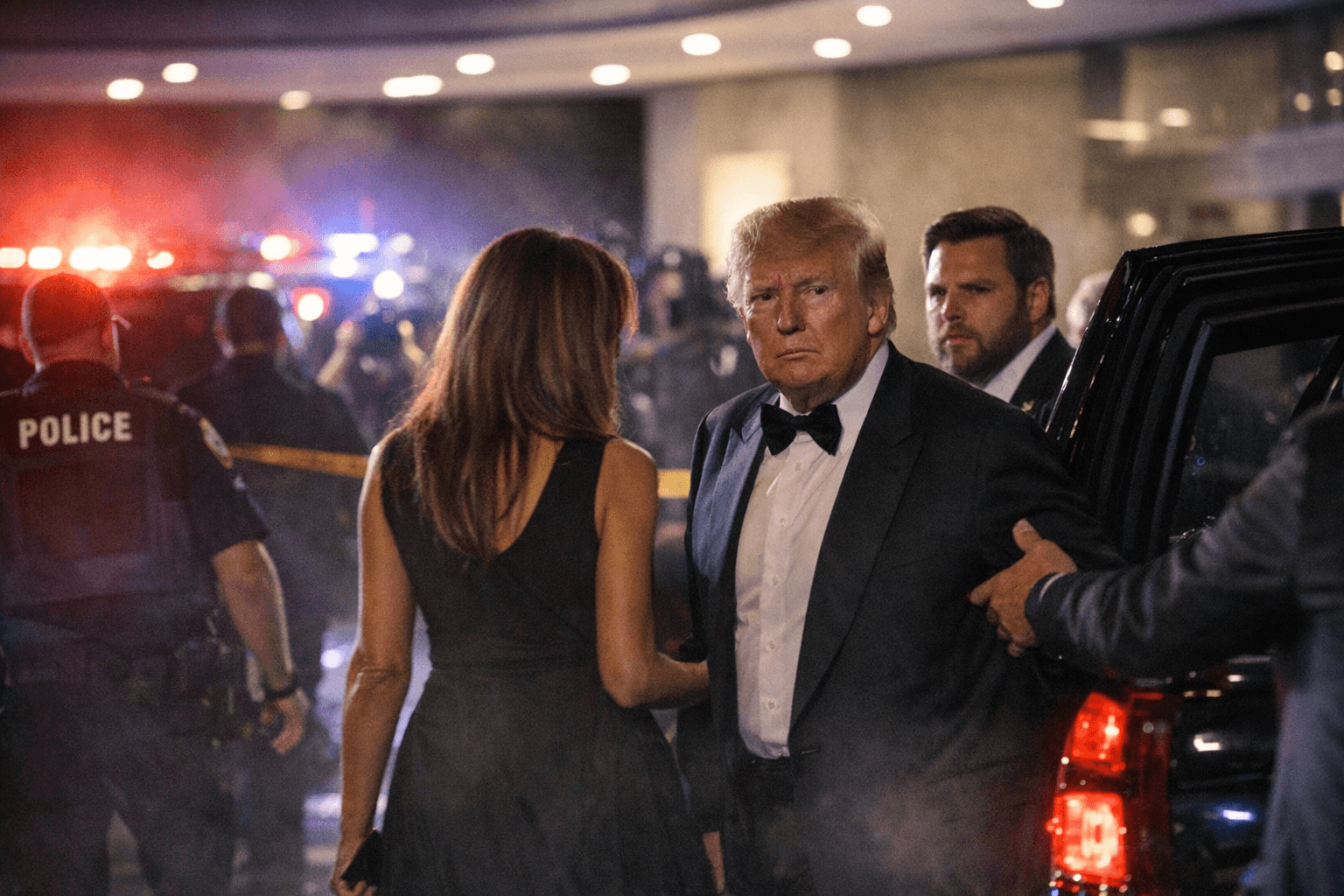
The gunfire that cleared the Washington Hilton on Saturday night did more than interrupt the White House Correspondents’ Association Dinner. It shoved aside a fragile diplomatic moment, pulling attention away from a collapsing U.S.-Iran peace effort centered in Islamabad and leaving the White House to manage two crises at once.
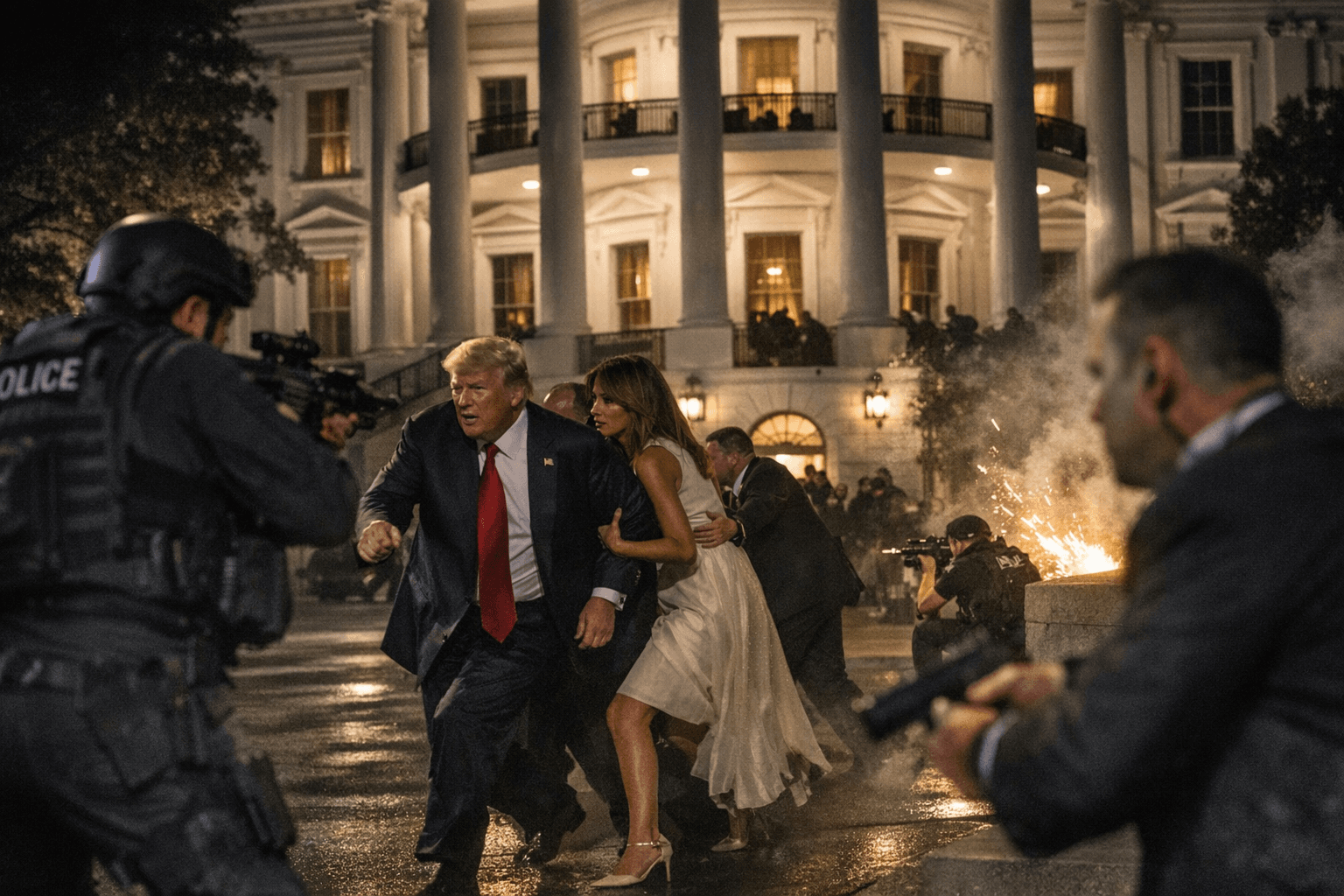
Secret Service agents evacuated President Donald Trump, Melania Trump, Vice President JD Vance and other officials after shots were heard near a security checkpoint at the Washington, D.C. hotel. Authorities said the suspect was in custody after charging the checkpoint and firing at a Secret Service agent before being subdued. ABC News identified the suspect as Cole Allen of Torrance, California. Trump later said he initially thought the sound might have been a tray falling, and he added that he did not think the shooter was motivated by the Iran war, though, in his words, “you never know.”
Trump also said the dinner would be rescheduled within 30 days, underscoring how quickly the episode disrupted the capital’s political calendar. But the deeper consequence was the way it crowded out a diplomatic storyline that had already been under strain. On the same day, Trump abruptly canceled a planned trip by special envoy Steve Witkoff and Jared Kushner to Islamabad for Iran talks, saying there had been “too much time wasted,” “infighting and confusion” in Tehran’s leadership, and that “we have all the cards.”
That cancellation hit a mediation track in which Pakistan had become the central broker. Iranian Foreign Minister Abbas Araghchi had arrived in Islamabad on Friday and was expected to return there Sunday after a planned stop in Oman. His spokesperson denied that a direct U.S.-Iran meeting had been set, even as Pakistan’s leaders tried to keep the ceasefire process alive. Ishaq Dar said it was “imperative” to preserve the two-week ceasefire.
The talks in Islamabad had already exposed the scale of the gap. Earlier negotiations there lasted 21 hours and ended without an agreement, with Vice President JD Vance saying Iran had refused U.S. terms on nuclear restrictions. Reuters reported the war began on February 28, 2026, after U.S. and Israeli airstrikes on Iran, and thousands have been killed since then while the global economy has been roiled.
Israeli security cabinet minister Zeev Elkin warned that “the Iranians are playing with fire,” while Iranian media said “excessive” U.S. demands had slowed progress. With the White House now dealing with a shooting at one of Washington’s most visible political events, the Iran file entered another round of uncertainty, with Pakistan still positioned as the venue where the next move might be made.
Know something we missed? Have a correction or additional information?
Submit a Tip