White House dinner attack exposes hotel security gaps and privacy tradeoffs
A shotgun attack near the Washington Hilton showed how easily a hotel can be both a public gathering place and a high-value security target.
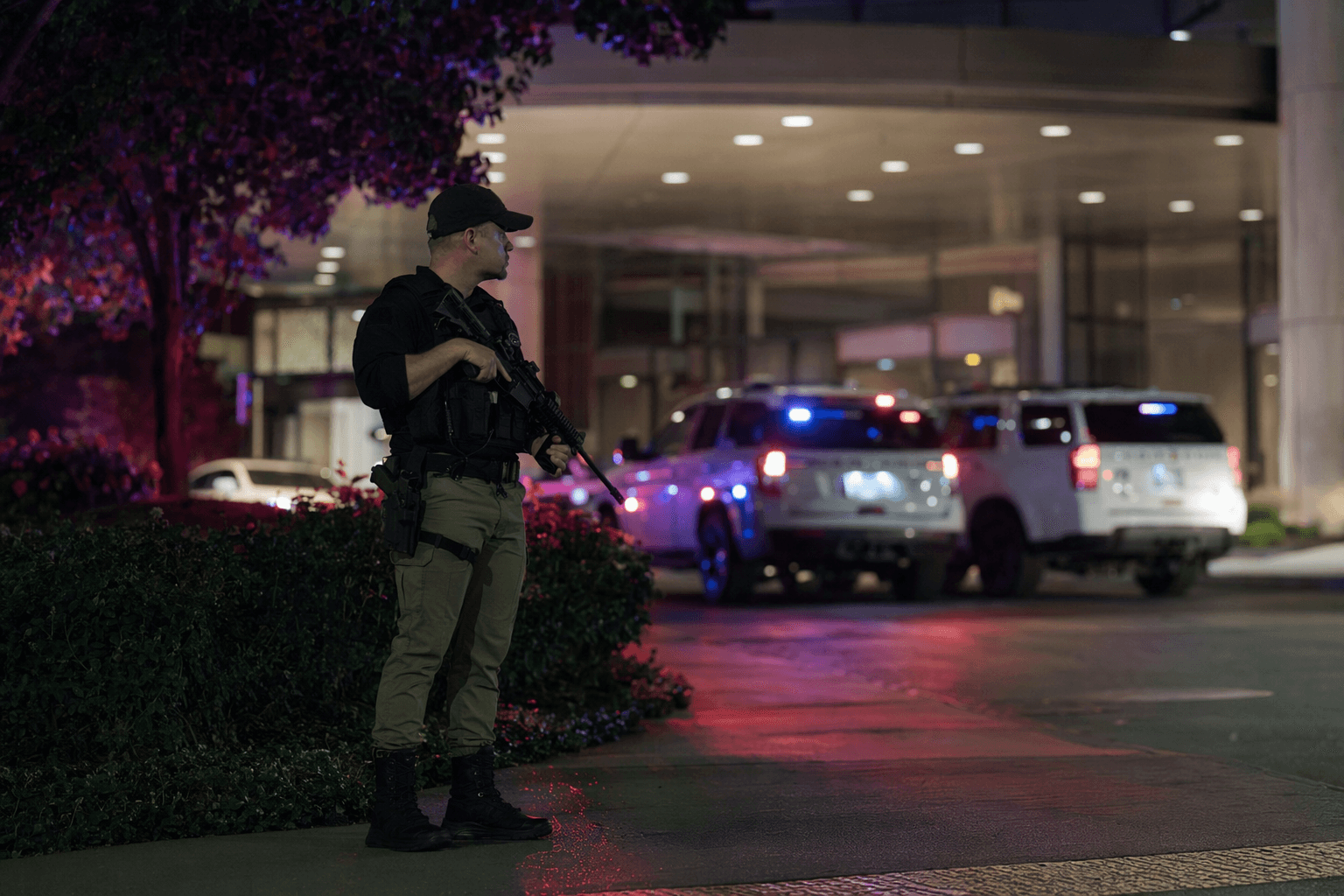
A shotgun attack near the White House Correspondents’ Association dinner laid bare a problem that reaches far beyond one tense night in Washington: major hotels are expected to stay open, welcoming and busy, even when they are hosting events that turn them into hardened targets. Law enforcement identified the suspect as Cole Allen, 31, and said he stormed a security checkpoint and fired near the Washington Hilton, where President Donald Trump was safely evacuated and no guests were injured.
The episode exposed the basic vulnerability of large hospitality properties. Hotels are built around multiple entrances and exits, round-the-clock arrivals, public lobbies and event spaces that sit beside guest rooms and back-of-house corridors. Those same features can be used to slip past inconsistent screening, blur the line between public and protected areas, and make complete control nearly impossible without changing the guest experience that hotels sell.
Allen’s manifesto, as described in the reporting, made that tension explicit. He said he expected cameras everywhere, armed agents at every turn and extensive screening, but claimed he found little of that. The details underscore a security dilemma that hotel operators know well: stronger controls can slow traffic, raise labor costs and make a property feel less like a place for business dinners and more like a checkpoint. That tradeoff becomes sharper when the guests include political leaders, donors, executives and the press.
Security experts have argued that better zoning and access control matter more than trying to screen every person the same way across a sprawling property. In a hotel, that means separating event areas from general guest flow, tightening who can reach elevators and service corridors, and deciding where surveillance should stop and privacy should begin. The problem is not just technical. It is financial, too. The nine largest hotel, casino and resort companies by revenue generated about $102 billion in 2025, a scale that shows both the industry’s resources and its reluctance to absorb large new security costs without clear demand.
The Washington Hilton said it was operating under stringent Secret Service protocols after the attack. Investigators retraced Allen’s path and charged him with serious crimes, including attempted assassination and firearm offenses. The larger lesson for the hotel business is stark: the old promise of hospitality now has to coexist with political risk, crowded public events and threats that can move faster than the industry’s willingness to redesign itself.
This article was produced by Prism’s automated news system from verified source data, official records, and press releases, then run through automated quality and moderation checks before publishing. The system is built and supervised by the people who set the standards it runs under. Read our full AI policy.
Did this article answer your question?

%3Amax_bytes(150000)%3Astrip_icc()%2FCertificate-of-deposit-2301f2164ceb4e91b100cb92aa6f868a.jpg&w=1920&q=75)
