White House forced Tulsi Gabbard to resign, Reuters reports
The White House pushed Tulsi Gabbard out as acting spy chief, while aides publicly blamed her husband’s illness, exposing a fight over intelligence messaging.
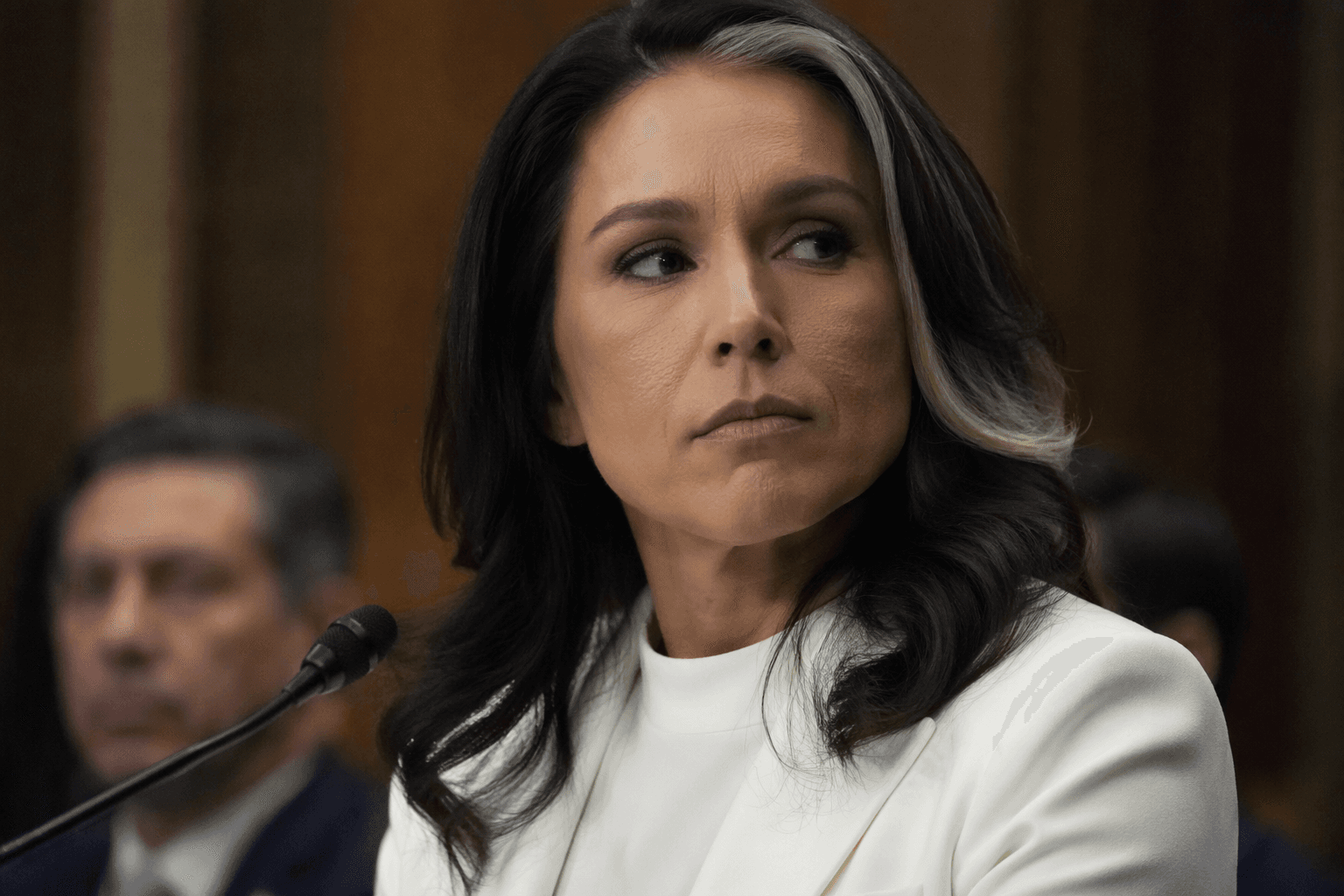
The White House has forced Tulsi Gabbard out of one of Washington’s most sensitive jobs, turning a personnel change into a test of who controls intelligence messaging at the top of government. Her resignation was set to take effect June 30, and President Donald Trump said Principal Deputy Director of National Intelligence Aaron Lukas would serve as acting director after she leaves.
The split between the public explanation and the internal account matters. Gabbard posted her resignation letter on X, while White House spokesperson Davis Ingle said she was departing in light of her husband Abraham Williams’ diagnosis. But the underlying account of her exit said the move came from the White House, not simply from Gabbard herself. In a system built on secrecy, timing and authority, that distinction signals pressure from above, not a routine handoff.
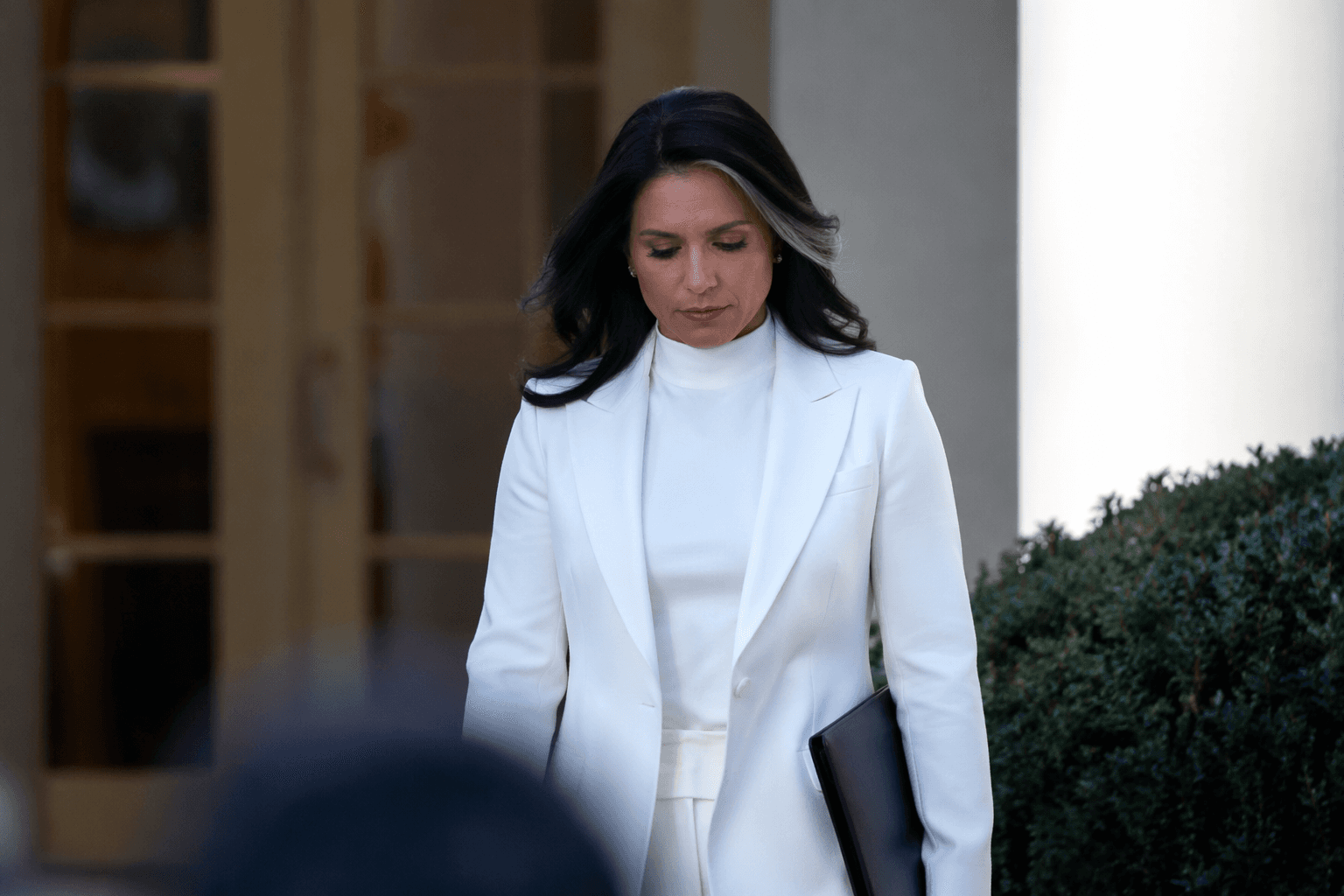
Gabbard had been sworn in as director of national intelligence on February 12, 2025, becoming the eighth Senate-confirmed DNI and the first female combat veteran to hold the post. That office sits over the U.S. Intelligence Community, a sprawling network of 18 agencies and organizations that feeds the president threat briefings, foreign policy analysis and sensitive assessments on issues from Iran to counterterrorism. Even a short leadership vacuum at that level can slow decisions and unsettle the chain of command.
Trump praised Gabbard in the Oval Office, saying she had done “a great job.” But the move still left open a larger question: whether this was a personal departure wrapped in private hardship, or a politically driven removal of an intelligence chief whose presence had become difficult to sustain. Some reporting linked the resignation to internal tension over the Iran war and said Gabbard had been sidelined from those discussions, adding to the sense that her authority had already been eroding inside the administration.
Lukas, who was confirmed by the Senate as principal deputy DNI on July 22, 2025, now becomes the face of continuity inside a national security apparatus under scrutiny. For the White House, the episode suggests not just turnover, but tighter control over who speaks for the intelligence state and how that message is delivered to the public.
This article was produced by Prism’s automated news system from verified source data, official records, and press releases, then run through automated quality and moderation checks before publishing. The system is built and supervised by the people who set the standards it runs under. Read our full AI policy.
Did this article answer your question?