White House recalls nearly thirty career ambassadors, reshapes diplomacy
The Trump administration has recalled nearly 30 career U.S. ambassadors and senior diplomats in a sweeping personnel move aimed at aligning embassies with President Trump’s America First priorities. The action touches missions across continents, raising concern among career diplomats and lawmakers about institutional independence and the practical impact on U.S. influence abroad.
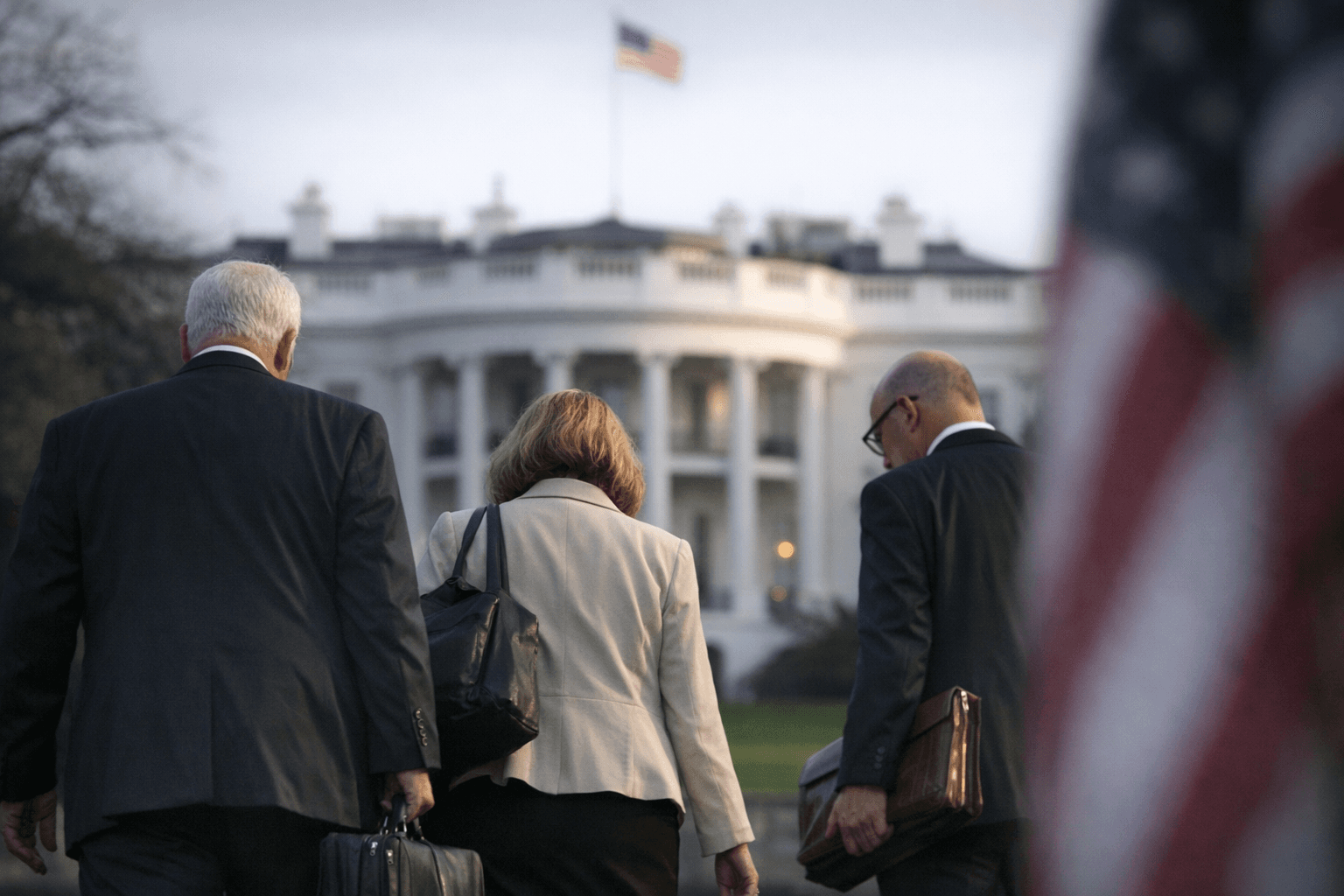
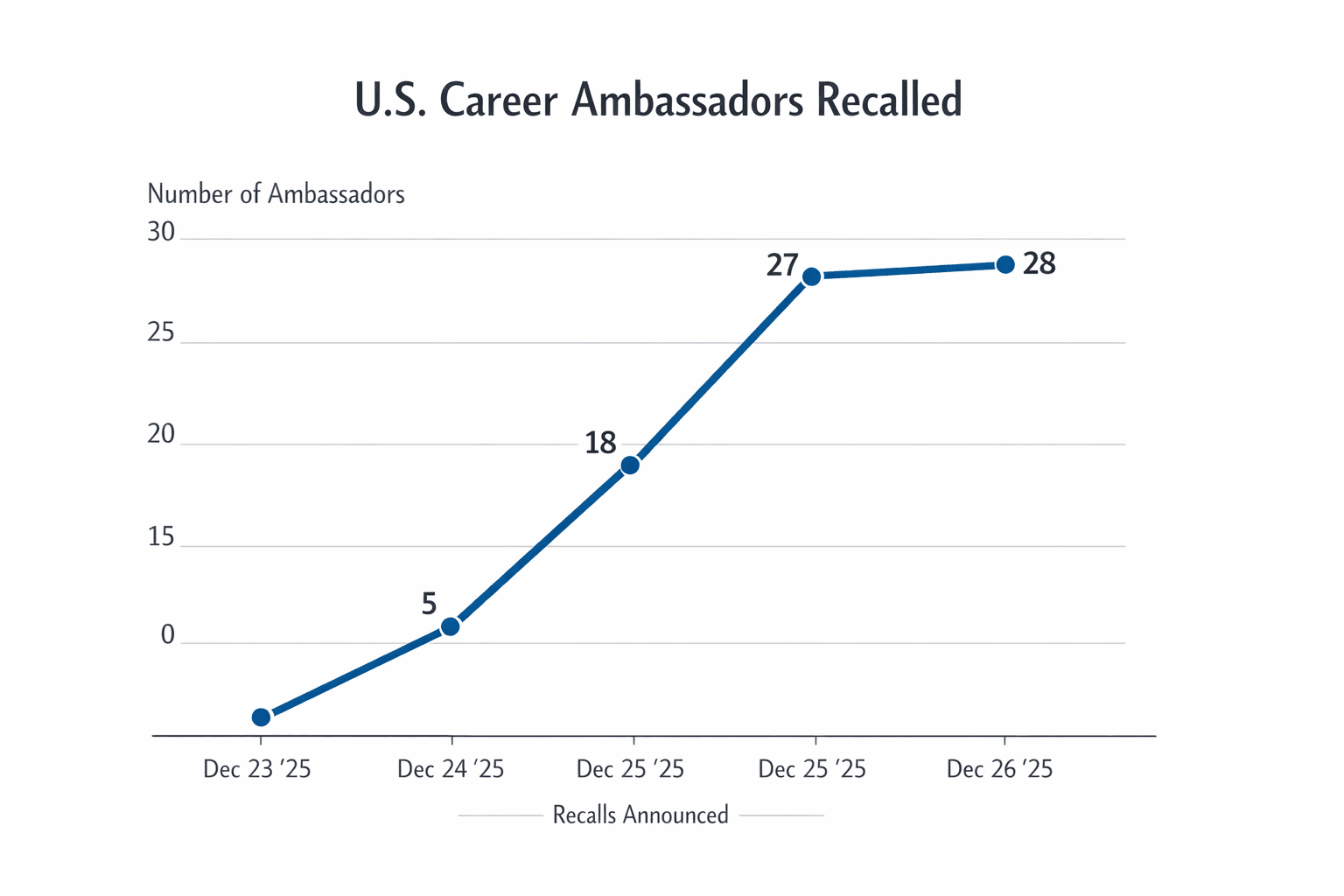
The Trump administration has recalled nearly 30 career U.S. ambassadors and other senior embassy diplomats in a broad shake up intended to realign U.S. diplomatic posts with President Donald Trump’s America First priorities. The move, announced on December 23, 2025, affects missions across Africa, Asia, Europe, the Middle East, and the Western Hemisphere and has prompted alarm from the union representing American diplomats and from some members of Congress.
Officials framed the recalls as part of what the State Department called “a standard process in any administration,” stressing that ambassadors are “a personal representative of the president” and thus must be fully devoted to advancing the administration’s agenda. Where accounts differ, some officials described the number of recalled envoys as around two dozen while others placed the figure at nearly 30. The department declined to release a full, vetted list of names or a public inventory of all affected posts.
Reportedly affected posts include missions in Armenia, North Macedonia, Montenegro, and Slovakia in Europe, Algeria and Egypt in the Middle East and North Africa, Nepal and Sri Lanka in South and Central Asia, and Guatemala and Suriname in the Western Hemisphere. Other accounts indicate the action reaches more broadly across Africa and Asia, though not every outlet provided an identical list of countries. The recalled envoys are career Foreign Service officers rather than political appointees.
Diplomatic officials told reporters that those recalled will not lose their foreign service status and will return to Washington with the option to accept other assignments within the State Department. Ambassadors serve at the pleasure of the president but traditionally remain at their posts for a term of three to four years. The department has not detailed timelines for replacements or whether successors will be drawn from career diplomats, political appointees, or a mix of both.
The union representing American diplomats criticized the action, saying it “continues to undermine the confidence in the professional Foreign Service’s ability to effectively carry out the policies of the elected leadership of our nation,” reflecting a broader anxiety about the politicization of the career diplomatic corps. Lawmakers from both parties raised concerns about the potential damage to institutional memory, bilateral relationships, and the capacity of embassies to manage crises and advance long term U.S. interests.
Administration officials argue the personnel changes are an exercise of presidential authority over foreign policy representation and are intended to ensure that U.S. diplomats faithfully execute current priorities. Critics counter that sweeping rotations at once risk disrupting on the ground operations and signaling instability to partner governments. With the State Department declining to publish a complete roster, Washington faces questions about the speed of replacements, the mix of appointees who will fill the vacancies, and the immediate diplomatic consequences in capitals where ambassadors have already been asked to return.
This article was produced by Prism’s automated news system from verified source data, official records, and press releases, then run through automated quality and moderation checks before publishing. The system is built and supervised by the people who set the standards it runs under. Read our full AI policy.
Did this article answer your question?


