White House Rejects Musk's Offer to Pay TSA Workers During Shutdown
The White House turned down Elon Musk's offer to personally cover TSA paychecks, leaving airport security workers unpaid during the partial government shutdown.
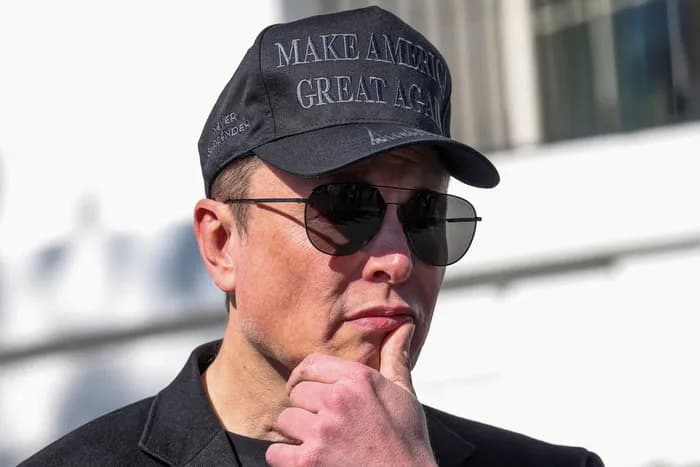
The White House rejected an offer from Elon Musk to cover the paychecks of U.S. Transportation Security Administration officers during a partial government shutdown, closing the door on an unusual private-sector intervention that had drawn rare bipartisan attention.
Musk posted the offer on X early Saturday morning, March 21. "I would like to offer to pay the salaries of TSA personnel during this funding impasse that is negatively affecting the lives of so many Americans at airports throughout the country," he wrote.
CBS News first reported the White House rejection on Wednesday, March 25, four days after Musk's offer went public. The administration offered no detailed public rationale for turning it down.
Whether such an arrangement would even have been legal remained an open question, as federal workers are typically paid through congressional appropriations and subject to strict rules governing compensation. A private billionaire stepping in to fund a federal agency's payroll has no clear modern precedent, and legal analysts have not weighed in publicly on the specific mechanism Musk proposed.
Sen. John Fetterman, a Democrat, shared Musk's post and called the offer "incredibly generous." The reaction was notable given that Musk has been a polarizing figure in Washington, particularly among Democrats, since his alignment with the Trump administration.
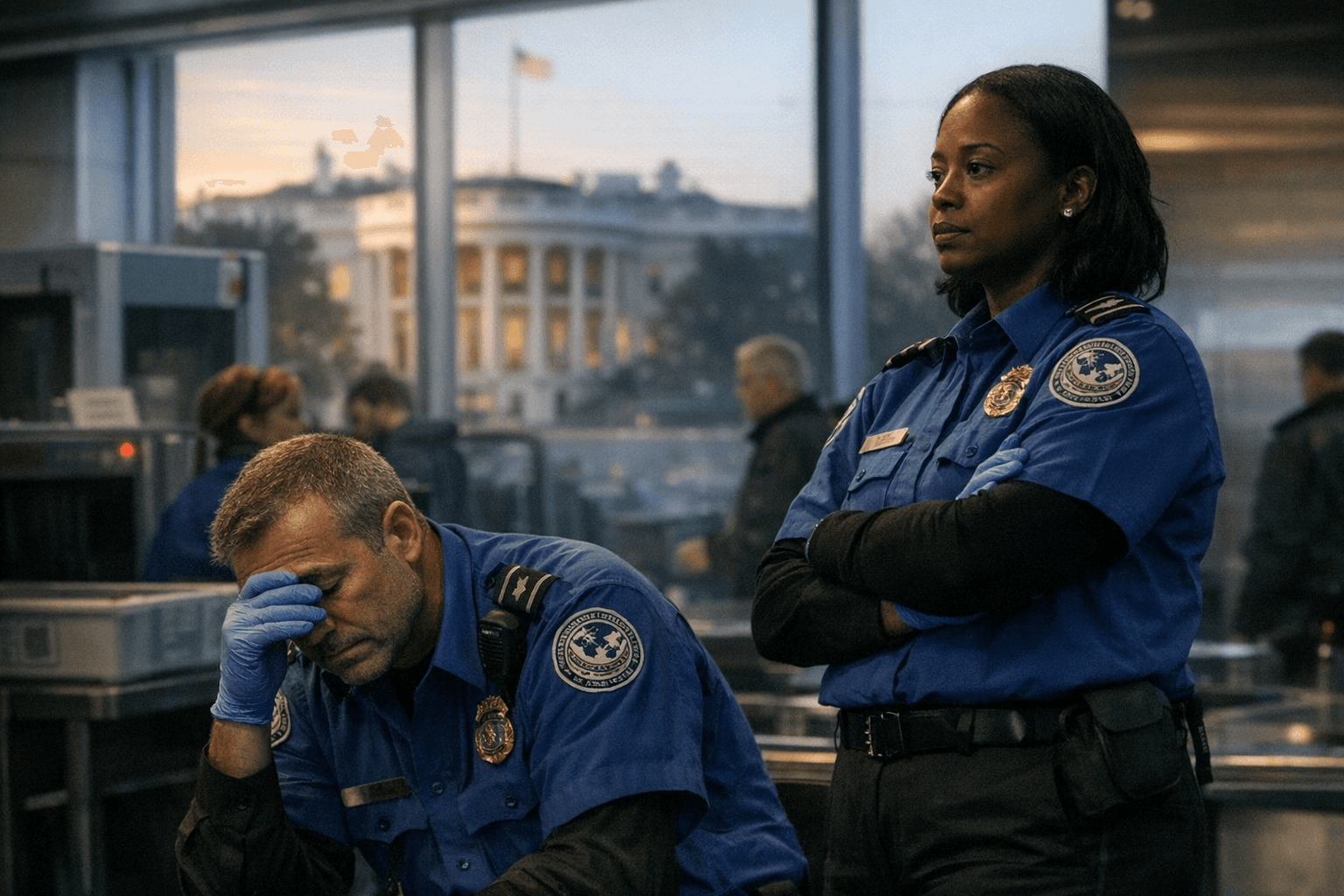
TSA officers, who screen millions of passengers at airports across the country, have been among the federal workers most directly affected by the funding impasse. Their continued presence at security checkpoints despite going unpaid has drawn renewed scrutiny to the human costs of prolonged congressional budget standoffs.
The White House rejection leaves no private funding mechanism in place, keeping the resolution of TSA workers' pay squarely in the hands of Congress.
Know something we missed? Have a correction or additional information?
Submit a Tip