White House targets 60 countries with tariffs over forced labor concerns
White House imposed forced-labor tariffs on 60 economies as it seeks firmer legal footing after the Supreme Court curbed earlier tariff powers.
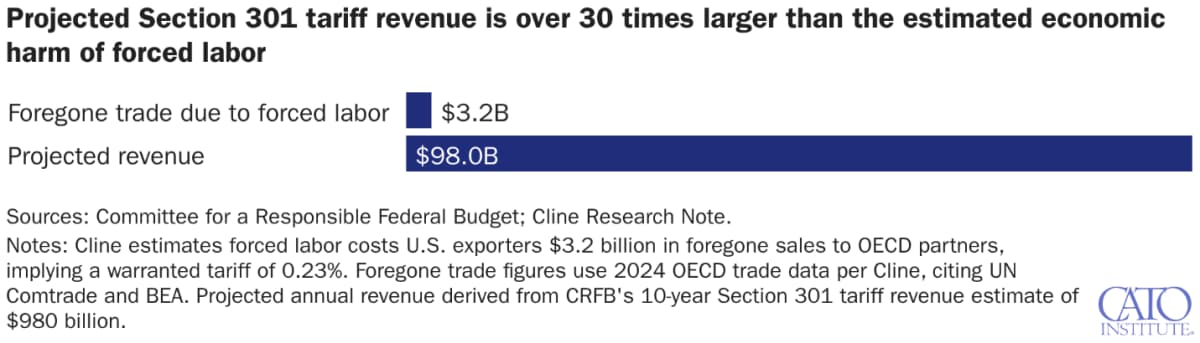
As temporary 10% duties expired, the White House imposed tariffs on 60 economies, turning a forced-labor investigation into active import levies.
The action grew out of a Section 301 case under the Trade Act of 1974. A June 2 Office of the United States Trade Representative report found 60 economies had failed to impose and effectively enforce bans on imports of goods produced with forced labor. A June 5 notice of action followed under Sections 301(b) and 304(a), and the agency opened a public comment period before final action. The planned duties were set at 10% or 12.5%, with nearly 60 U.S. trade partners affected, including the European Union, Canada, Mexico, Japan and China.
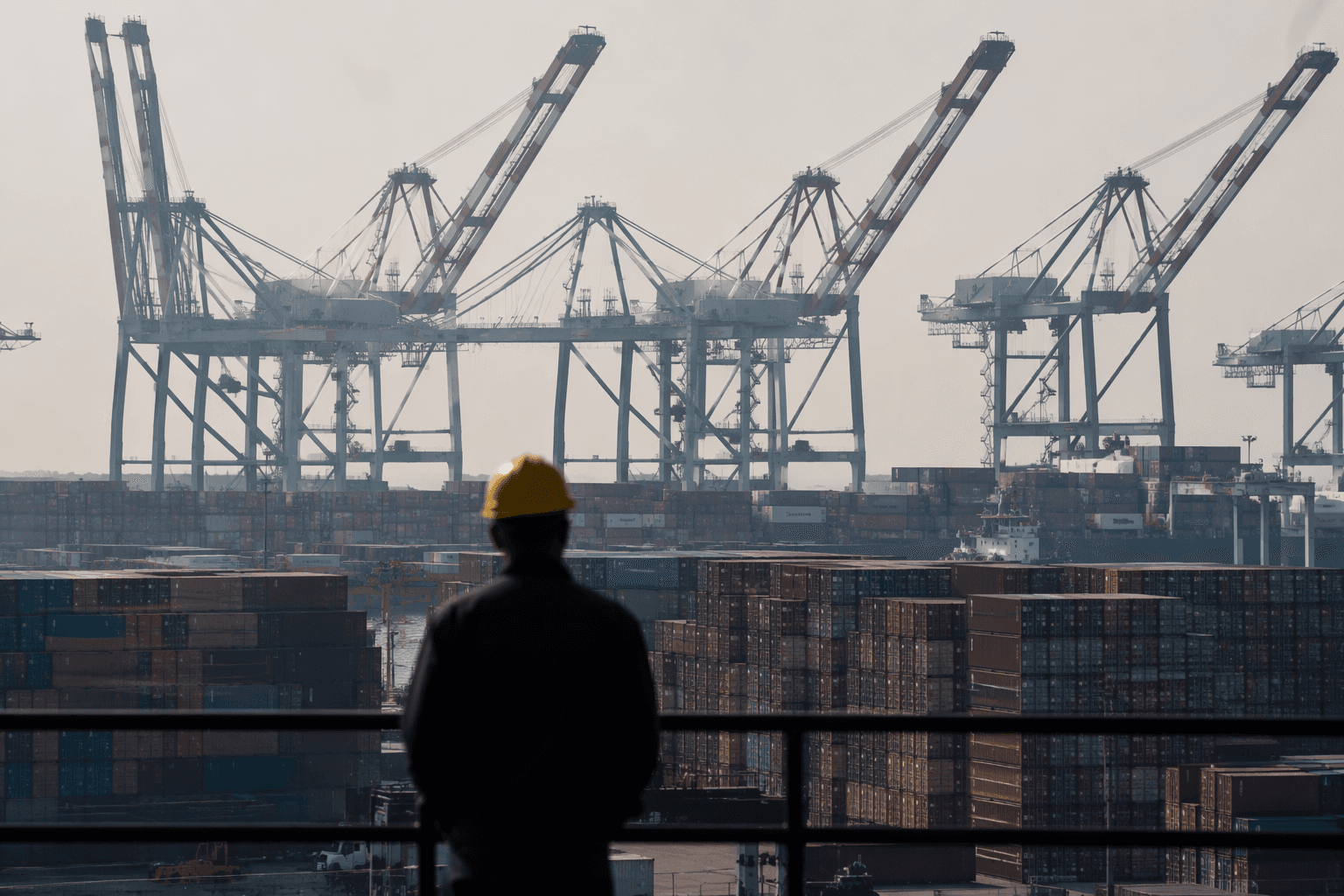
The legal question is whether that forced-labor record is enough to support tariffs that look a lot like the broad trade barriers the administration lost in court. Section 301 gives the U.S. Trade Representative authority to investigate foreign trade practices and respond with measures including tariffs. To defend the policy, the White House will need a detailed record showing that each targeted economy failed to police forced-labor imports and that tariffs were a reasonable response under that statute, not just a substitute for an invalidated tariff program.
Trade critics have already argued that the Section 301 determinations were flawed and did not justify tariffs. The move fits a broader effort to rebuild tariff coverage after courts struck down earlier tariff authorities, including emergency tariffs rejected by the Supreme Court.
Importers bringing in goods from the targeted economies face the new duty burden, and those costs can move through wholesalers, retailers and consumers. With the European Union, Canada, Mexico, Japan and China in the mix, the tariffs reach into supply chains that are deeply embedded in U.S. trade.
This article was produced by Prism’s automated news system from verified source data, official records, and press releases, then run through automated quality and moderation checks before publishing. The system is built and supervised by the people who set the standards it runs under. Read our full AI policy.
Did this article answer your question?