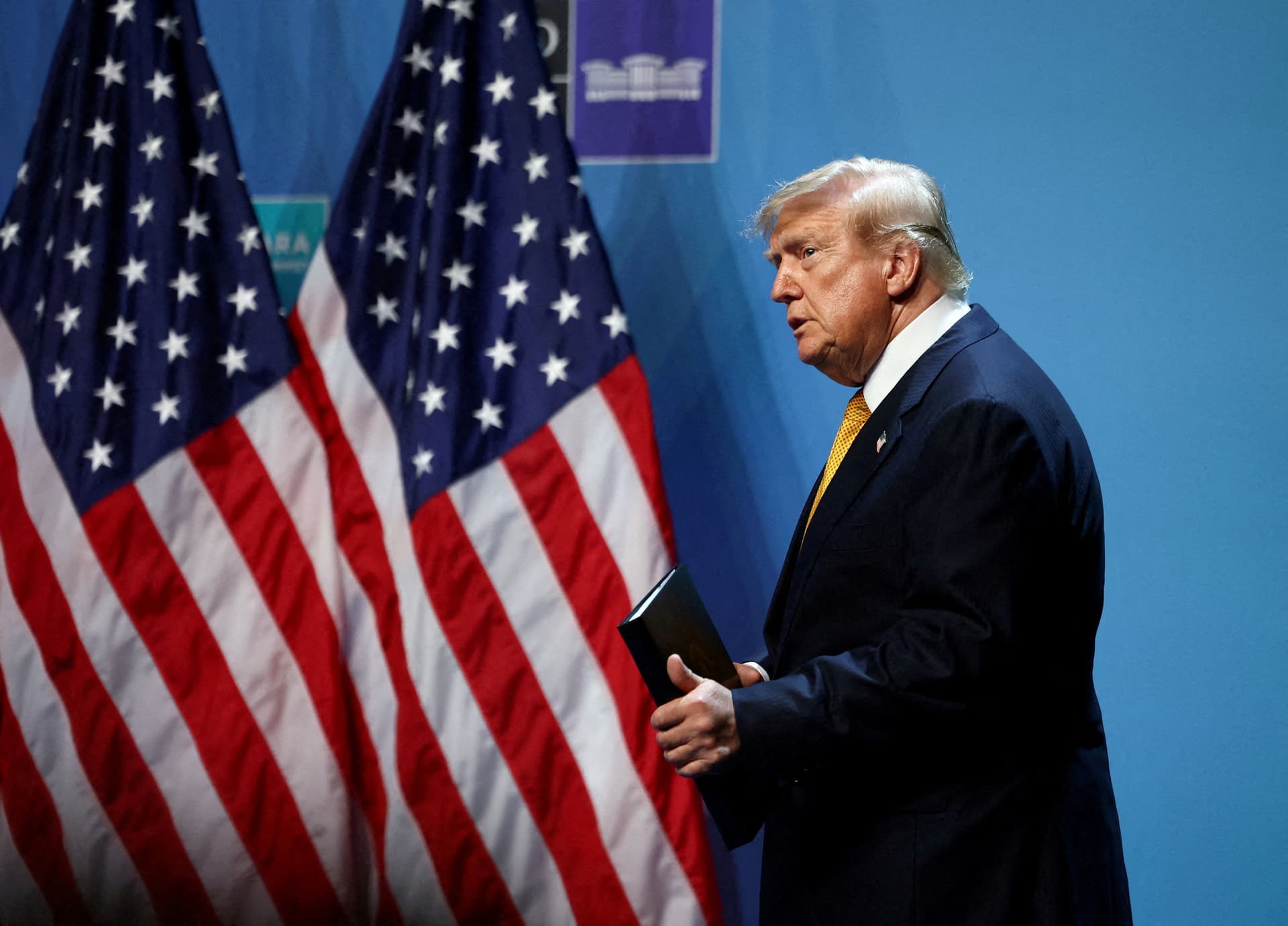
White House teleprompter operator on leave after Trump bet probe
A White House teleprompter operator was put on unpaid leave after Kalshi trades tied to Trump remarks drew federal scrutiny and ethics concerns.
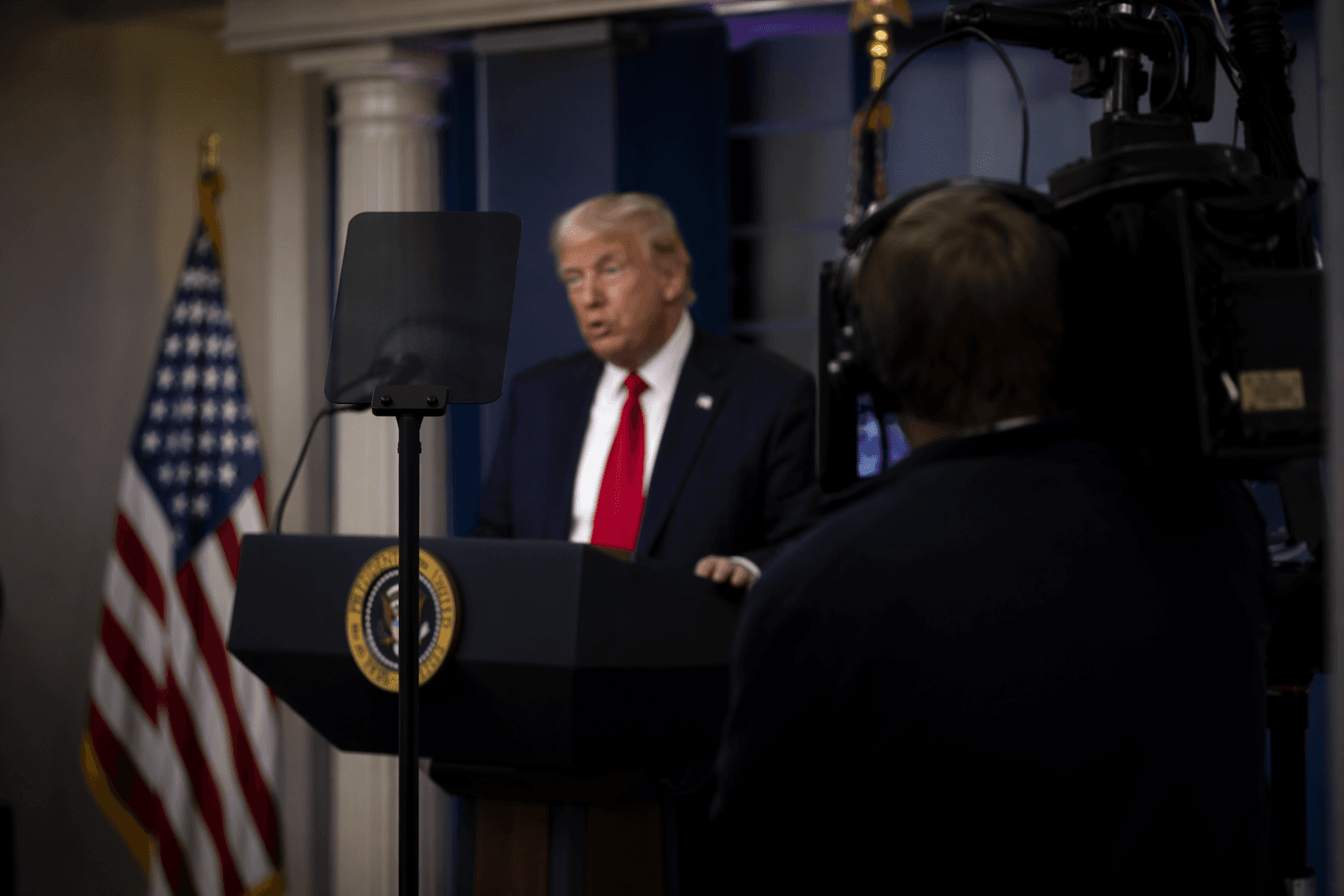
The White House placed Gabriel Perez on unpaid leave after his prediction-market activity was flagged to federal regulators, turning a quiet staff role into a test of White House ethics controls. The question now is not only whether Perez traded on advance knowledge of President Donald Trump’s remarks, but whether current rules are strong enough for political wagering markets that move on inside access.
Perez has been described in multiple reports as Trump’s longtime teleprompter operator and as someone who has worked for him since 2016. Those reports say he may have made more than $100,000, or nearly $100,000, by betting on what Trump would say in public speeches on Kalshi, one of the prediction markets that has grown more prominent in political betting.
Reuters reported that Perez is under investigation by federal regulators over potential insider trading. Other reports say he is in settlement talks with the Commodity Futures Trading Commission, the federal agency that oversees derivatives and prediction markets, after Kalshi itself flagged the trades and contacted regulators. ABC News said the bets were tied to Trump’s public remarks, including the State of the Union address, and that the activity drew attention because it appeared to reflect advance knowledge of the president’s planned comments.
White House press secretary Karoline Leavitt said the president is aware of the situation. The episode has also revived concern inside Washington about whether staff with proximity to the president can use that access to gain an edge in markets that trade on political information rather than stocks or bonds.
The White House had already warned staff not to place bets on prediction markets or use insider information, with one reported email going out on March 24. That warning followed earlier reporting about prediction-market bets during the Iran-war period, when White House officials were also told to stay away from wagers that could rely on nonpublic information.
NPR said this appears to be the first known case of officials investigating suspected insider trading on a prediction market from inside the White House. As Kalshi and Polymarket draw more attention from political bettors, the Perez case is pushing vetting, disclosure rules and enforcement standards into a new corner of government ethics.
This article was produced by Prism’s automated news system from verified source data, official records, and press releases, then run through automated quality and moderation checks before publishing. The system is built and supervised by the people who set the standards it runs under. Read our full AI policy.
Did this article answer your question?