White House touts strong jobs report as Iran war fuels inflation
Gas prices climbed to $4.546 a gallon as the White House leaned on March job gains to sell a strong economy that many households felt less than they saw.
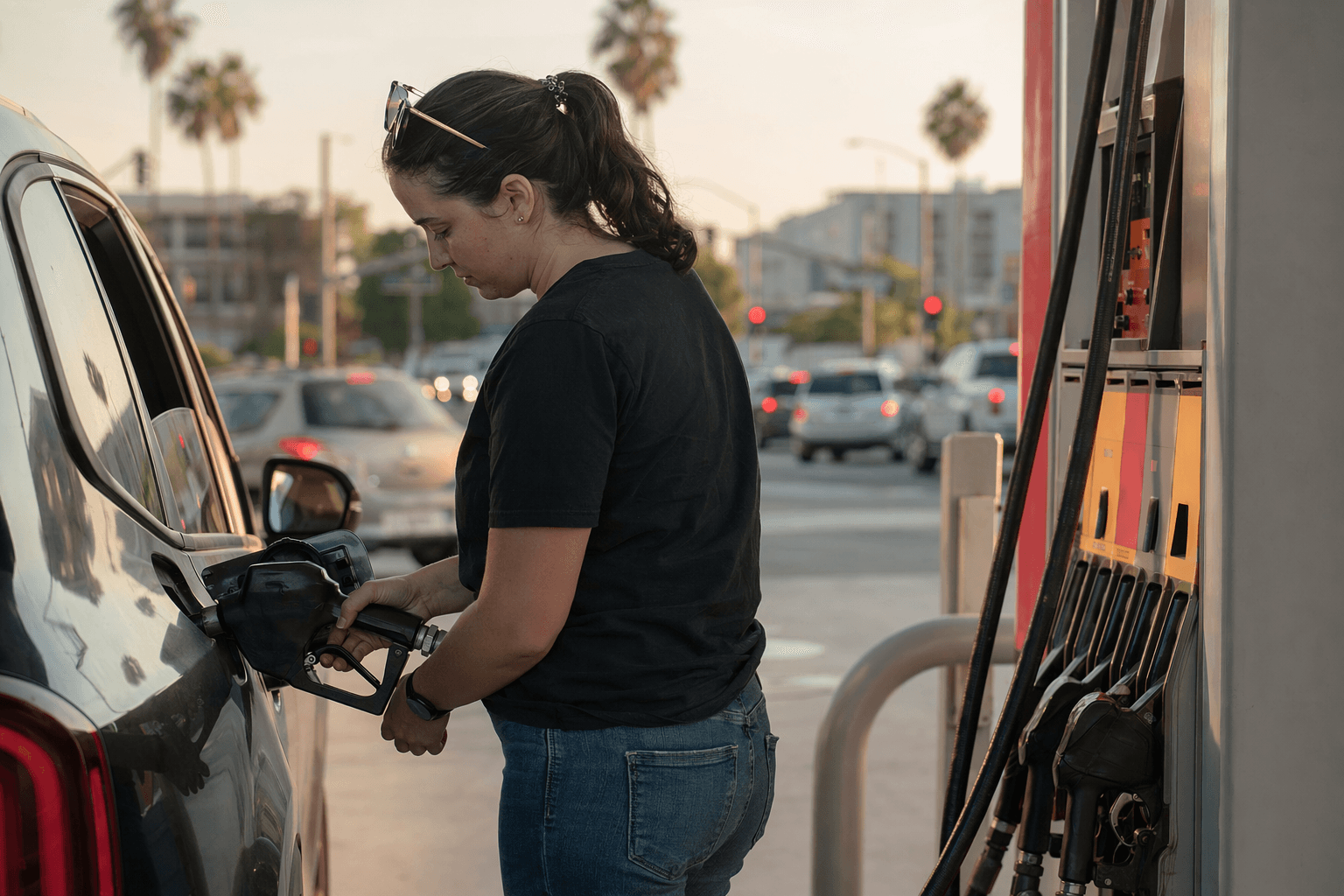
The White House tried to point to a solid jobs market, but the sharp rise in fuel costs kept undercutting the message at the pump. March payrolls rose by 178,000 and the unemployment rate held at 4.3%, yet gasoline prices surged through April and early May as the Iran war fed a fresh inflation shock.
Treasury officials told the Treasury Borrowing Advisory Committee on May 4 that the economic landscape under Donald Trump was favorable and said business investment rose by more than 10% in the first quarter of 2026. The administration has also leaned on its April 2026 Economic Report to argue that the economy remains on firm footing, even as the cost of fuel has become the clearest sign of strain for consumers.
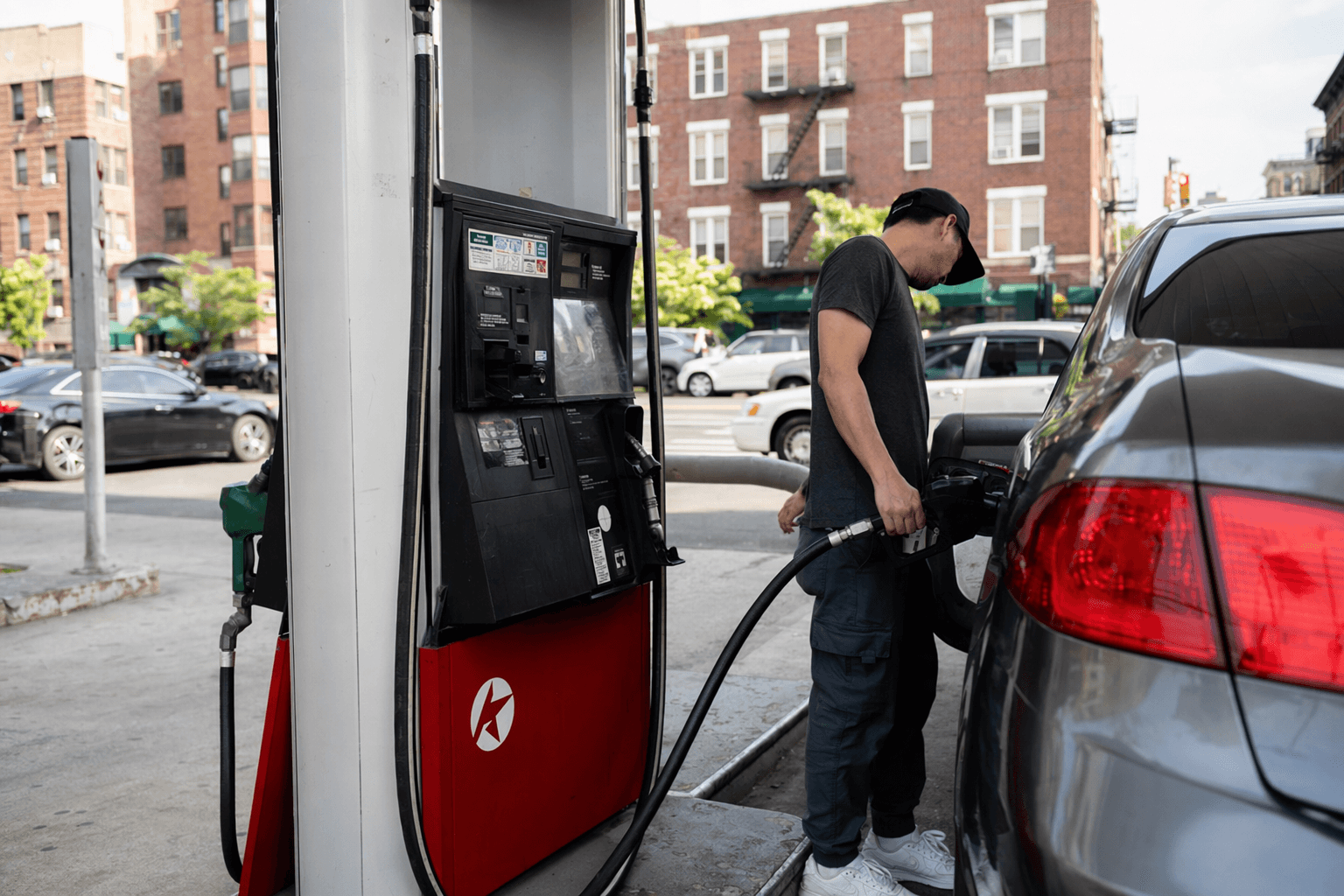
The numbers at the pump tell a different story. The Bureau of Transportation Statistics said the average price of regular gasoline reached $4.10 a gallon in April, up 12.8% from March and 29.4% from a year earlier. AAA pushed the national average even higher on May 8, reporting $4.546 a gallon. Late-April coverage said the war had pushed gas above $4 and driven inflation to its fastest pace in four years in March as fuel costs rose.
The pressure has spread beyond drivers. Airlines have responded to higher jet fuel costs by raising fares and cutting millions of seats, a warning sign that the shock is moving through travel and transportation networks. Analysts have said the damage could linger through 2026 even if the conflict eases, leaving the White House to defend an economy that looks stronger in payroll reports than it does in household budgets.
There was at least one upbeat data point for the administration to cite. Reuters reported on May 6 that private payrolls rose by 109,000 in April. But Republican strategists have warned that the White House’s upbeat economic message may be falling flat with voters, especially as the administration has shifted from broad assurances about falling gas prices to a more defensive tone.
That gap between official optimism and lived experience has become the central political risk. Jobs growth and business investment can support the case for resilience, but a national average gasoline price above $4.50 a gallon is the kind of number consumers notice instantly, and it is shaping the public test of Trump’s claim that the economy is strong.
This article was produced by Prism’s automated news system from verified source data, official records, and press releases, then run through automated quality and moderation checks before publishing. The system is built and supervised by the people who set the standards it runs under. Read our full AI policy.
Did this article answer your question?
%3Amax_bytes(150000)%3Astrip_icc()%2FCertificate-of-deposit-2301f2164ceb4e91b100cb92aa6f868a.jpg&w=1920&q=75)