Whitman College caps tuition at 10% of family income
Whitman College pledged tuition will never exceed 10% of family income, but families still face an $86,620 annual cost of attendance before travel.
Whitman College said it would never charge a student more than 10% of family income for tuition, a promise meant to replace the usual maze of college pricing with a single, readable formula. The Walla Walla, Washington, college said the Whitman 10% Promise is based only on adjusted gross income from the FAFSA, with no income limits and no tuition tiers.
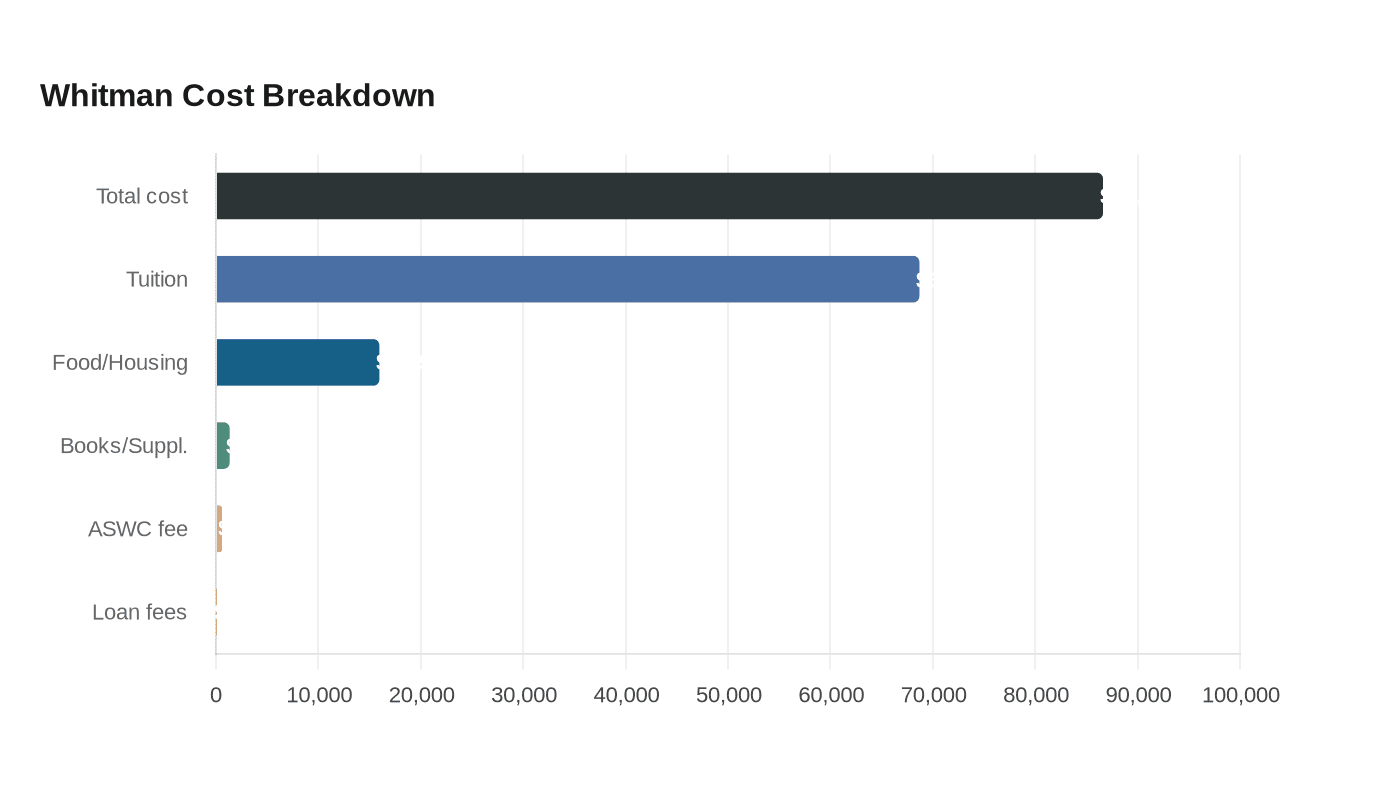
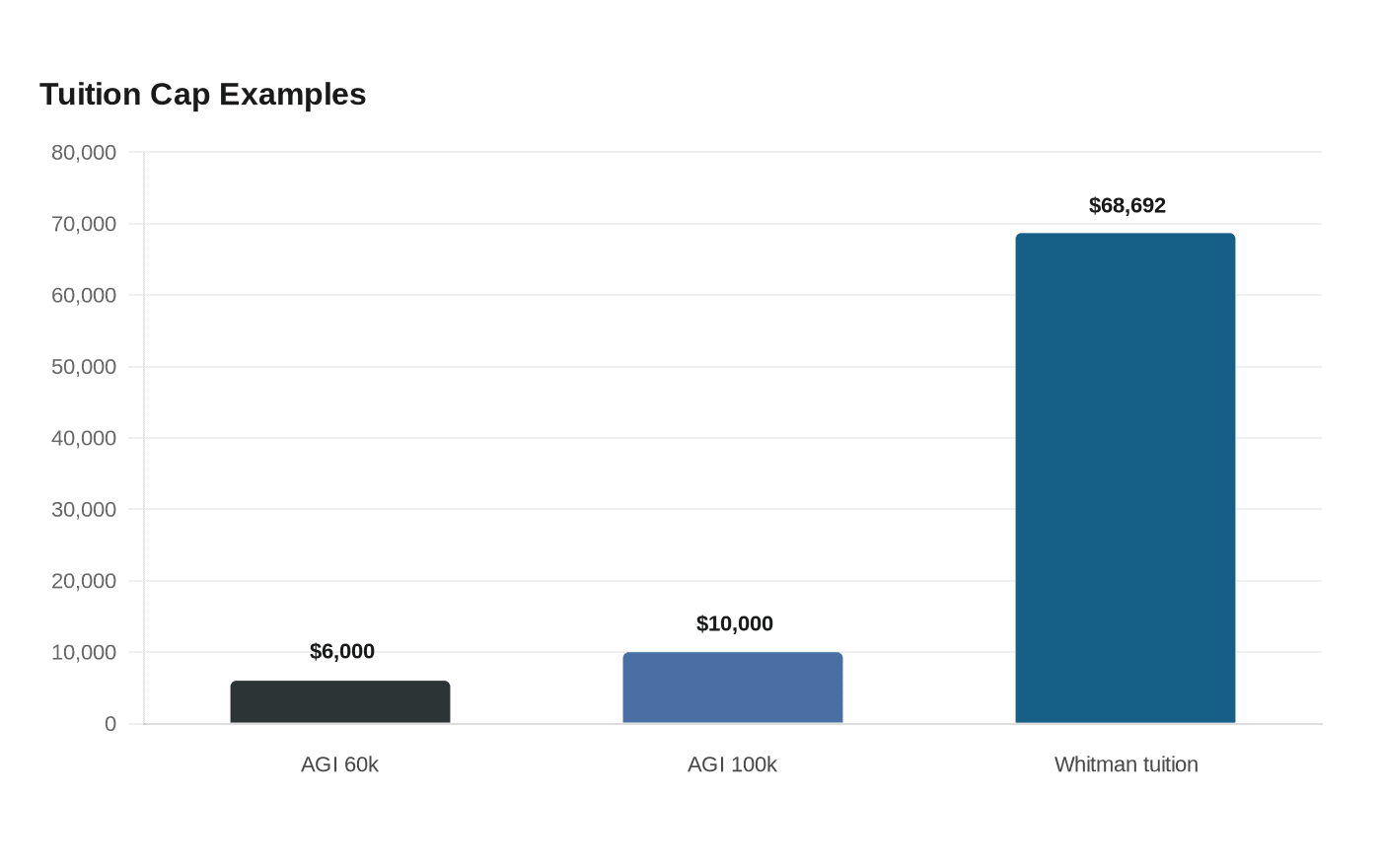
The pitch sounds simple because it is. If a family’s adjusted gross income is $60,000, tuition would be capped at $6,000. At $100,000, the cap would be $10,000. Whitman’s own 2026-27 tuition is $68,692, a figure that makes the promise look less like a discount and more like a wholesale rewrite of how the school frames price. The college also lists an estimated total cost of attendance of $86,620 before travel, including a $576 ASWC fee, $15,952 for on-campus food and housing, $1,332 for books, supplies and incidentals, and $68 in loan fees.

Adam Miller, Whitman’s vice president for admission and financial aid, said the current aid system is “a hassle” and often feels opaque. Kelly Harrington, director of college counseling and student services at UPrep Middle and High School in Seattle, called the 10%-of-income promise a powerful statement that affordability should be understandable, not mysterious. That distinction matters because most families do not shop for college like they shop for groceries. They are asked to compare published tuition, estimated aid, loans and living costs at the same time, often before they know whether they will get an offer at all.
Whitman said nearly 97% of its students receive scholarships and aid, and that it meets the full demonstrated financial need of all incoming students. The college also offers an Early Financial Aid Guarantee, which lets high school seniors learn their aid package before applying. That process runs from June 30 through Dec. 15, with results generally available within a couple of weeks, and the request process reopens in summer 2026 for rising seniors.
The college’s move lands in a national pricing landscape where sticker prices and actual bills still diverge sharply. College Board reported average published tuition and fees of $43,350 at private nonprofit four-year colleges in 2024-25. The National Center for Education Statistics said the average net price at private nonprofit four-year institutions was $29,700 in 2021-22, while the average total cost of attendance for students living on campus was $58,600 in 2022-23.
Whitman’s promise may prove to be genuine affordability reform, or it may read as a more marketable tuition pitch. Either way, it pushes the conversation toward clearer guarantees, and away from the opaque pricing culture that has long left families guessing.
This article was produced by Prism’s automated news system from verified source data, official records, and press releases, then run through automated quality and moderation checks before publishing. The system is built and supervised by the people who set the standards it runs under. Read our full AI policy.
Know something we missed? Have a correction or additional information?
Submit a Tip