June 21 marks solstice, Constitution ratification, first Ferris wheel debut
The year’s longest day also recalls New Hampshire’s 1788 ratification and Chicago’s first Ferris wheel, a 264-foot debut that drew more than 1 million riders.
June 21 gives the calendar a rare double meaning: it is both an astronomical marker and a civic one. In the Northern Hemisphere, the summer solstice arrives when the sun sits directly over the Tropic of Cancer, making it the longest day and shortest night of the year. In 2026, astronomical summer began on Sunday, June 21, turning the date into a fixed point in the national rhythm of season change.
The same day also carries a constitutional weight. New Hampshire ratified the U.S. Constitution on June 21, 1788, becoming the ninth state needed to put the document into effect. That vote pushed the country from a loose arrangement of states toward a stronger national framework, giving the new government the authority it needed to operate as more than a set of separate local interests.
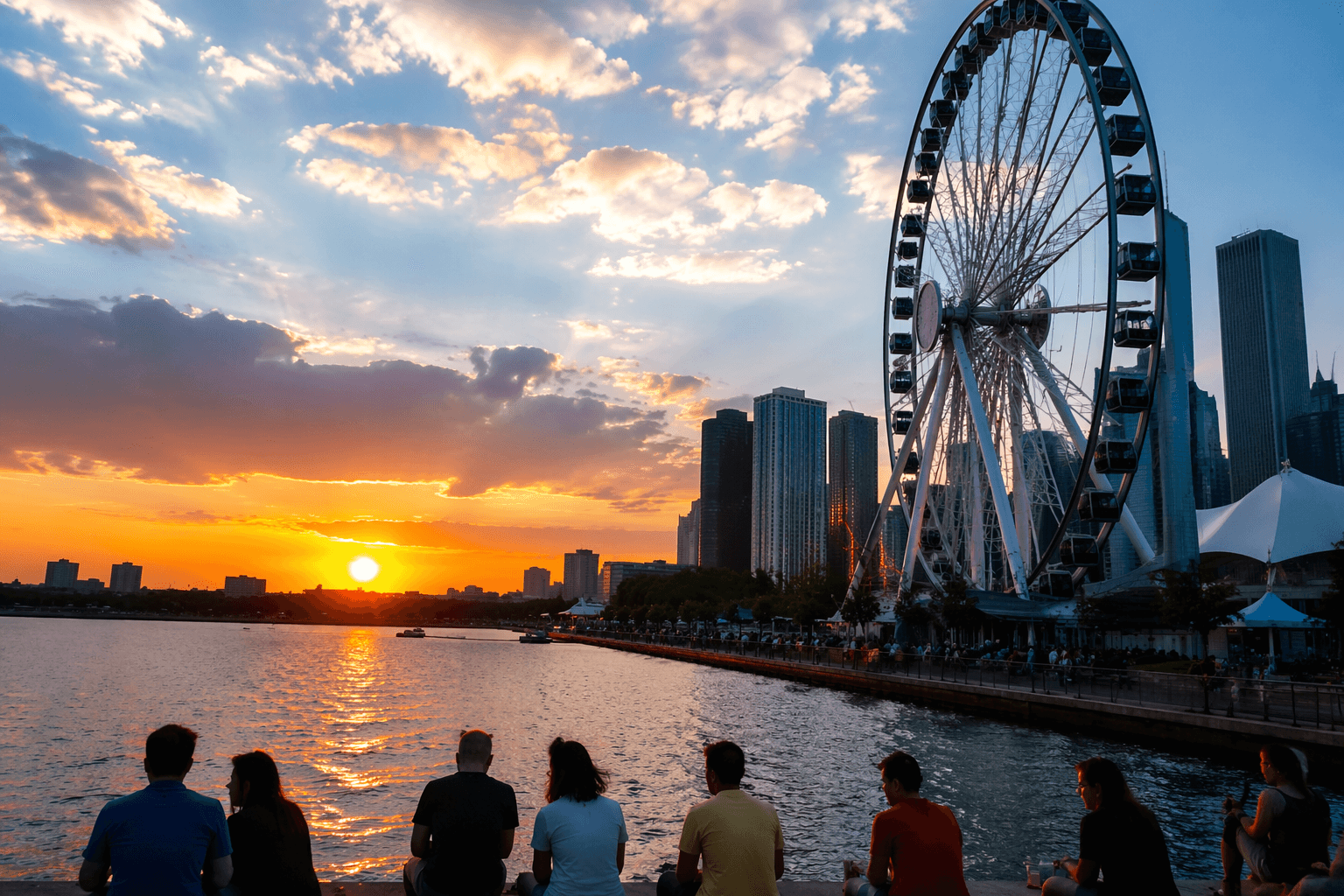
June 21 also marks a milestone in American spectacle and engineering. On June 21, 1893, the first Ferris wheel opened to the public at the World’s Columbian Exposition in Chicago. George Washington Gale Ferris Jr. designed the wheel, which rose about 264 feet and measured 250 feet in diameter. It carried 36 cars, each capable of holding 60 people, making the ride both a technical feat and a public attraction on a scale the country had not seen before.
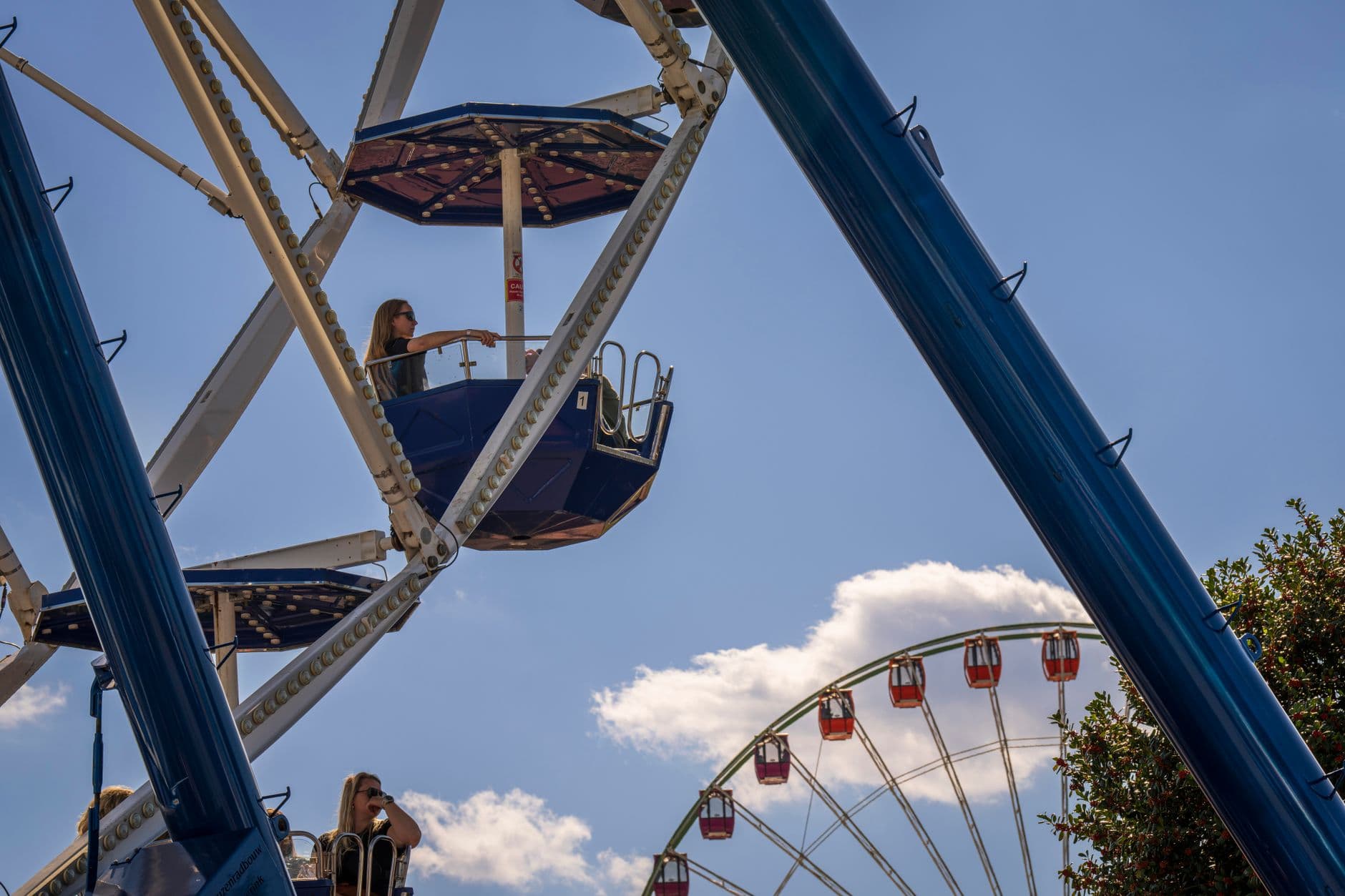
The wheel quickly became one of the fair’s signature draws, and more than 1 million people rode it before the exposition closed later that year. Its popularity reflected the same instinct that makes the solstice endure as a marker on the calendar: Americans use certain dates to measure more than time. They use them to mark arrival, change, and the moments when a nation recognizes itself in law, in season, and in shared experience.
This article was produced by Prism’s automated news system from verified source data, official records, and press releases, then run through automated quality and moderation checks before publishing. The system is built and supervised by the people who set the standards it runs under. Read our full AI policy.
Know something we missed? Have a correction or additional information?
Submit a Tip