WHO confirms Ebola Bundibugyo outbreak in Congo, 80 suspected deaths
Ebola Bundibugyo spread for weeks before Congo identified it, and WHO said 80 community deaths were already suspected.
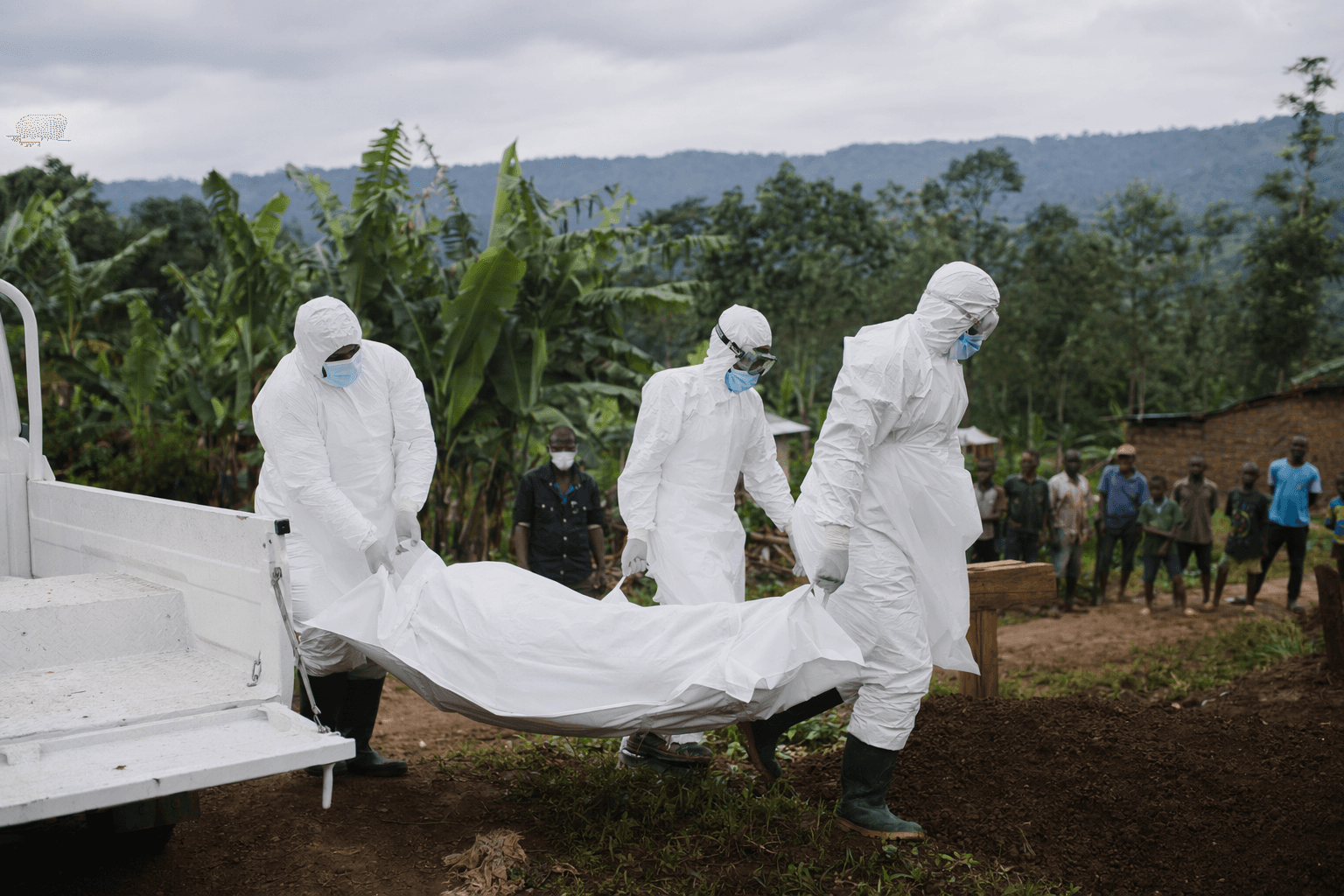
Ebola circulated for weeks in northeastern Congo before labs identified the strain, leaving health officials to chase an outbreak WHO said had already caused 80 suspected community deaths in Ituri province.
Laboratory analysis by the National Institute of Biomedical Research in Kinshasa confirmed Ebola Bundibugyo in 8 of 13 samples from patients linked to severe illness and deaths in Mongbwalu and Rwampara health zones. WHO said the Democratic Republic of the Congo had now recorded its 17th Ebola outbreak since the virus was first identified there in 1976. Bundibugyo, first identified in western Uganda in 2007, had previously caused 131 cases and 42 deaths there.
The timeline points to a serious surveillance failure. The first known suspected case, a health worker in Bunia, fell ill and died around April 24 to 27, a close contact died on April 28, and field tests on April 30 were negative for the Ebola type most commonly seen in Congo. WHO was not alerted until May 5 about a high-mortality outbreak of an unknown illness in Mongbwalu. Jean Kaseya said the first case developed symptoms on April 24, implying roughly four weeks of undetected spread.
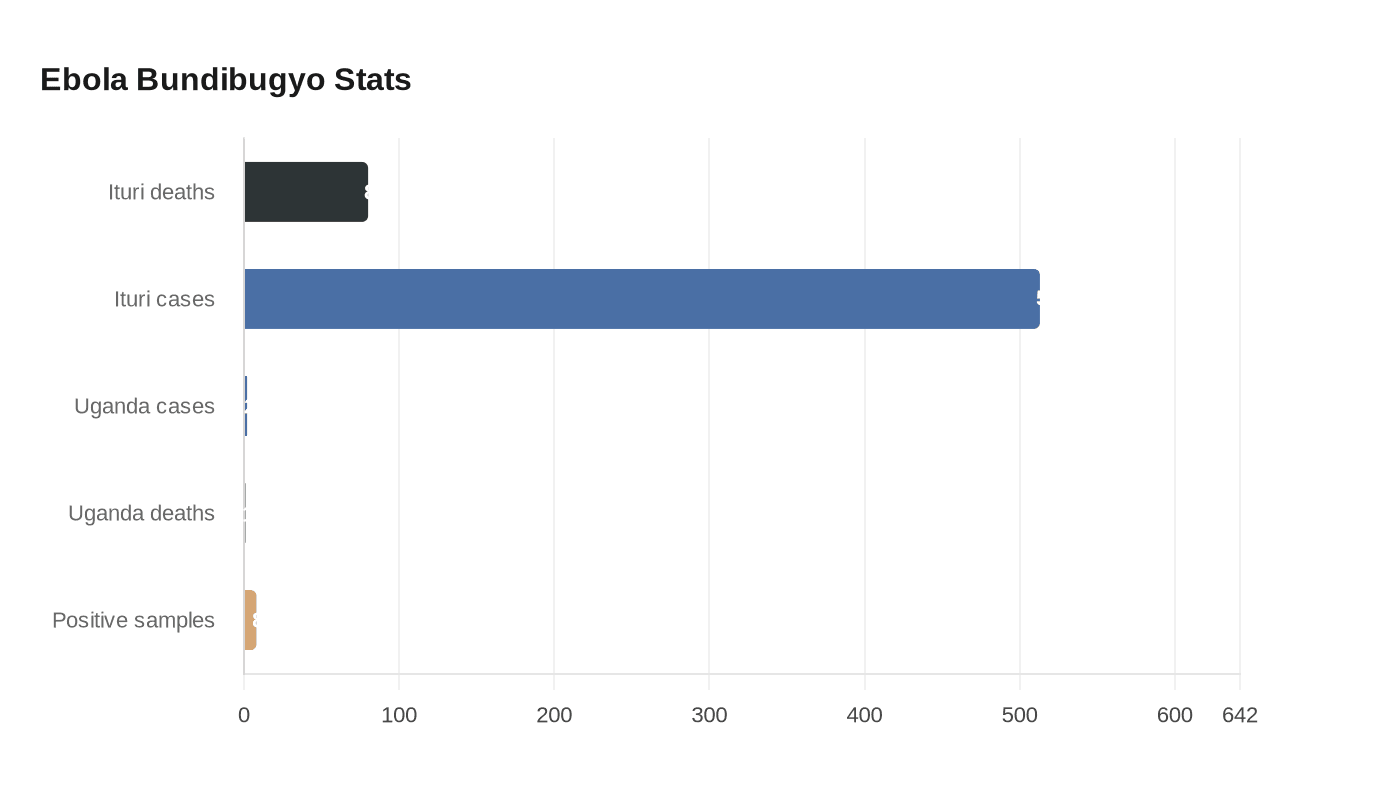
By May 17, Tedros Adhanom Ghebreyesus had declared the outbreak a public health emergency of international concern, citing the scale and speed of the epidemic. By May 18 to 19, reported totals had risen to at least 513 suspected cases and 131 suspected deaths across nine health zones in Ituri, with two cases and one death in Uganda. The outbreak widened further after a Congolese man fell ill near the border and died in Kampala on May 14.
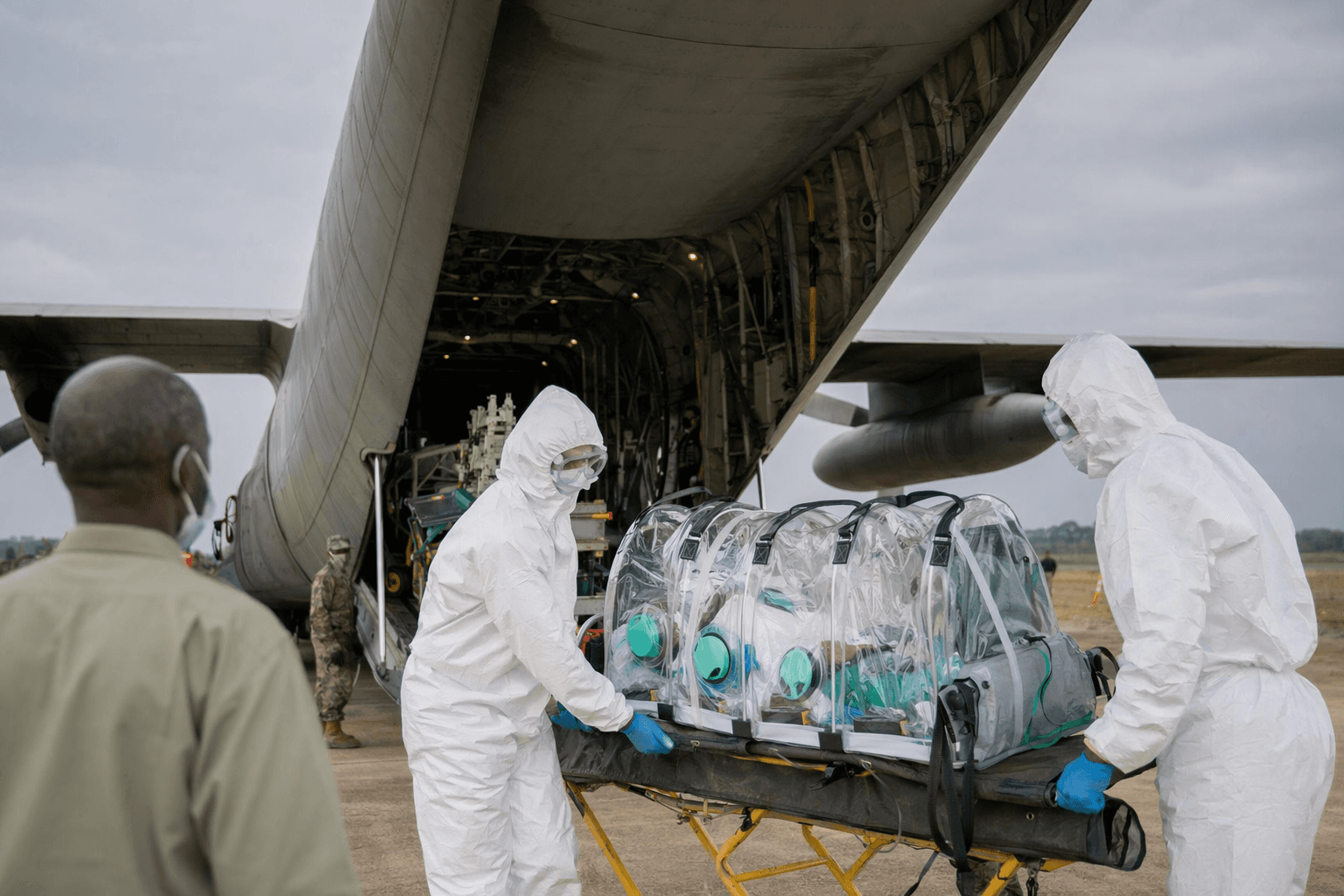
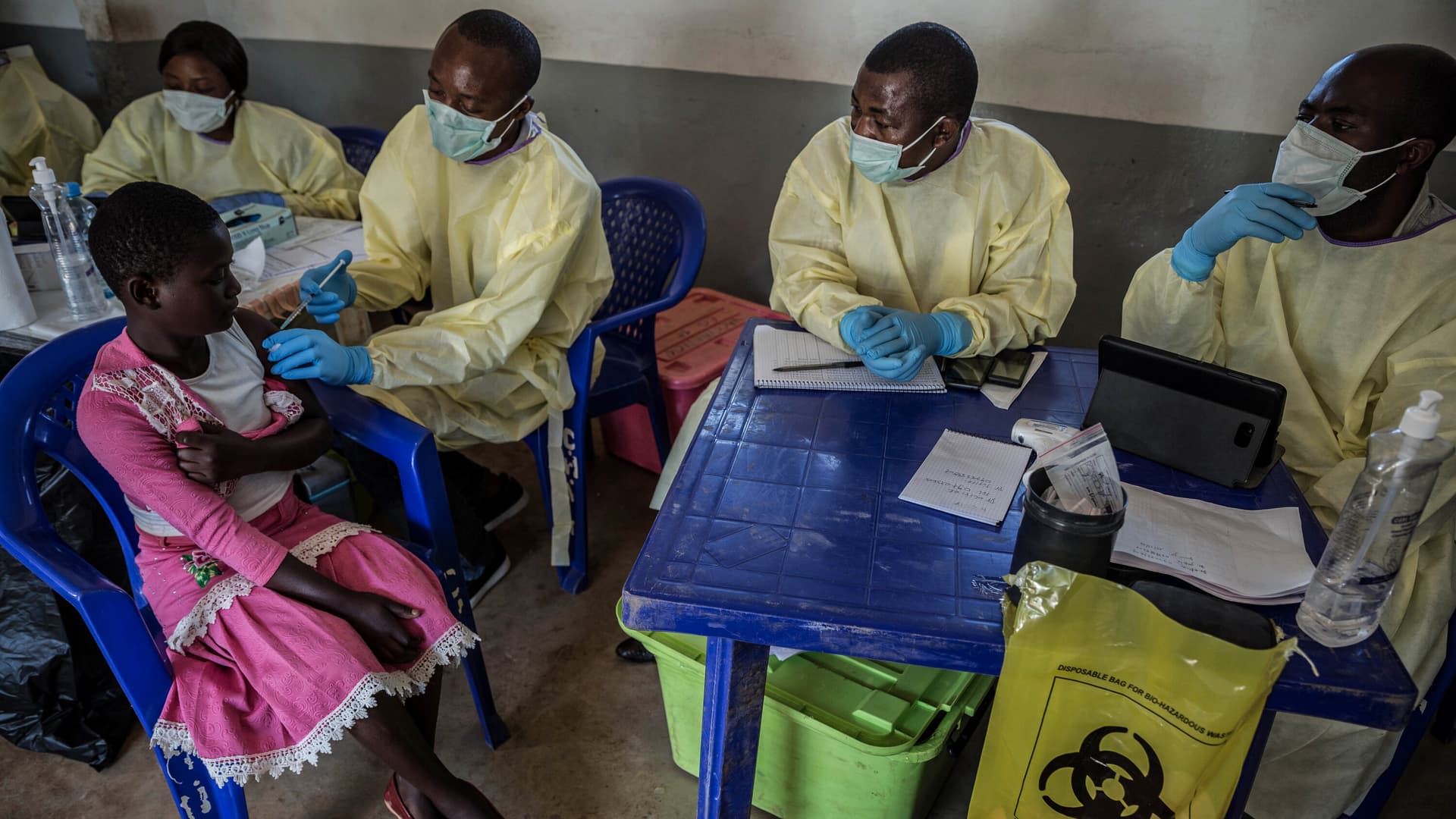
The strain is especially troubling because Bundibugyo has no approved vaccine or treatment. WHO said it was mobilizing epidemiologists, infection-prevention experts, laboratory specialists, clinicians, logistics staff, risk-communication teams and community-engagement workers, while Congolese authorities activated emergency coordination mechanisms and sent in additional rapid response teams. An American medical missionary in eastern Congo tested positive, and six other Americans were being evacuated to Germany for treatment or monitoring. The Centers for Disease Control and Prevention said the U.S. risk remained low and no U.S. cases had been confirmed. In conflict-hit, hard-to-reach eastern Congo, the delay between the first symptoms and recognition may prove as damaging as the virus itself.
Know something we missed? Have a correction or additional information?
Submit a Tip