WHO flags Congo Ebola outbreak, rare strain spreads in conflict zone
A rare Ebola strain in eastern Congo has crossed into Uganda, and WHO says conflict, mobility and no approved vaccine are slowing containment.
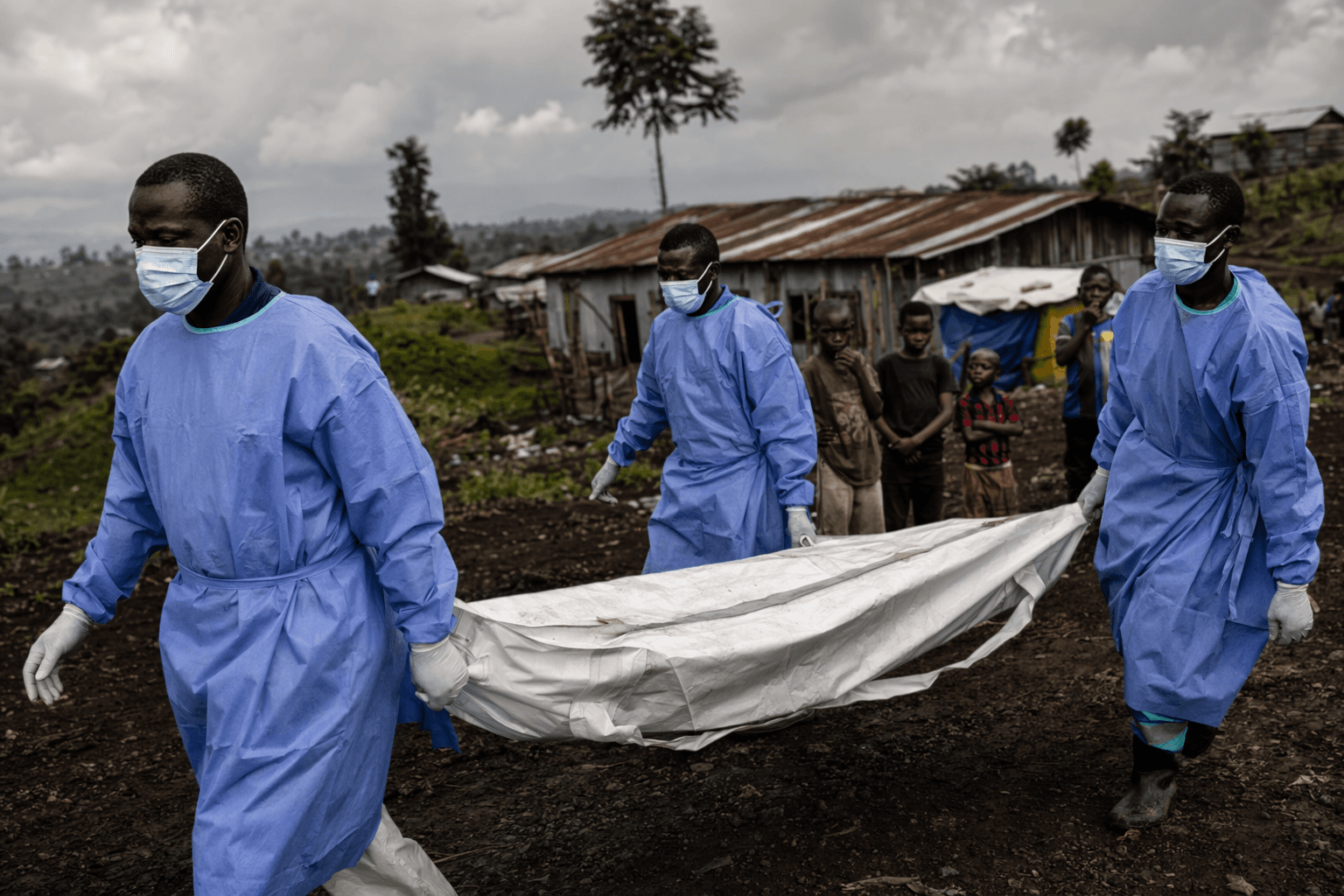
A rare Ebola strain has surfaced in eastern Congo’s Ituri Province, where conflict, displacement and a dense web of informal care are making containment far harder than in a typical outbreak. The World Health Organization confirmed Ebola Bundibugyo virus disease in health zones including Rwampara, Mongwalu and Bunia, and Uganda later confirmed an imported case linked to a Congolese man who died in Kampala.
The alarm began on 5 May, when WHO received a signal of suspected cases and sent a team to Ituri to help investigate. Field tests initially missed the virus because the first assays did not detect Bundibugyo, but laboratory work at the Institut National de Recherche Biomédicale in Kinshasa confirmed the infection on 14 and 15 May. The Democratic Republic of the Congo’s health ministry formally declared the country’s 17th Ebola outbreak on 15 May.
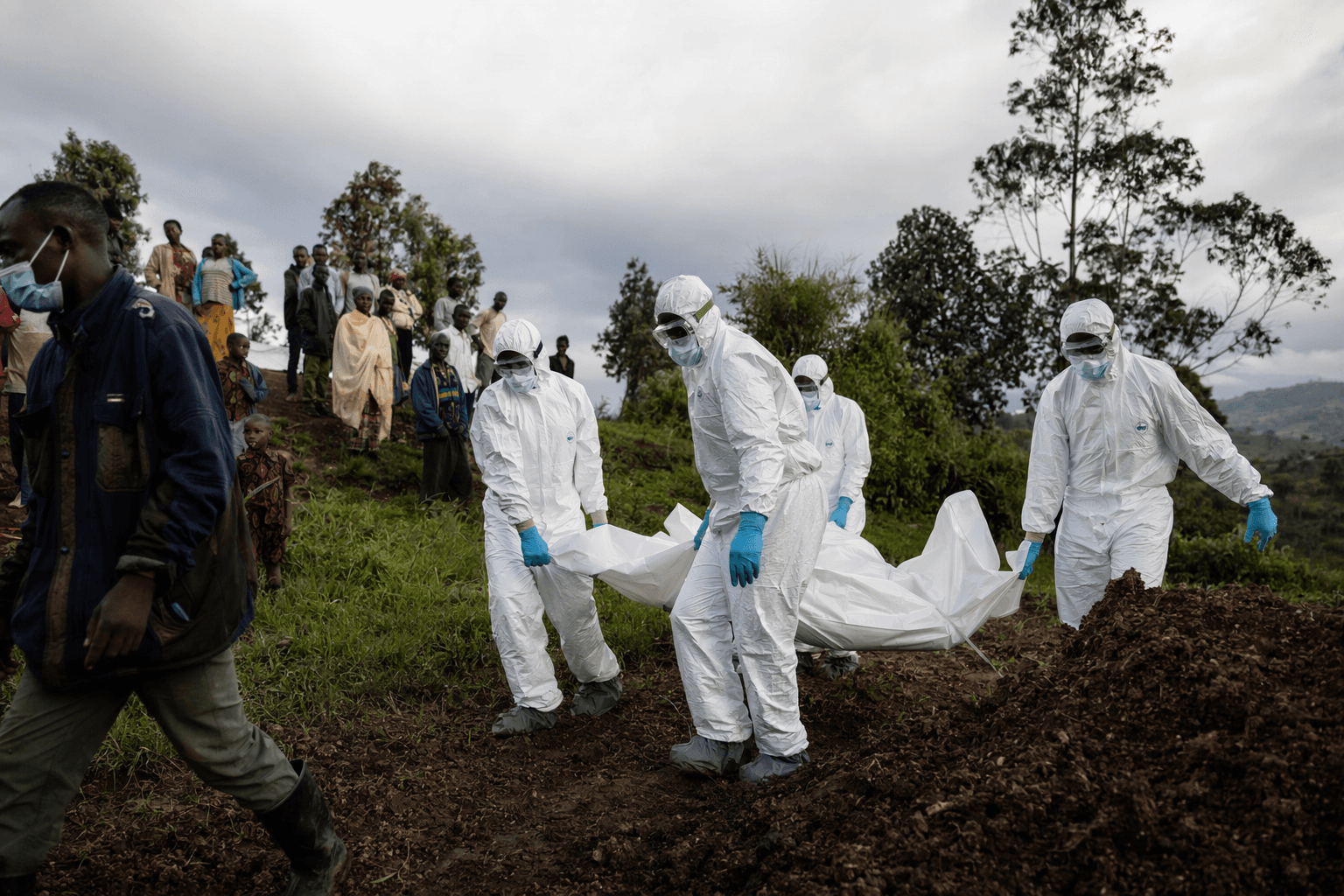
The strain itself complicates the response. Unlike the better-known Zaire species, Bundibugyo virus has no licensed vaccine or specific therapeutic, according to WHO, and the U.S. Centers for Disease Control and Prevention says there are no FDA-approved vaccines or therapeutics for it. Early supportive care can save lives, but that still leaves investigators dependent on fast detection, contact tracing and safe treatment, all of which are harder to deliver in a province where armed violence and population movement are constant obstacles.
WHO said insecurity, a humanitarian crisis, high population mobility, the semi-urban nature of the hotspot and a large network of informal health facilities are all increasing the risk of spread. Those same conditions can scatter contacts across multiple communities and across borders before health workers can reach them, a pattern that echoed the 2018 to 2019 Ebola epidemic in North Kivu and Ituri. Africa Centres for Disease Control and Prevention said the outbreak had already produced hundreds of suspected cases and dozens of deaths in conflict-affected eastern Congo near border areas.
On 17 May, WHO declared the outbreak a Public Health Emergency of International Concern, citing rising cases, cross-border spread and uncertainty over the true scale of the epidemic. WHO says Bundibugyo outbreaks have historically carried case fatality rates of roughly 30% to 50%, underscoring the stakes as Congo confronts yet another Ebola outbreak in a region already strained by displacement and violence.
Know something we missed? Have a correction or additional information?
Submit a Tip