WHO Launches Stand With Science Campaign on World Health Day 2026
The WHO's yearlong Stand With Science campaign launched on World Health Day as U.S. trust in childhood vaccine guidance fell 11 points in just nine months.
The World Health Organization marked its 78th founding anniversary by calling on governments, scientists, and the public to defend evidence-based medicine in one of the most corrosive information environments modern public health has faced. The urgency was not rhetorical.
Under the theme "Together for health. Stand with science," World Health Day 2026 launched a year-long campaign celebrating the power of scientific collaboration to protect the health of people, animals, plants, and the planet, with a strong focus on the One Health approach. The campaign's two anchor events took place in Lyon, France: the International One Health Summit, hosted by the Government of France under its G7 Presidency, and the inaugural Global Forum of WHO Collaborating Centres. The Forum convened representatives from over 800 academic and research institutions from more than 80 countries, forming what WHO described as the largest scientific network ever convened around a United Nations agency.
The scale was deliberate. The campaign marks the anniversary of WHO's founding on April 7, 1948, and points to a century of scientific progress: the global maternal mortality rate has fallen by more than 40% since 2000, and deaths among children under five have been reduced by over 50%. Over the past 50 years, global immunization efforts saved more than 154 million children from infectious diseases. Vaccines contributed to a 40% reduction in infant mortality, with just the measles vaccine saving over 90 million children.
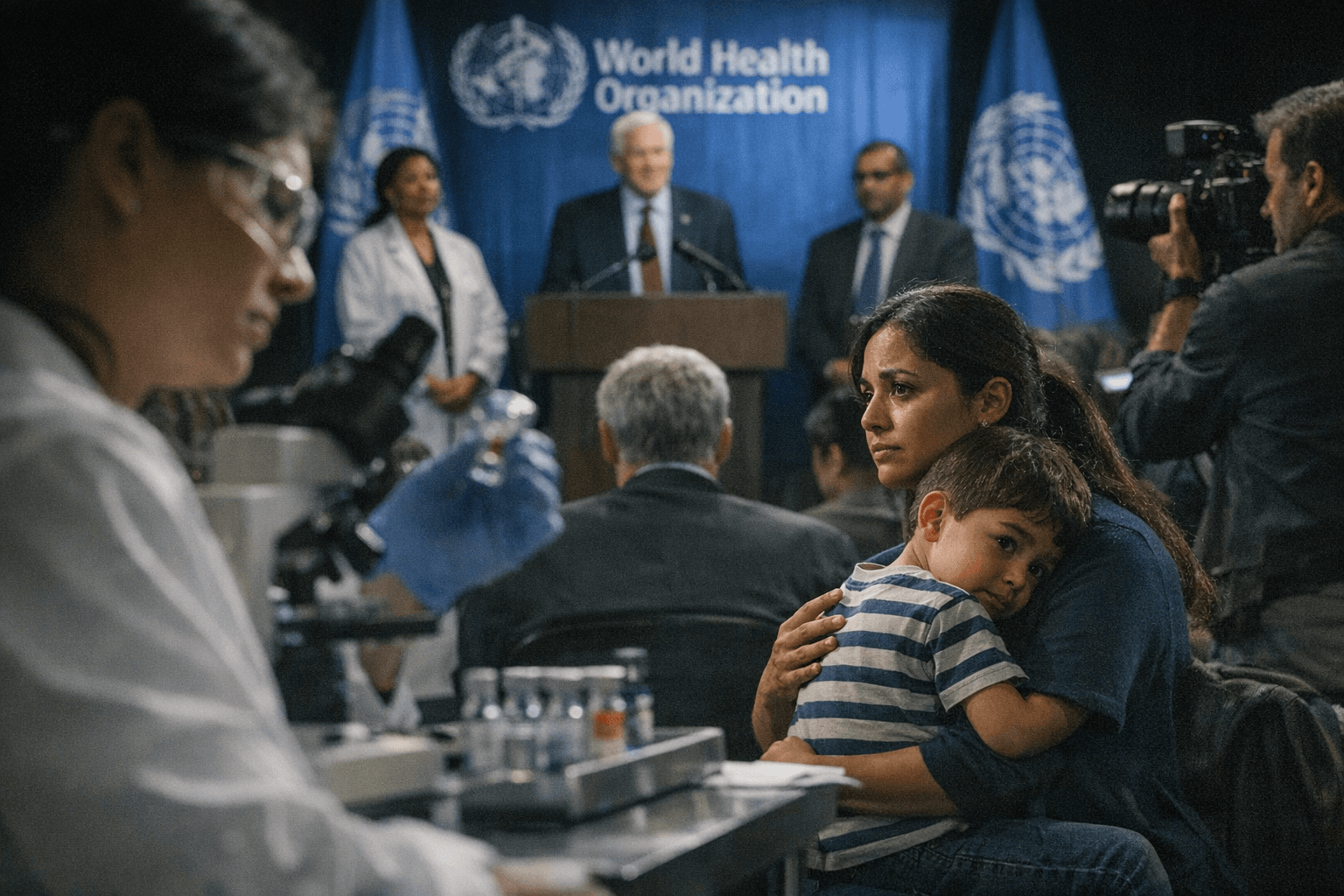
Those gains, WHO argued, are what eroding trust puts at risk. Dr. Sylvie Briand, WHO Chief Scientist, framed the stakes directly: "Science transforms uncertainty into understanding and reveals the pathways to protect and heal our communities. Without the clarity of rigorous scientific inquiry, we risk being led by bias and misconception, and too often toward treatments that fail us or even place us in harm's way."
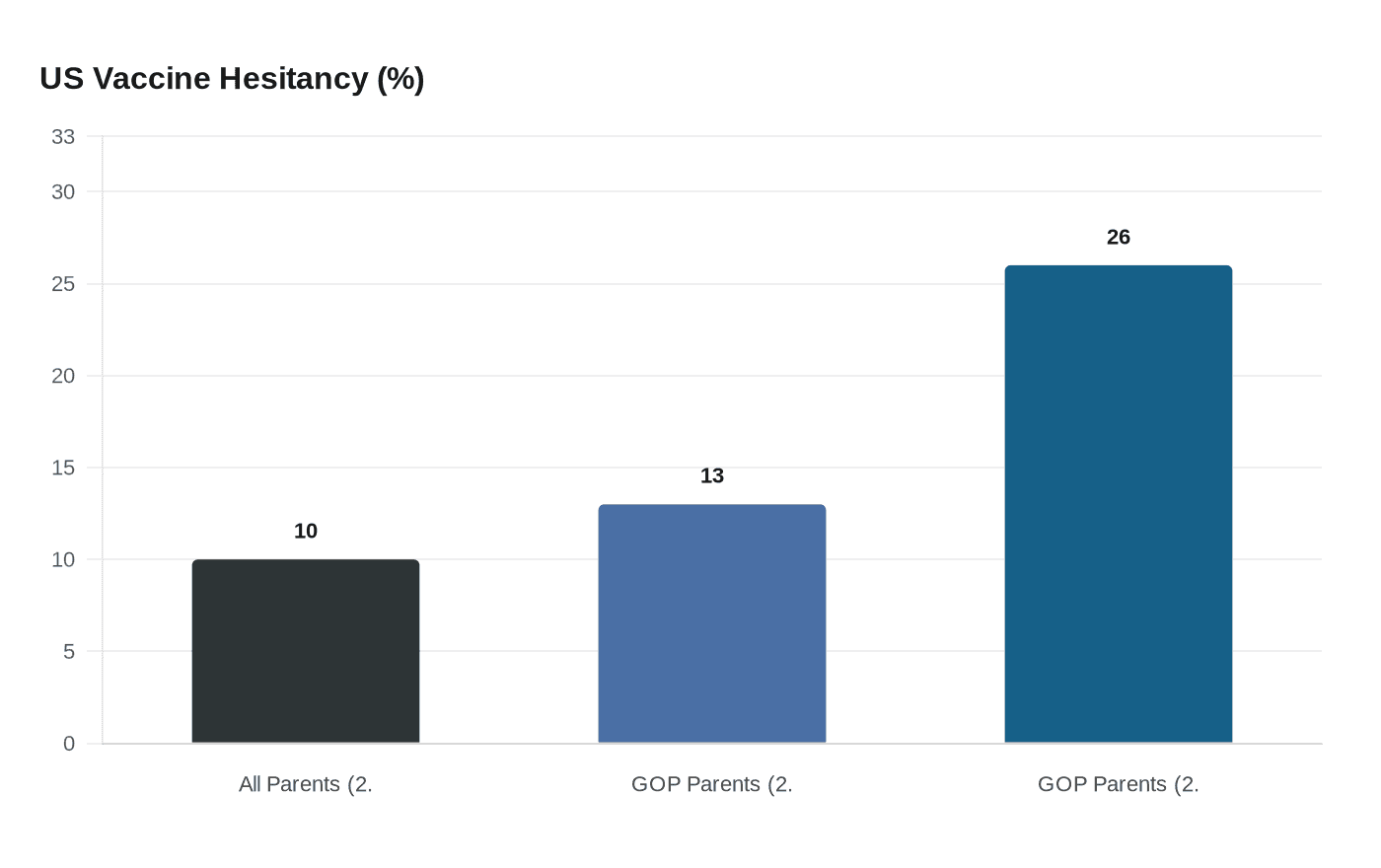
For an American audience, the warning has measurable weight. From June 2025 to March 2026, public trust in federal childhood vaccine recommendations dropped 11 points, from 71% to 60%, with only 8% of those polled saying they trust the Centers for Disease Control and Prevention. About one in six parents now report delaying or skipping some shots, up from 10% in 2023, and among Republican parents the shift is sharper still: 26% now skip or delay vaccines, up from 13% in 2023.
Although the U.S. officially left the WHO in January, American scientists continue to collaborate with international researchers on flu surveillance and other critical work, underscoring that scientific partnership has outlasted the political rupture even as the institutional relationship frays.
The campaign's stated goals include improved pandemic preparedness, stronger disease surveillance, and equitable access to medical advances. Governments and institutions are called to strengthen investment in science, support WHO's normative role, and embed evidence in health, climate, food, and environmental decision-making. Public-health observers noted that the campaign's real accountability test begins after the Lyon summits close: whether it produces measurable improvements in science literacy infrastructure, transparent risk communication, and community-level trust, or whether #StandWithScience fades into the crowded catalog of well-intentioned slogans. The 11-point polling drop in nine months suggests the window to answer that question is narrower than any hashtag implies.
This article was produced by Prism’s automated news system from verified source data, official records, and press releases, then run through automated quality and moderation checks before publishing. The system is built and supervised by the people who set the standards it runs under. Read our full AI policy.
Did this article answer your question?


