FDA Recalls Millions of Eye Drop Bottles Over Contamination Concerns at Major Retailers
K.C. Pharmaceuticals' second sterility failure since 2023 has pulled 3.1 million eye drop bottles from CVS, Walgreens, Kroger and a dozen other chains nationwide.
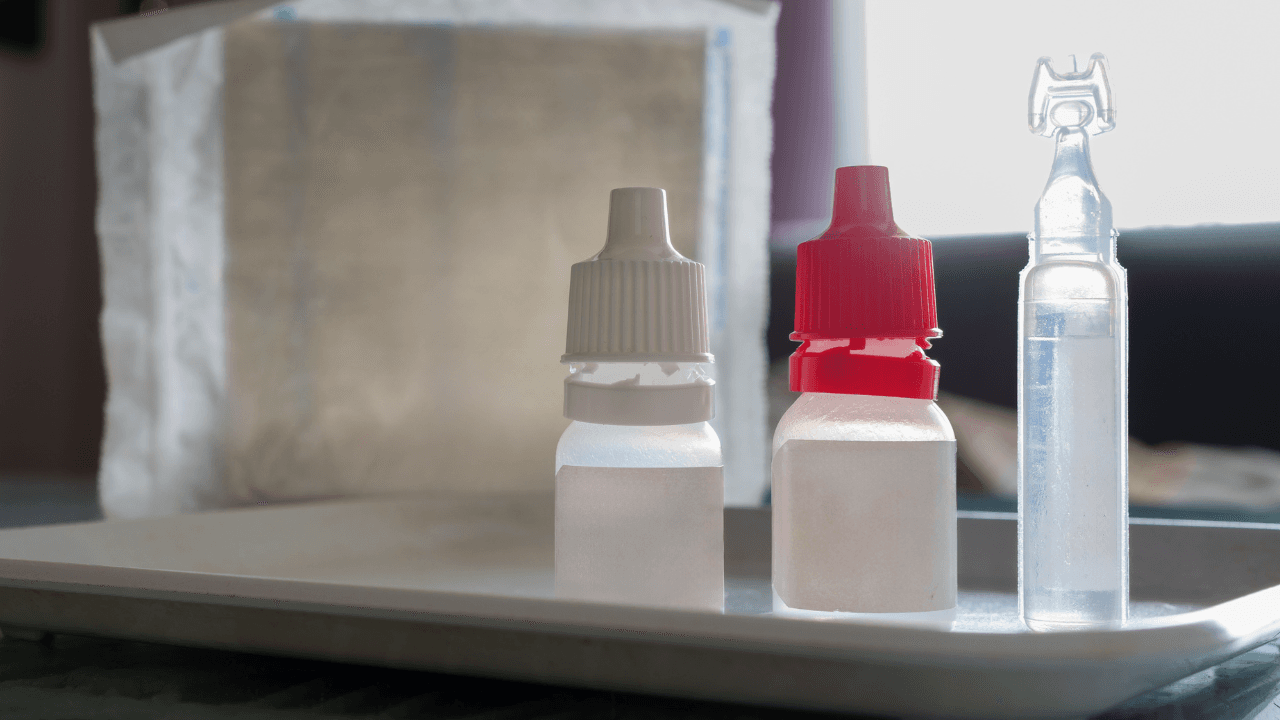
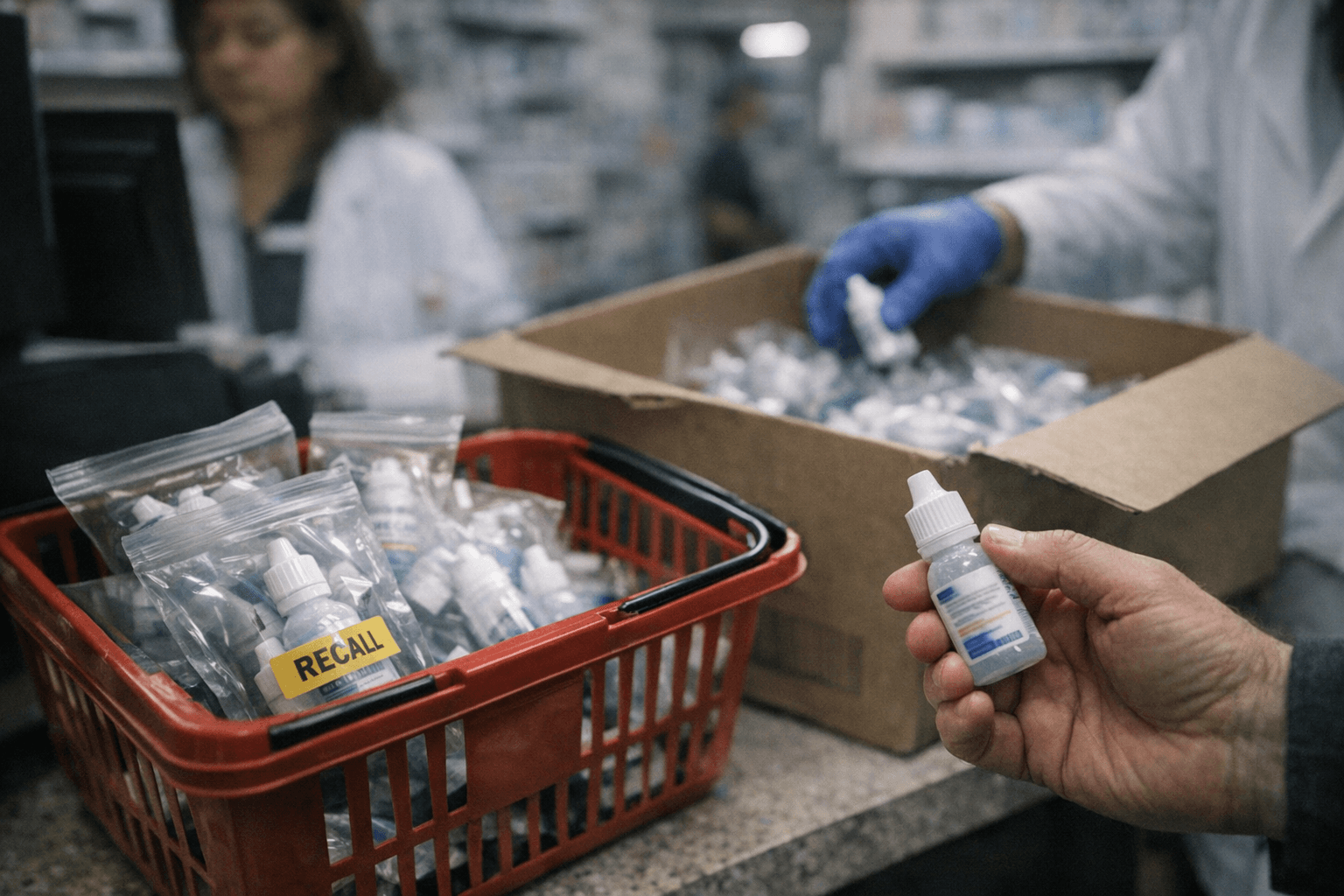
More than 3.1 million bottles of over-the-counter eye drops are being pulled from shelves at CVS, Walgreens, Kroger, Rite Aid, H-E-B, Harris Teeter, Publix, Dollar General, Circle K and Discount Drug Mart after the Food and Drug Administration cited a "lack of assurance of sterility" from their single common manufacturer: K.C. Pharmaceuticals, Inc., a private-label producer based in Pomona, California.
The voluntary recall, which K.C. Pharmaceuticals initiated on March 3, covers exactly 3,111,072 bottles across eight product lines. The FDA formally designated it a Class II recall on March 31, a classification the agency applies when a product may cause temporary or medically reversible harm and the probability of serious consequences is considered remote. As of early April, no infections tied to the recalled batches had been reported.
The affected products circulate under more than a dozen store-brand names: Best Choice, Top Care, Good Sense, Quality Choice, Rugby, Leader, Good Neighbor Pharmacy, Valu Merchandisers, Geri-Care, and the house brands of CVS, Walgreens and Kroger, among others. Product lines include Dry Eye Relief Eye Drops, Sterile Eye Drops, Advanced Relief Eye Drops, Artificial Tears Sterile Lubricant Eye Drops, Ultra Lubricating Eye Drops and Soothing Tears. The largest single affected lot, more than 1 million bottles of Dry Eye Relief Eye Drops, was sold at Rite Aid, H-E-B and Harris Teeter. Recalled bottles carry expiration dates ranging from April 30 through October 31, 2026.
To identify an affected bottle, check the label near the barcode for a lot code printed vertically, formatted like "LOT: LT24E01." A full list of lot numbers and corresponding UPC codes is posted on the FDA's enforcement database. Consumers who purchased any of the named products since April 2025 are urged to compare their bottle against that list. Refunds are available at point of purchase; CVS noted its four implicated products had already been removed from its shelves roughly a year before the recall was formally issued.
Anyone who used a recalled product and develops redness, unusual discharge, eye pain, changes in vision, eyelid swelling or persistent irritation should contact an eye care professional or emergency services promptly. The risk is not uniform: contact-lens wearers, patients who have undergone prior eye surgery, and immunocompromised individuals face elevated danger because bacterial contamination in eye drops bypasses the eye's natural defenses and the immune system struggles to clear infections once they take hold inside the eyeball.
The recall carries a particular weight given the history of the Pomona facility. This is the second time since 2023 that the FDA has identified sterility problems at K.C. Pharmaceuticals. Following the earlier incident, the agency inspected the plant and issued a formal warning letter, citing the manufacturer's failure to establish and follow written procedures designed to prevent microbiological contamination. The FDA asked the company to immediately revise its protocols and bring in outside experts. That the current recall encompasses more than three million bottles across eight product lines suggests those interventions did not fully address the underlying quality-control deficiencies before additional batches were manufactured and distributed.
The episode sharpens a longer-running debate about FDA inspection authority over domestic sterile-product manufacturers and about the structural vulnerabilities of private-label supply chains, where a single contract facility can simultaneously supply the house-brand products of a dozen major retailers. Health-system pharmacy officials have pointed to the need for more rigorous environmental monitoring and redundancy in sterility assurance programs. For the FDA, the question is whether voluntary recall procedures and post-inspection warning letters are sufficient deterrents when a manufacturer's output touches millions of consumers through so many retail channels at once.
This article was produced by Prism’s automated news system from verified source data, official records, and press releases, then run through automated quality and moderation checks before publishing. The system is built and supervised by the people who set the standards it runs under. Read our full AI policy.
Did this article answer your question?