WHO Marks World TB Day With Urgent Call to End Global Tuberculosis Crisis
TB kills 4,100 people every day, yet India just screened 20 crore people and detected 32.65 lakh cases — here's where the global fight stands.
In 2024, an estimated 10.7 million individuals fell ill with TB, and 1.23 million lost their lives to the disease — and on March 24, the World Health Organization used World TB Day to push governments worldwide to stop treating those numbers as inevitable.
The theme of World TB Day 2026, "Yes! We can end TB!," is a bold call to action and a message of hope, affirming that it is possible to get back on track and turn the tide on the TB epidemic, even in a challenging global environment. WHO renewed its calls for countries to step up leadership, funding, and community engagement to accelerate progress, framing the moment as both urgent and achievable.
The numbers behind that urgency are stark. One person dies every six minutes from TB, and many TB-affected households continue to face catastrophic health expenditures. Investing in TB is not just a health measure; it is a strategic political and economic decision. The evidence is clear: every dollar invested in TB generates up to USD 43 in economic and health returns.
Drug resistance compounds the threat. Drug-resistant TB remains a serious challenge, with an estimated 150,000 MDR/RR-TB cases each year in the WHO South-East Asia region alone. The Pan American Health Organization warned that "the emergence of drug-resistant TB poses a major health threat that could put at risk the gains made to end the global TB epidemic."
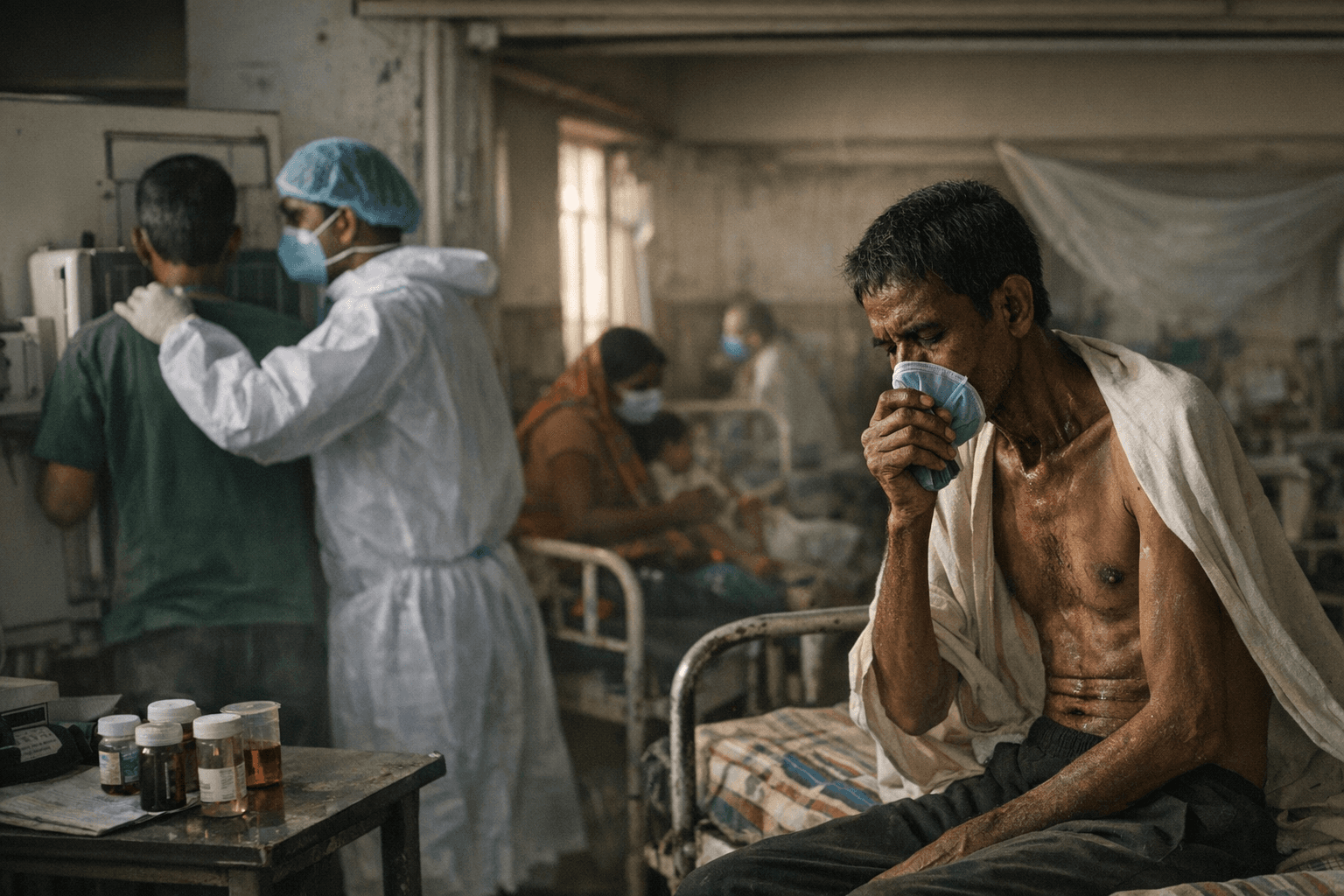
The day itself carries deep historical weight. With decisive country leadership, increased domestic and international investment, rapid uptake of new WHO recommendations and innovations, accelerated action, and strong multisectoral collaboration, ending TB is not just aspirational — it is achievable, WHO said. That confidence traces back to March 24, 1882, when Dr. Robert Koch announced to a small group of scientists at the University of Berlin's Institute of Hygiene that he had discovered the cause of tuberculosis — an announcement that, in Paul Ehrlich's words, "marked a turning-point in the story of a virulent human infectious disease." At the time, TB was killing one in every seven people across Europe and the Americas.
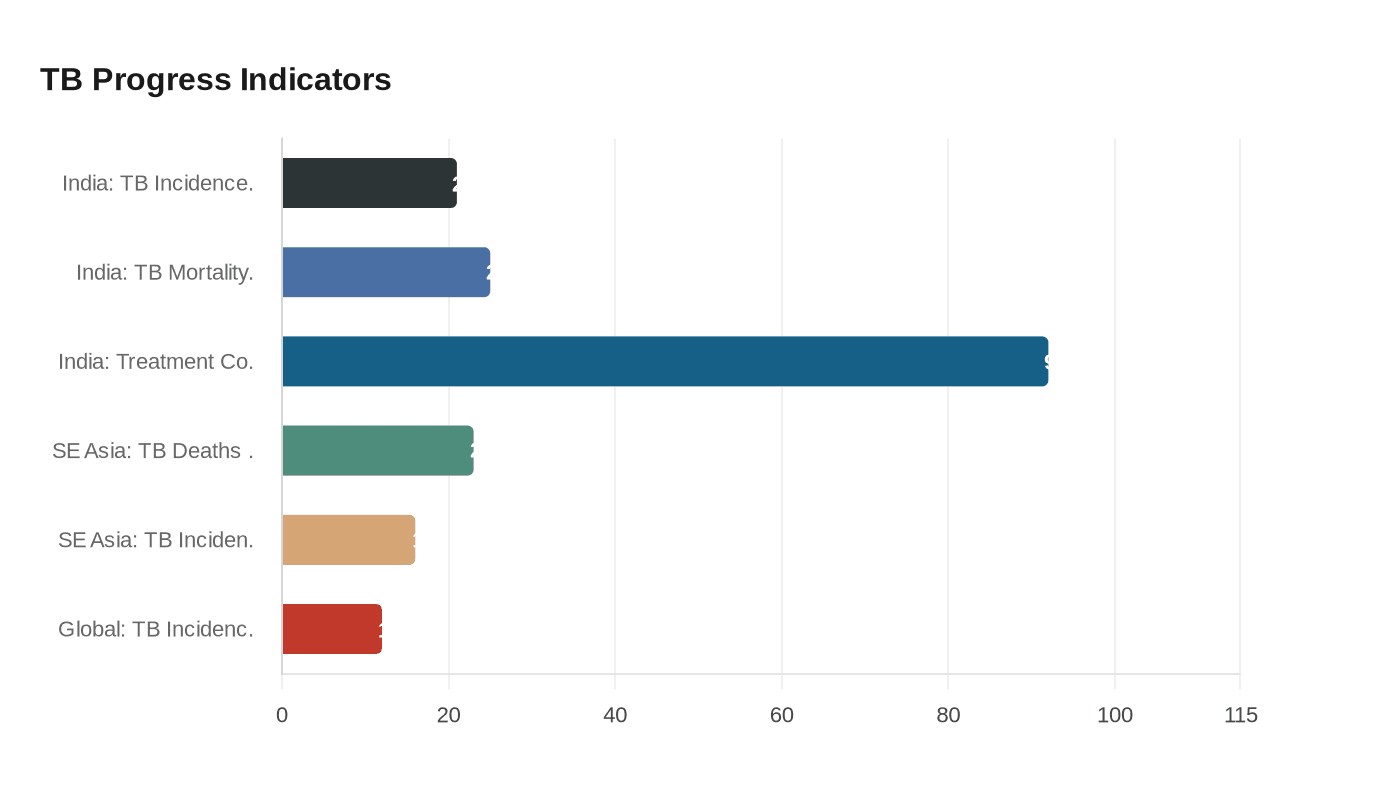
In India, the world's highest TB-burden country, World TB Day 2026 moved well beyond commemoration. Union Health Minister Jagat Prakash Nadda presided over a national-level event on March 24 at Gautam Buddha University in Greater Noida, Uttar Pradesh. In his remarks, Nadda described World TB Day 2026 as both a moment of reflection and a renewed call to action in India's journey towards a TB-Mukt Bharat. He highlighted that India has achieved a 21% reduction in TB incidence and a 25% decline in TB mortality over the past decade, both outpacing global averages. Treatment coverage has reached 92%, while undetected cases have sharply declined from over 10 lakh annually to less than one lakh.
Since the commencement of the campaign in December 2024, over 20 crore vulnerable individuals have been screened, leading to the detection of 32.65 lakh TB patients across the country. This included nearly 10.9 lakh asymptomatic patients who exhibited no classical symptoms at the time of testing — a figure that illustrates why India shifted toward symptom-agnostic screening.
Nadda launched the focused and intensified 100-day TB Mukt Bharat campaign, a decisive mission-mode push to accelerate progress towards TB elimination. The campaign will cover 1.58 lakh villages and urban wards, each guided by granular, locally tailored micro-plans. He also launched the TB Mukt Bharat App and the TB Mukt Urban Ward Initiative.
On the treatment side, Nadda noted that the BPaLM regimen for drug-resistant TB has reduced treatment duration from 20 months to six months, significantly improving adherence and outcomes.
Since 2015, South-East Asia as a whole has achieved a 23% reduction in TB deaths and a 16% decline in TB incidence, outpacing the global average decline of 12%. Yet the region remains off track to meet the End TB milestones, a gap WHO says can only be closed through the kind of country-led, community-powered commitment on display in Greater Noida on March 24.
Know something we missed? Have a correction or additional information?
Submit a Tip