WHO probes possible person-to-person hantavirus spread aboard cruise ship
Three deaths and seven cases have put the MV Hondius under WHO scrutiny as two sick passengers are flown out and Spain prepares an investigation.
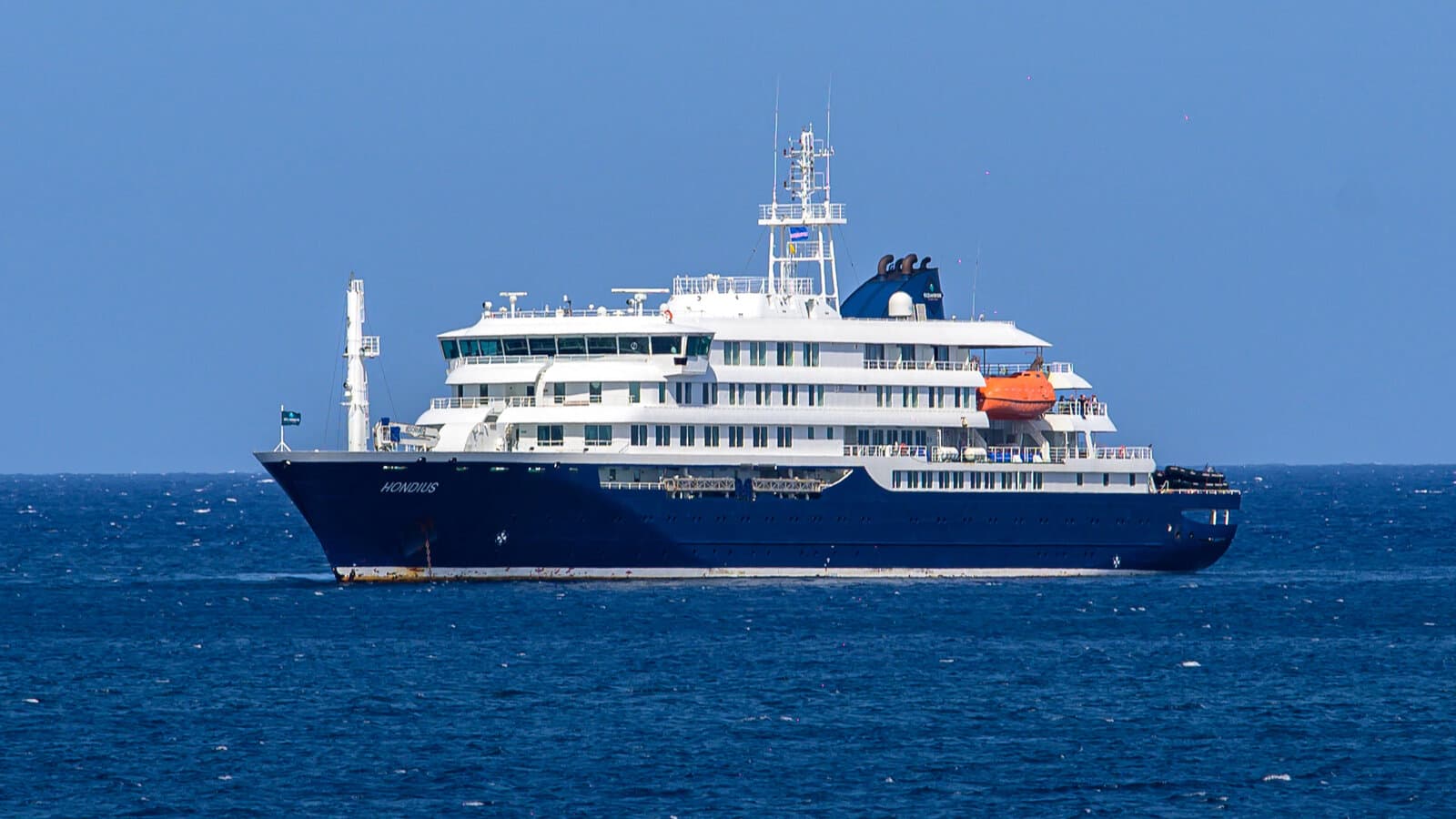
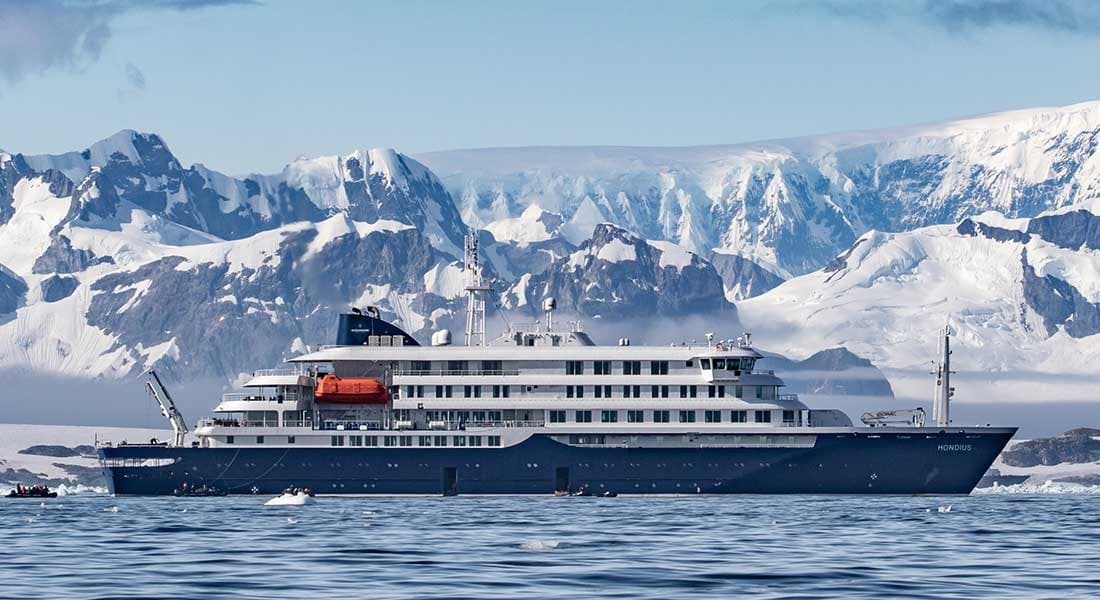
The World Health Organization is probing whether hantavirus spread beyond the usual rodent exposure aboard the Dutch-flagged cruise ship MV Hondius, after seven cases, three deaths and one critically ill patient triggered a cross-border response. Two symptomatic passengers were being medically evacuated as health officials raced to isolate cases, trace contacts, test samples and sequence the virus.
The ship carried 147 people in total, 88 passengers and 59 crew members, when it left Ushuaia, Argentina, on April 1 and moved across the South Atlantic on an itinerary that included Antarctica, South Georgia, Nightingale Island, Tristan da Cunha, Saint Helena and Ascension Island. WHO said illness onset among the identified cases fell between April 6 and April 28, with symptoms ranging from fever and gastrointestinal illness to rapid progression to pneumonia, acute respiratory distress syndrome and shock.
WHO said the global risk to the public remained low, but it was investigating the possibility of limited human-to-human transmission, something it said is uncommon but has been reported before with Andes virus, a hantavirus species. The agency said hantavirus infections are usually linked to infected rodents and are not easily transmitted between people. Worldwide, WHO said there are at least 10,000 and perhaps more than 100,000 hantavirus infections each year, most of them in Asia and Europe.
Spain agreed to receive the ship for a full epidemiological investigation and disinfection after Cape Verde refused permission for it to dock because of public health concerns, leaving the vessel held off the coast near Praia. The decision underscored how quickly a suspected infectious-disease cluster on a cruise can become a test of ports, border officials and maritime public health systems.
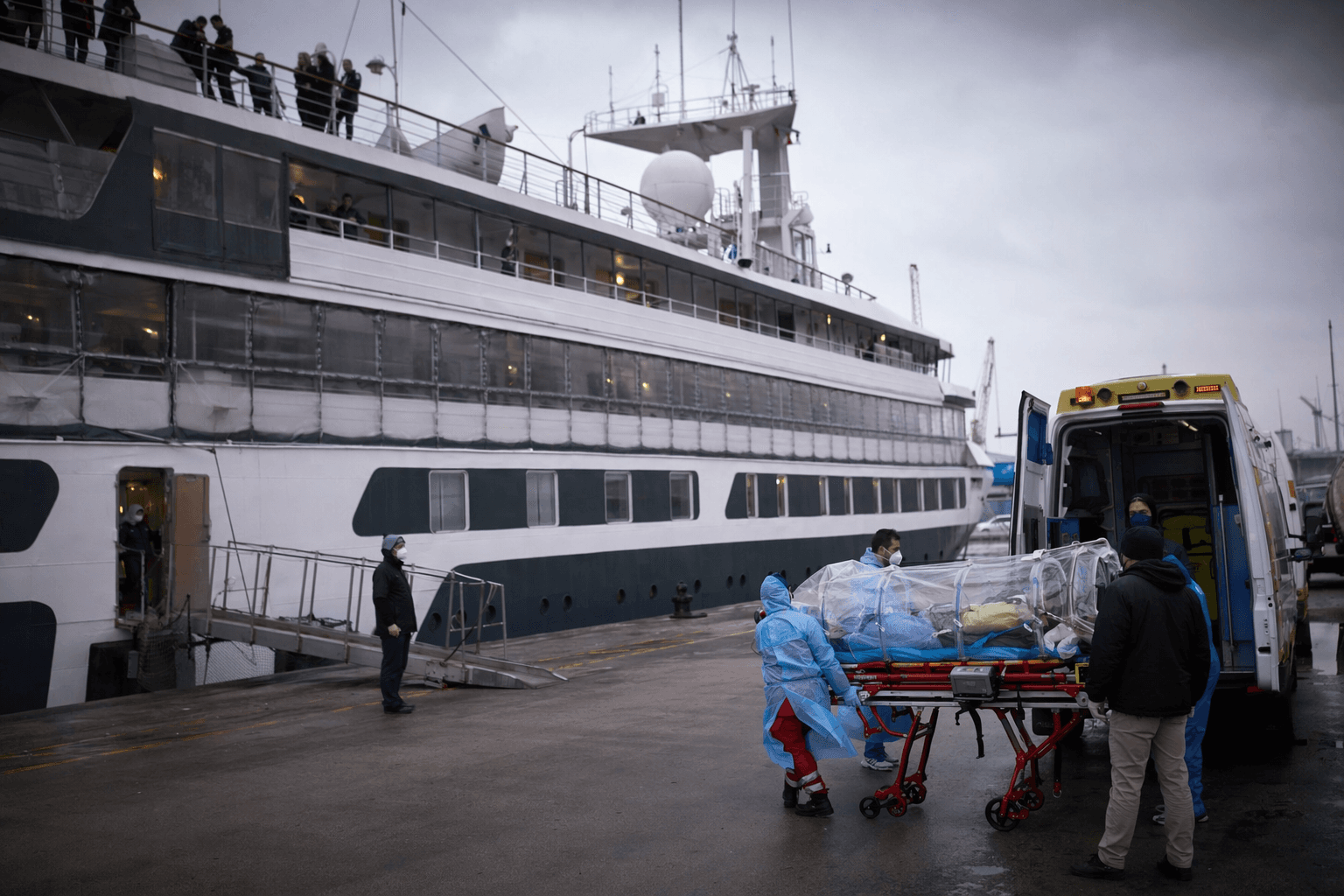
WHO is also tracing contacts from an earlier disembarkation and flight involving a 69-year-old Dutch woman who got off the ship on April 24 with gastrointestinal symptoms, deteriorated during a flight to Johannesburg and died two days later. Her husband had died onboard about two weeks earlier, and WHO said contact tracing for passengers on the flight had been initiated.
UN officials have stressed there is no need for panic or travel restrictions at this stage, describing the episode as serious but contained. The challenge now is to determine whether the ship was the scene of a rare chain of human transmission or a cluster of severe illness that was detected only after passengers crossed several borders.
Know something we missed? Have a correction or additional information?
Submit a Tip