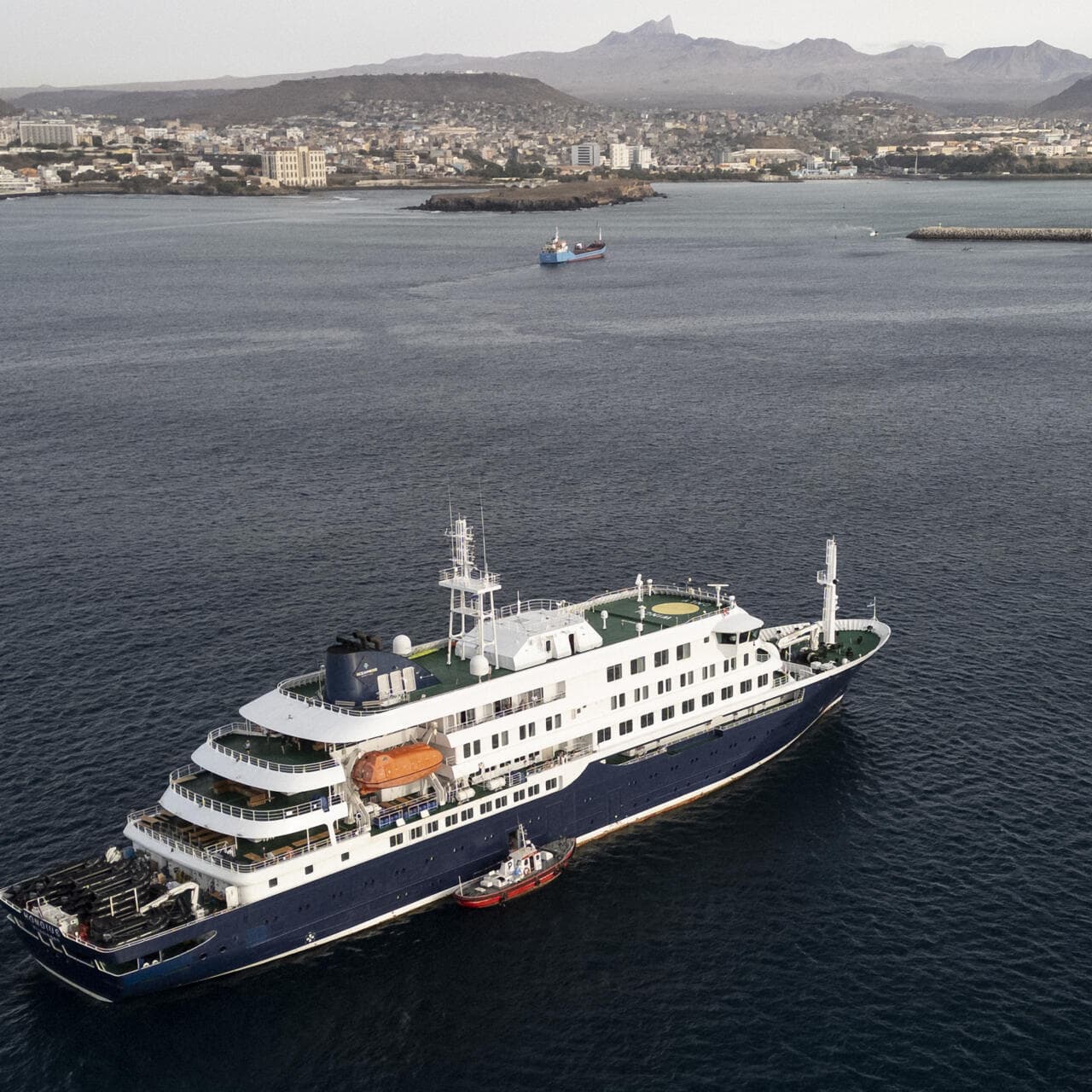
WHO reassures Tenerife, says hantavirus risk remains low aboard ship
WHO told Tenerife the hantavirus risk remained low as Spain prepared a tightly controlled passenger transfer from the MV Hondius.
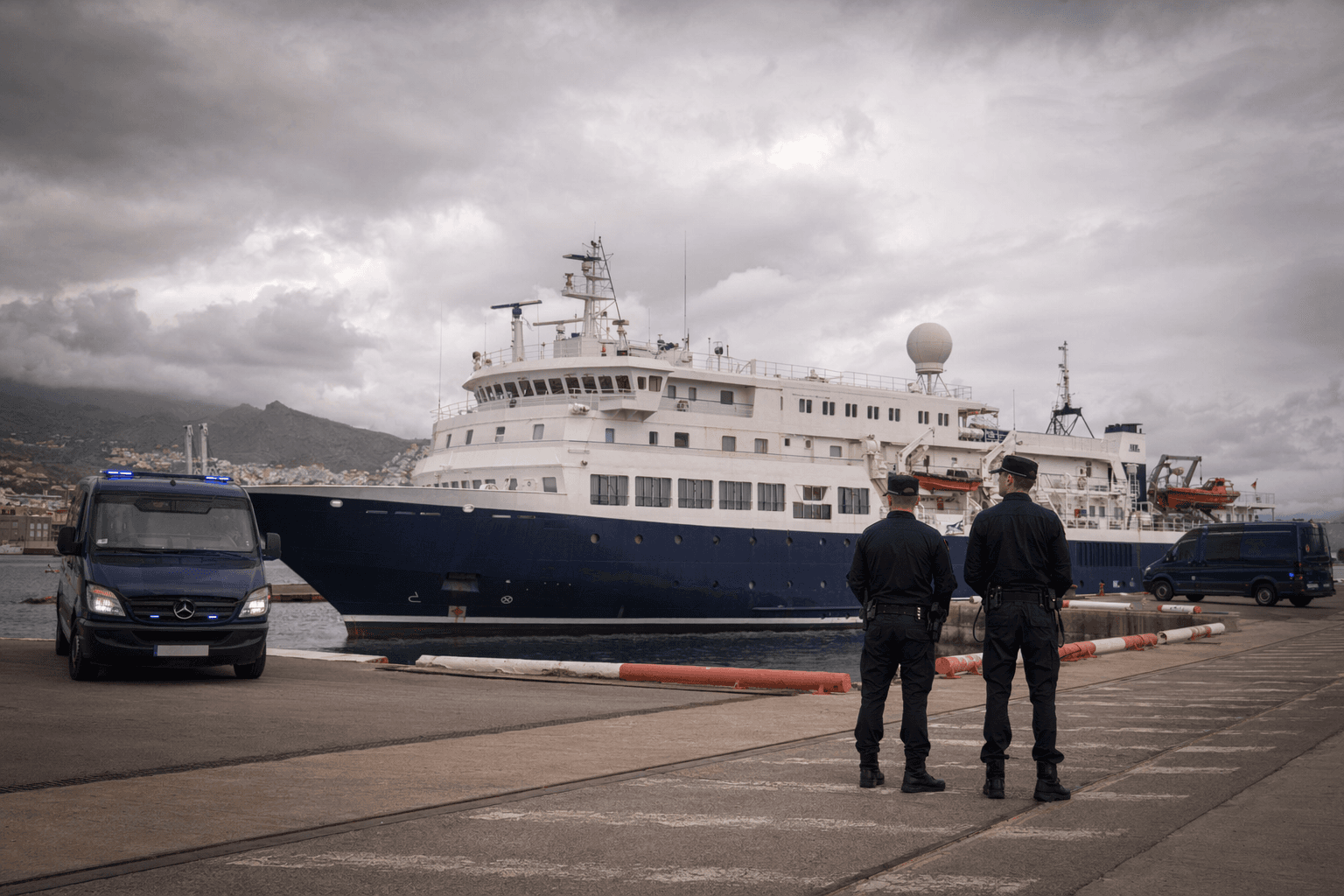
The World Health Organization moved to steady Tenerife’s nerves as the MV Hondius approached the island, with Director-General Tedros Adhanom Ghebreyesus addressing residents directly because, he said, the situation warranted it. He said, “this is not another COVID,” and stressed that the public health risk from hantavirus remained low even as three people had died and nearly 150 passengers and crew faced a tightly managed transfer ashore.
Tedros’ message was aimed at more than infection control. It was an attempt to answer the fear spreading through Tenerife after news that the ship carried the Andes strain of hantavirus and was headed for the industrial port of Granadilla. WHO said Spain would move passengers ashore in sealed guarded vehicles along a cordoned-off corridor, then repatriate them directly to their home countries. Tedros also thanked Prime Minister Pedro Sánchez for agreeing to receive the vessel, calling the decision an act of solidarity and moral duty under the International Health Regulations.
What remains known is limited but stark. WHO’s 4 May update said there were seven cases aboard the ship, including two laboratory-confirmed infections, five suspected cases and three deaths. A later WHO update on 8 May raised the total to eight cases, with six confirmed infections and three deaths. Illness onset was reported between 6 and 28 April 2026, and health officials said the long incubation period explains why the outbreak unfolded over weeks rather than days.
What remains unclear is how the virus spread. WHO said the working hypothesis is that the first two cases were infected before the cruise began. Scientists are still trying to determine whether later infections came through person-to-person spread or whether rodents on board played any role. WHO also said this was the first suspected hantavirus transmission on a cruise ship, turning the Hondius into an unusually fraught test of maritime outbreak control.
Spanish officials described the operation as unprecedented, while Canary Islands president Fernando Clavijo publicly opposed the docking plan and demanded an urgent meeting with Sánchez. Mónica García said passengers would only disembark once flights were already waiting. Outside Spain, the European Centre for Disease Prevention and Control said the risk to Europe was very low, and the Centers for Disease Control and Prevention said the risk to the American public remained extremely low while U.S. officials focused on getting exposed passengers home safely.
Know something we missed? Have a correction or additional information?
Submit a Tip