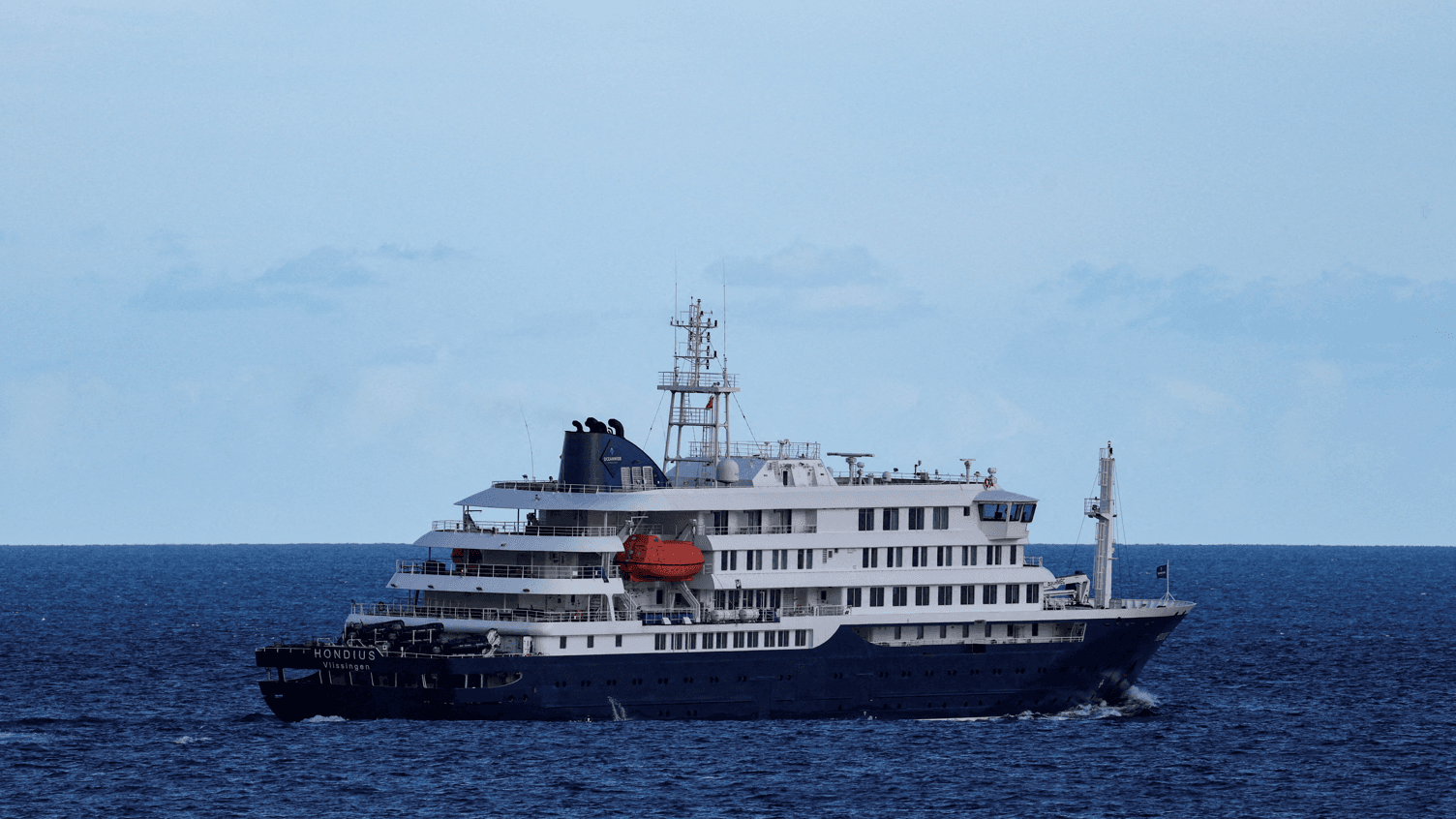
European states race to evacuate citizens from hantavirus-hit cruise ship
Spain moved to take in the stranded Hondius as Europe and the U.S. tracked citizens exposed to an Andes virus outbreak that has already killed three people.
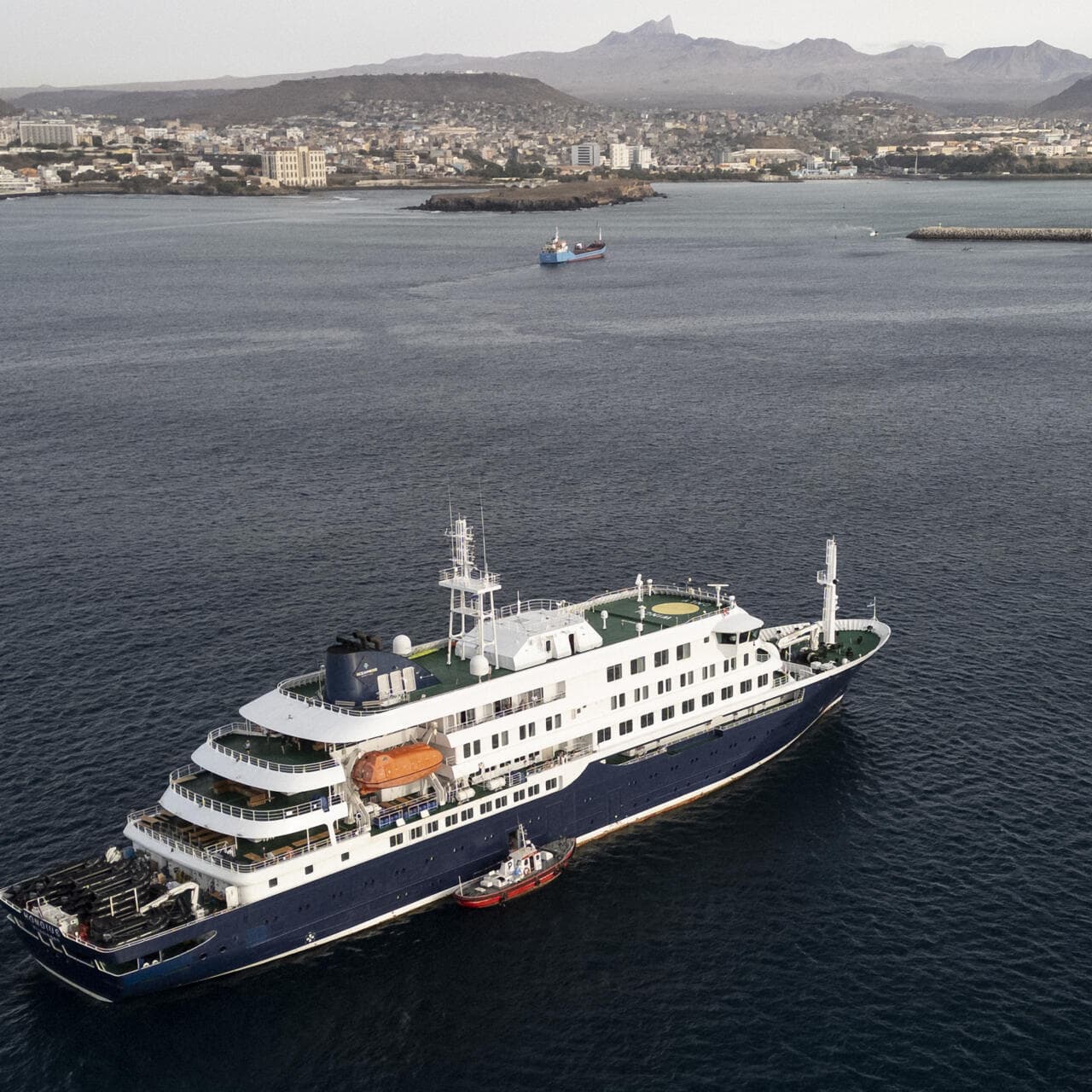
Governments across Europe and North America moved to pull citizens off the MV Hondius after hantavirus cases emerged aboard the Dutch-operated cruise ship, turning a maritime outbreak into a cross-border public-health operation. Spain agreed to receive the vessel in the Canary Islands after Cape Verde initially refused permission to dock, and three passengers were medically evacuated to shore as officials tried to keep contact with the public to a minimum.
The World Health Organization said it first received the cluster report on May 2, when the ship was carrying 147 passengers and crew. By May 4, health officials had identified seven cases, including two laboratory-confirmed hantavirus infections and five suspected cases. The outbreak had already caused three deaths, left one patient critically ill and produced three milder illnesses, with symptoms beginning between April 6 and April 28. The clinical picture included fever, gastrointestinal symptoms, pneumonia, acute respiratory distress syndrome and shock.
The response widened quickly as passengers dispersed around the world. NBC News reported that health officials in at least a dozen countries were tracking people who had been on board, and that former passengers were in Arizona, California, Georgia, Texas and Virginia. The Centers for Disease Control and Prevention said the U.S. administration was closely monitoring the situation, the Department of State was leading a coordinated whole-of-government response, and the risk to the American public was extremely low.
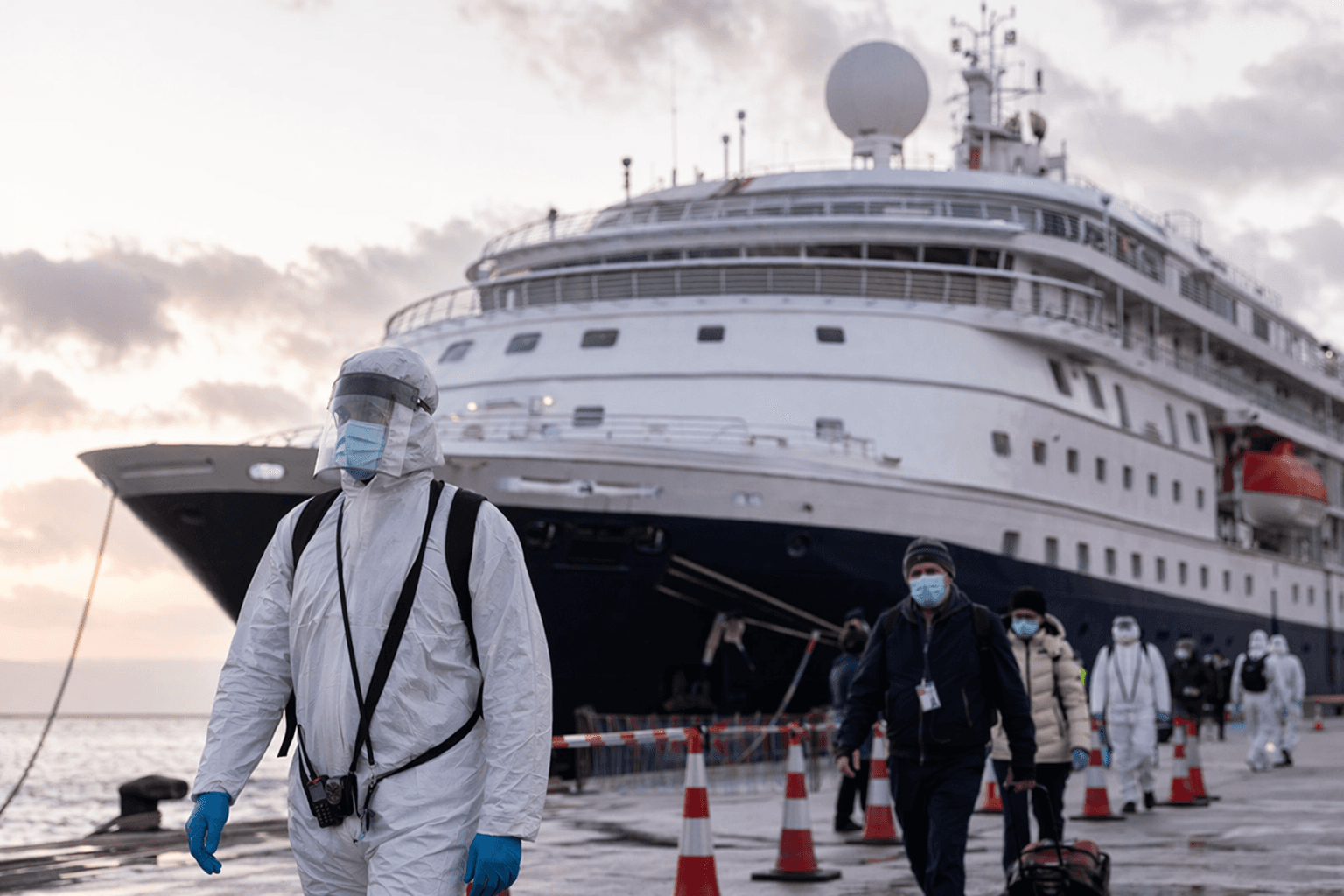
Officials have been especially alert because the strain identified was the Andes virus, a hantavirus type that can spread from person to person. That makes this outbreak far more unsettling than the typical rodent-to-human pattern associated with hantavirus infection. NBC News said the WHO identified the Andes strain in passengers, and that two of the dead were a Dutch couple and the third was a German passenger.
The ship’s route has become a test of international preparedness for illness aboard shared travel corridors. After Cape Verde kept the ship offshore on public-health grounds, Spain reversed course and offered a port in the Canary Islands, where passengers were expected to disembark under medical checks and without public contact. With about 149 or 150 people aboard and roughly 17 Americans among them, the Hondius case has exposed how quickly a single ship can force governments to coordinate flights, quarantine decisions and public messaging across borders, especially when the illness can move with the passengers themselves.
This article was produced by Prism’s automated news system from verified source data, official records, and press releases, then run through automated quality and moderation checks before publishing. The system is built and supervised by the people who set the standards it runs under. Read our full AI policy.
Did this article answer your question?