CDC investigates deadly first-ever hantavirus outbreak on cruise ship
Three people died on the M/V Hondius, but CDC says the rare hantavirus strain involved is unlikely to spread widely in the United States.
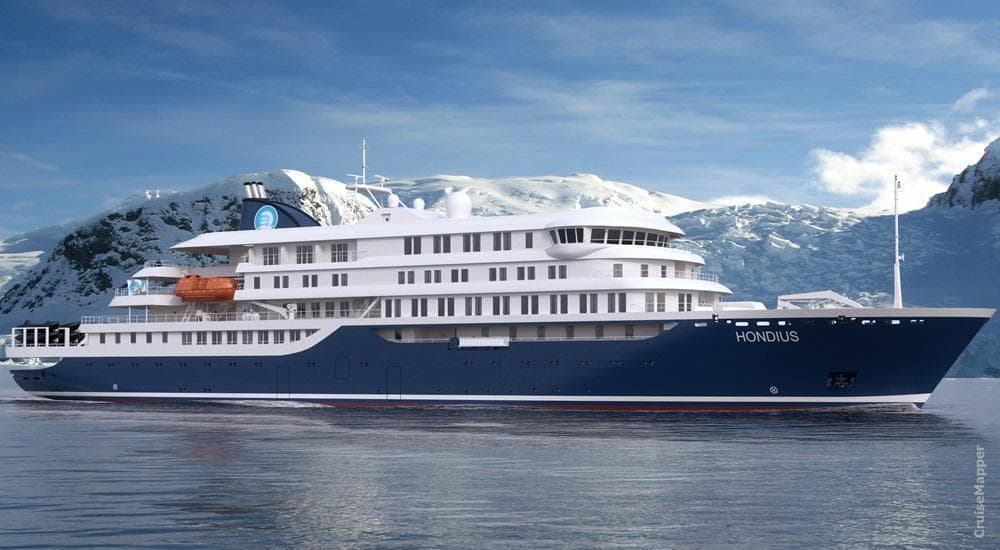
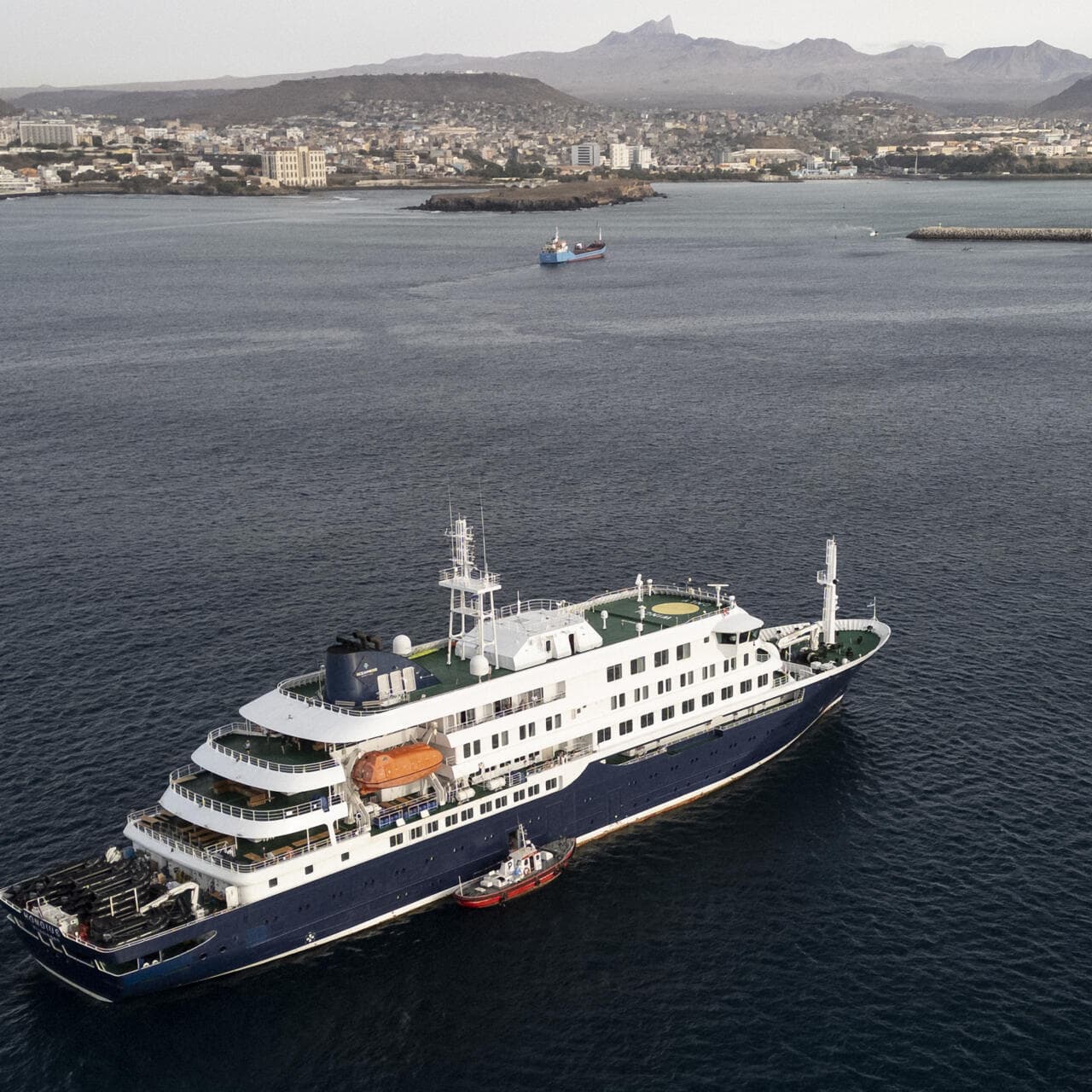
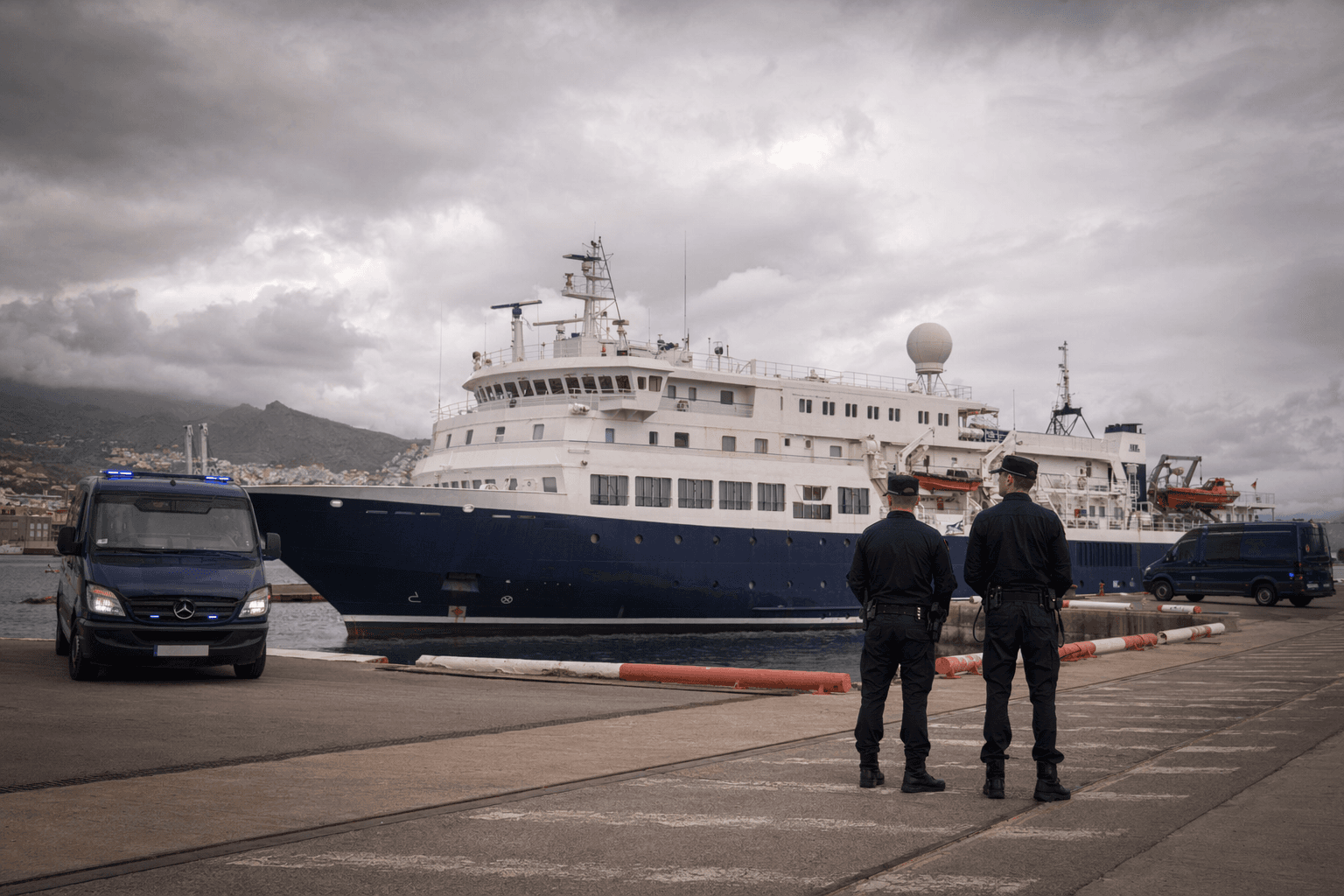
A deadly hantavirus outbreak aboard the M/V Hondius has triggered monitoring across several countries, but federal health officials say the wider public faces little risk. The cruise ship case is the first ever recorded hantavirus outbreak on a cruise ship, and at least eight confirmed or suspected infections have been tied to the vessel, with CBS News reporting three deaths, including an elderly married couple.
The outbreak, reported May 2 on a ship in the Atlantic Ocean, has drawn attention because it involves Andes virus, the hantavirus strain the World Health Organization confirmed in this cluster. It is also the only known hantavirus strain that can spread from person to person, which helps explain why public health investigators are treating this event as unusual. Even so, CDC says broad spread to the United States is considered extremely unlikely at this time.
That distinction matters because hantavirus remains rare in the United States. CDC says 890 cases of hantavirus disease were reported from 1993 through the end of 2023. The illness often begins like flu, with fever, headache, muscle aches, nausea and fatigue, then can progress to coughing and shortness of breath as hantavirus pulmonary syndrome develops. HPS is a severe lung disease that can become fatal, which is why early recognition is critical.
More than 140 people were still aboard the ship, including 17 Americans, according to CBS News, while other reports put the total on board at about 150. Passengers and crew have also been under scrutiny in the Netherlands, the United Kingdom, the United States, Switzerland, South Africa, Spain’s Canary Islands and in Georgia and Arizona, underscoring how quickly a single cruise-ship outbreak can cross borders and complicate follow-up care.

CDC issued a Health Alert Network advisory on May 8 about the multi-country cluster linked to the cruise ship, telling clinicians and health departments to focus on case identification, testing and biosafety guidance. That response reflects the practical challenge of rare infections on international travel routes, where symptoms may first appear far from the source and where rapid coordination can determine whether cases are isolated or missed.
For public health officials, the Hondius outbreak is a reminder that rare does not mean irrelevant. The risk to the general public remains low, but the combination of a cruise ship setting, a potentially person-to-person strain and deaths in multiple passengers has made this a closely watched test of outbreak response across national borders.
Know something we missed? Have a correction or additional information?
Submit a Tip